
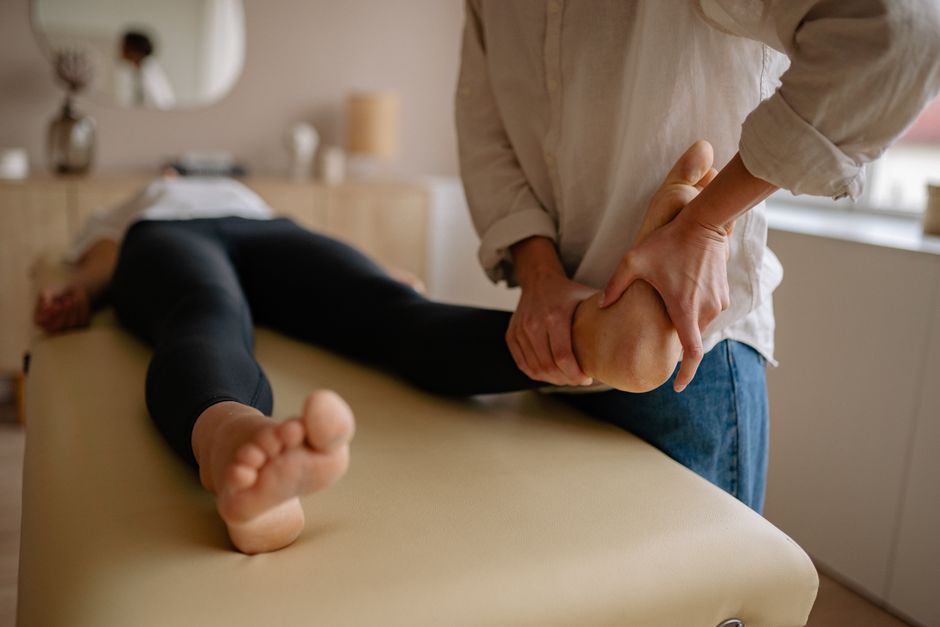
Tight shoes can turn a simple walk into a miserable experience. The pain comes on fast, and you want relief just as quickly. The fastest way to ease the pain is to take the shoes off and give your feet room to swell. If that is not possible, you need to reduce pressure, cool the inflammation, and protect the irritated areas until you can get home.
Why Do Tight Shoes Hurt So Much So Quickly?
The pain from tight shoes is not just in your head. Your foot contains 26 bones, 33 joints, and over 100 muscles, tendons, and ligaments. When you squeeze all of that into a shoe that is too small, you compress the soft tissues against the bone.
This pressure does two things. First, it restricts blood flow to the skin and deeper tissues. Second, it irritates the nerves, especially the ones running between the bones of your toes. Reduced blood flow causes a buildup of waste products in the tissue, which triggers pain signals. Nerve compression causes sharp, burning, or tingling sensations.
The longer you wear the shoe, the more the foot swells. Heat and gravity cause fluid to pool in the feet. This natural swelling makes the shoe even tighter, which creates a painful cycle that gets worse with every step.
What Is the Fastest Way to Relieve the Pain Right Now?
The single fastest action is to remove the shoes. This is not always practical, but it is the most effective. Once the shoes are off, the pressure is gone and blood flow can return to normal.
If you cannot take the shoes off immediately, sit down if you can. Elevating your feet above heart level for even a few minutes helps drain fluid away from the feet and reduces the swelling that is making the shoe tighter.
Next, cool the feet. Cold constricts blood vessels and numbs the nerve endings. If you are at home, soak your feet in cool water for 10 to 15 minutes. If you are out, hold a cold water bottle or an iced drink against the most painful spots. Do not apply ice directly to the skin. Wrap it in a thin cloth first to avoid damaging the skin.
How To Relieve Foot Pain From Tight Shoes Fast With Simple Techniques
Once the shoes are off, you can speed up recovery with a few targeted moves. Gentle stretching helps release the muscles that have been cramped in a shortened position.
- Towel stretch: Sit with your legs straight and loop a towel around the ball of your foot. Gently pull the towel toward you until you feel a stretch along the back of your calf and the bottom of your foot. Hold for 30 seconds. Repeat twice.
- Toe spreads: Sit barefoot and spread your toes as wide as you can. Hold for 5 seconds, then relax. Repeat 10 times. This helps undo the squeezing your toes endured.
- Ankle rolls: Lift one foot and slowly roll your ankle in circles. Do 10 circles in each direction. This improves circulation and reduces stiffness.
Massage also helps. Working your thumbs along the arch of the foot and between the toes can relieve muscle spasms and encourage blood flow. Use light to medium pressure. If any spot feels bruised, skip it and move on.
Over-the-counter pain relievers like ibuprofen or acetaminophen can help if the pain is significant. Ibuprofen also reduces inflammation. Follow the dosing instructions on the label and do not exceed the recommended amount.


How To Protect Blisters and Hot Spots
Tight shoes often create friction. Friction causes hot spots, which can turn into blisters. If you see a red, tender area on your foot, protect it immediately.
Apply a moleskin pad or a blister bandage over the area. These create a barrier between your skin and the shoe. If you do not have these, a thick piece of medical tape works in a pinch. Do not pop a blister if one has already formed. The skin on top of a blister protects the raw skin underneath from infection. If the blister breaks on its own, clean it gently with soap and water, apply an antibiotic ointment, and cover it with a bandage.
You can also lubricate the friction points. Applying a thin layer of petroleum jelly to the heel, the top of the toes, or the sides of the foot reduces rubbing. This is a temporary fix that can make the rest of the day bearable if you must keep wearing the shoes.
When To See a Doctor for Foot Pain
Most tight-shoe pain resolves within a few hours of removing the shoes. But some situations need medical attention. See a doctor if you experience any of the following:
- Pain that lasts more than a few days after the shoe pressure is gone
- Numbness or tingling that does not go away
- Swelling, redness, or warmth that spreads
- A visible deformity, such as a toe that is bent or displaced
- An open wound or a blister that shows signs of infection, like pus or red streaks
People with diabetes or peripheral artery disease need to be especially careful. Reduced blood flow means minor injuries heal slowly and infections can become serious quickly. If you have these conditions and develop any foot pain or skin break from tight shoes, check your feet daily and see a healthcare provider early.
How To Prevent Tight Shoe Pain in the Future
Prevention starts with buying the right shoes. Shop for shoes in the afternoon or evening. Feet swell throughout the day, so shoes that fit in the morning may be tight by dinner time.
When trying on shoes, leave about a thumb’s width of space between your longest toe and the end of the shoe. Your toes should be able to wiggle freely. The shoe should not pinch at the widest part of your foot.
Different brands fit differently. Do not assume your size is the same across all brands. Measure your feet every few years. Feet change shape with age, pregnancy, and weight changes.
Break in new shoes gradually. Wear them for short periods at home before wearing them for a full day out. This lets the materials soften and mold to your foot shape.
If you have a pair of shoes that is consistently tight, consider using a shoe stretcher. These devices physically widen or lengthen the shoe. You can buy one for home use or take the shoes to a cobbler. Stretching works best on leather shoes. Synthetic materials do not stretch as well.
Do Shoe Inserts or Pads Help?
Inserts and pads can help in specific situations. A metatarsal pad sits behind the ball of the foot and redistributes pressure away from the toes. This can relieve pain at the front of the foot when shoes are too narrow.
Heel grips are thin pads that stick to the inside of the heel of the shoe. They stop the heel from slipping, which can reduce friction blisters at the back of the foot. They also push the foot slightly forward, so if your shoes are already tight in the toes, heel grips can make that worse.
Toe spacers are small silicone pieces that sit between the toes. They help realign the toes and can relieve nerve compression. Some people find them helpful, but they take up space inside the shoe. In a tight shoe, they may cause more pressure instead of less.
The evidence for these products is mostly based on individual experience rather than large clinical trials. They are low-risk and inexpensive to try, but they are not a substitute for properly fitting shoes.
What Actually Works vs. What Is Just Marketing
Foot pain relief is an area full of products with bold claims. Some are helpful. Many are not.
Products that claim to “realign” your feet or “cure” foot problems are not supported by strong evidence. No shoe insert has been shown to permanently change the structure of the foot. If a product promises to fix your feet permanently, treat that claim with caution.
Cooling gels and sprays can provide temporary relief by numbing the area. They do not treat the underlying cause of the pain. They are fine for short-term comfort but do not rely on them as a solution.
Compression socks are sometimes recommended for foot pain. They can reduce swelling, which may help if your feet swell inside your shoes. But compression socks add bulk inside the shoe, which can make a tight shoe feel tighter. If you use them, choose a thin pair and wear them only when your shoes have extra room.
The most honest answer is that the best treatment for tight shoe pain is to stop wearing tight shoes. Everything else is a temporary measure.
Frequently Asked Questions
How long does foot pain from tight shoes last?
Mild pain usually fades within a few hours after removing the shoes. If pain lasts more than two or three days, see a doctor.
Should I walk on a sore foot from tight shoes?
No, rest the foot until the pain subsides. Walking on an irritated foot can make the inflammation worse and delay recovery.
Can tight shoes cause permanent foot damage?
Yes, over time tight shoes can contribute to bunions, hammertoes, and nerve damage. Occasional tight shoe wear is unlikely to cause permanent harm, but chronic use is a real risk.
Is it okay to wear tight shoes with blisters?
No, you should avoid wearing the shoes until the blister heals. Continuing to wear them increases friction and raises the risk of infection.
