
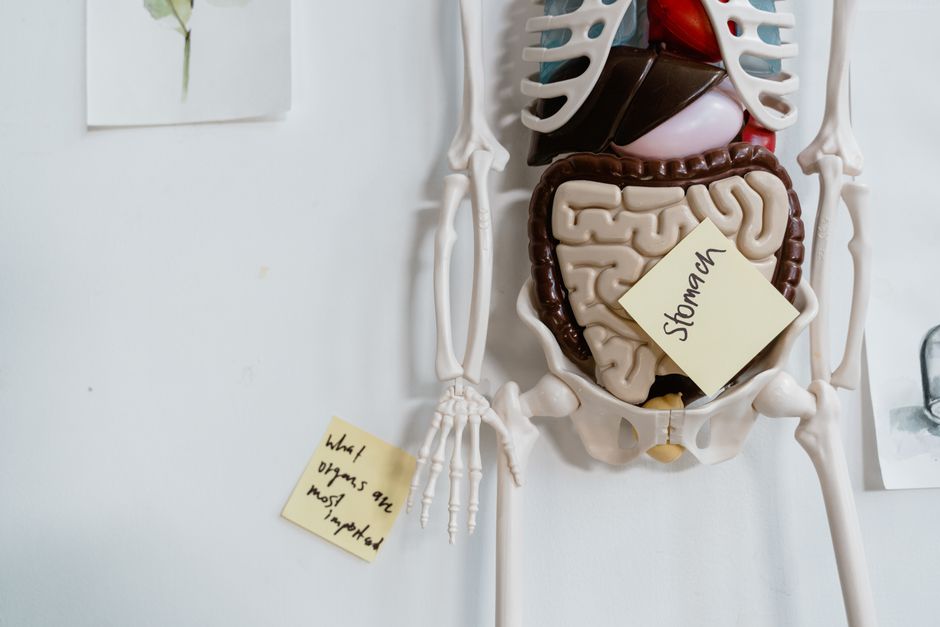
Pain in the left lower part of your belly is common, and it often comes from problems in your digestive tract. For most people, the cause is something simple like trapped gas, constipation, or a bout of diverticulitis. However, because this area also contains parts of your urinary tract and reproductive organs, the source of the pain can vary widely between men and women. This guide breaks down the most frequent causes, how to tell them apart, and when you need urgent medical care.
Why Does My Left Lower Stomach Hurt Common Causes?
The left lower quadrant of the abdomen holds the end of your colon, the left ureter, and in women, the left ovary and fallopian tube. Pain here usually signals an issue with one of those organs.
The most common culprits are constipation, trapped gas, and diverticulitis. Diverticulitis is an inflammation of small pouches that can form in the wall of the colon, and it is the classic cause of left lower abdominal pain in adults over 40. In younger people, the same pain is often just a muscle spasm or gas buildup.
Because the colon descends on the left side of the body, anything that irritates the bowel—like an infection or inflammatory condition—tends to hurt here. If the pain is sharp, comes and goes, or is relieved by passing gas or a bowel movement, the issue is likely intestinal.
What Does Gas and Constipation Pain Feel Like?
Gas and constipation are the most frequent reasons for left lower stomach pain, and they are rarely dangerous.
Gas pain often feels like a sharp, stabbing sensation that moves. It may be accompanied by bloating or a feeling of fullness. Constipation pain is usually a dull ache or cramping that worsens before a bowel movement and improves afterward. Both conditions cause the colon to stretch, which triggers pain receptors in the intestinal wall.
If you have not had a bowel movement in a few days, or if you are passing hard, dry stool, constipation is the likely source. Increasing water intake and dietary fiber usually resolves the issue within a day or two. Over-the-counter stool softeners are also an option, but you should not use laxatives regularly without speaking to a doctor.
Could It Be Diverticulitis?
Diverticulitis is the inflammation or infection of small bulging pouches in the colon wall. These pouches, called diverticula, are common after age 40. When stool gets trapped in one, it can become inflamed and cause pain.
The pain from diverticulitis is typically constant, localized to the left lower side, and may worsen when you move or cough. It is often accompanied by fever, chills, nausea, or a change in bowel habits. Some people feel a tender lump in the area.
Mild diverticulitis is often treated at home with a liquid diet, rest, and antibiotics. Severe cases require hospitalization. If you have left lower pain with a fever, you should see a doctor promptly. Untreated diverticulitis can lead to an abscess or a perforation in the bowel, which is a surgical emergency.





What Are the Female-Specific Causes?
In women, the left lower abdomen contains the left ovary and fallopian tube. Pain in this region can originate from the reproductive system rather than the bowel.
Ovarian cysts are fluid-filled sacs that form on the ovary. They can cause a sharp, sudden pain if they rupture or a dull ache if they grow large. Endometriosis can cause chronic, severe cramping that worsens during menstruation. An ectopic pregnancy—a pregnancy implanted outside the uterus—is a life-threatening emergency that causes sharp, one-sided pain, often with vaginal bleeding.
If you are of childbearing age and experience sudden, severe left lower pain, seek medical attention immediately. An ectopic pregnancy can cause internal bleeding and requires urgent surgical treatment. Pelvic inflammatory disease, an infection of the reproductive organs, can also cause pain on one side, often accompanied by unusual discharge or fever.
What About Kidney Stones or Urinary Issues?
The left ureter carries urine from the left kidney to the bladder. A kidney stone passing through this narrow tube causes intense, cramping pain that radiates from the flank into the lower abdomen and groin.
This pain is often described as one of the worst a person can experience. It comes in waves, and it is frequently accompanied by blood in the urine, nausea, or a burning sensation when urinating. A urinary tract infection that has spread to the kidney can also cause left-sided pain, along with fever and a frequent urge to urinate.
If you suspect a kidney stone, you should drink plenty of water and see a doctor. Stones larger than a few millimeters often require medical intervention to pass. If you have a fever with flank pain, that indicates a kidney infection, which requires prompt antibiotic treatment.
What Are the Less Common but Serious Causes?
Several serious conditions can present as left lower abdominal pain, and they require immediate medical evaluation.
Inflammatory bowel disease—which includes Crohn’s disease and ulcerative colitis—causes chronic inflammation of the digestive tract. It typically produces cramping, diarrhea, weight loss, and blood in the stool. Incarcerated hernias occur when tissue pushes through a weak spot in the abdominal wall and becomes trapped. This causes a tender bulge and severe pain, and it requires emergency surgery.
Intestinal obstruction is a blockage that stops food and liquid from moving through the bowel. It causes severe cramping, vomiting, abdominal swelling, and the inability to pass gas or stool. A ruptured appendix usually hurts on the right side, but in rare cases, the pain can be felt on the left if the appendix is positioned unusually.
In men, testicular torsion—a twisting of the spermatic cord—can cause referred pain in the lower abdomen. This is a surgical emergency that requires treatment within hours to save the testicle.
When Should You Go to the Emergency Room?
Some abdominal pain is a medical emergency. Do not wait to see if it resolves on its own if you have any of the following signs.
- Pain that is severe, constant, or worsening over several hours
- Fever over 101°F (38.3°C) with abdominal pain
- Blood in your stool or vomit
- Inability to pass gas or stool, especially with vomiting
- A swollen, tender abdomen that feels hard to the touch
- Pain during pregnancy or possible pregnancy
- Dizziness, confusion, or fainting with the pain
These symptoms can indicate a perforated bowel, internal bleeding, a strangulated hernia, or an ectopic pregnancy. All of these require immediate surgery or other urgent intervention. If you are unsure whether your pain is serious, it is better to be evaluated than to wait at home.
How Is the Cause Diagnosed?
Doctors diagnose the cause of left lower abdominal pain through a combination of your medical history, a physical exam, and targeted tests.
During the physical exam, the doctor will press on your abdomen to locate the exact area of tenderness. They may also perform a rectal exam to check for masses or blood. Based on your symptoms, they may order blood tests to check for infection or inflammation, a urine test to rule out kidney stones or infection, or imaging studies.
A CT scan is the most accurate imaging test for abdominal pain because it can visualize the colon, appendix, kidneys, and reproductive organs in detail. An ultrasound is often used if the doctor suspects ovarian cysts, ectopic pregnancy, or gallstones. A colonoscopy may be recommended later if inflammatory bowel disease is suspected, but it is not performed during an acute episode of severe pain.
What Can You Do at Home for Mild Pain?
If your pain is mild, you have no fever, and you are confident it is not an emergency, you can try some home measures while you monitor your symptoms.
For gas or constipation, a warm compress on the abdomen can relax the muscles and ease cramping. Gentle walking helps stimulate bowel activity. Drinking clear fluids—water, broth, or herbal tea—keeps you hydrated without adding stress to the digestive tract. Avoid heavy, greasy, or spicy foods until the pain resolves.
Over-the-counter pain relievers like acetaminophen are generally safe for mild abdominal discomfort. Avoid ibuprofen or aspirin, as these can irritate the stomach lining and worsen some conditions. Do not take laxatives if you suspect a blockage, and do not use an enema without medical advice.
If the pain does not improve within 24 to 48 hours, or if it gets worse, see a healthcare provider. Mild symptoms can sometimes be the early stage of a condition that worsens without treatment.
Frequently Asked Questions
Can left lower stomach pain be caused by gas?
Yes, trapped gas is one of the most common causes of left lower abdominal pain. It typically causes sharp, moving pains that resolve after passing gas or having a bowel movement.
Is left lower stomach pain a sign of appendicitis?
Appendicitis usually causes pain on the right side, but in rare cases where the appendix is positioned unusually, the pain can be felt on the left. If you have severe pain with fever or vomiting, seek emergency care regardless of which side it is on.
How long should I wait before seeing a doctor for left lower pain?
See a doctor within 24 hours if the pain is persistent but mild, or immediately if the pain is severe, accompanied by fever, or prevents you from standing upright. Sudden, severe pain always warrants urgent evaluation.
Can left lower stomach pain be related to my period?
Yes, menstrual cramps can cause pain in the lower abdomen, and conditions like endometriosis can cause severe one-sided pain. If the pain is different from your usual cramps or occurs outside your menstrual cycle, it should be evaluated.
