
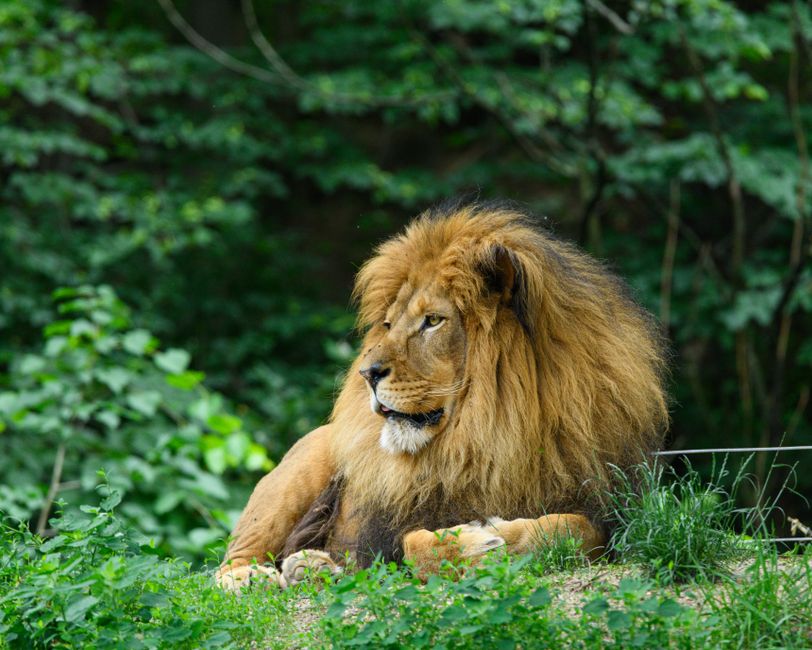
Lions are carnivores, which means they eat meat. In the wild, a lion’s diet consists almost entirely of large animals like zebras, wildebeest, buffalo, and antelope. They are obligate carnivores, meaning their bodies require nutrients found only in animal tissue to survive. Lions do not naturally eat plants, fruits, or vegetables as a meaningful part of their diet, though they may occasionally ingest grass, likely to help with digestion or to expel intestinal parasites.
What Does a Lion Eat in the Wild?
Lions hunt and eat a wide range of animals, but their preferred prey are large hoofed mammals. In African savannas, this typically includes wildebeest, zebras, and various species of antelope such as impala and kudu. In some regions, they also prey on buffalo, giraffe, and even young elephants or hippos when the opportunity arises.
Lions are opportunistic hunters. They will eat smaller animals like hares, birds, and reptiles when larger prey is scarce. They also scavenge frequently, stealing kills from hyenas, leopards, or wild dogs. A lion’s diet depends heavily on what is available in its territory. In areas where livestock is present, lions may prey on cattle, goats, or sheep, which often leads to conflict with local farmers.
How Much Do Lions Eat in One Meal?
A lion can consume a remarkable amount of meat in a single sitting. An adult male lion may eat up to 40 kilograms (about 88 pounds) of meat in one meal. However, this is not a daily occurrence. Lions typically eat every two to three days, and a large kill can feed an entire pride.
After a successful hunt, lions gorge quickly. They do not chew their food thoroughly, instead tearing off large chunks and swallowing them. This rapid eating is a survival strategy, as other predators or rival lions may steal the carcass. After a large meal, a lion may rest and digest for up to 24 hours before hunting again.
Do Lions Eat Other Lions or Their Own Kind?
Lions do not typically hunt other lions, but they will kill them in territorial disputes. Male lions, in particular, will kill cubs that are not their own when they take over a pride. These kills are not for food; they are acts of dominance and reproductive strategy.
Cannibalism among lions is rare but documented. In extreme cases of starvation, lions may eat the carcass of a dead pride member. This behavior is unusual and generally occurs only under severe food scarcity. More commonly, lions scavenge on the kills of other predators, including other lions, if the opportunity presents itself.





What Do Lions Eat in Captivity?
Lions in zoos and sanctuaries eat a diet designed to mimic their natural nutritional intake. This usually consists of commercially prepared meat, including beef, horse meat, or chicken. Some facilities provide whole carcasses, such as rabbits or goats, to encourage natural feeding behaviors and provide dental benefits.
Captive lions are typically fed a balanced diet that includes supplements to ensure they receive adequate vitamins and minerals. Vitamin E and taurine are commonly added because the meat used in captivity may lack some of the nutrients found in fresh wild prey. Unlike wild lions, captive lions are fed on a strict schedule, usually four to six days per week, to maintain a healthy weight and prevent obesity.
What Do Lion Cubs Eat?
Lion cubs drink their mother’s milk for the first few months of life. They begin eating meat at around three months of age, but they do not hunt for themselves. Cubs eat meat that the adult lions bring back to the pride, or they may be allowed to eat from a kill after the adults have finished.
Weaning occurs gradually. By the time cubs are six to eight months old, they rely mostly on meat, though they may continue to nurse occasionally. Young cubs are often the last to eat at a kill, which means they may not get enough food during times of scarcity. This is one reason cub mortality rates in the wild are high. Cubs learn to hunt by watching and imitating adult lions, but they do not typically participate in real hunts until they are about one year old.
How Do Lions Hunt and Kill Their Prey?
Lions are social hunters, and this is a key part of how they eat. Female lions do most of the hunting. They work together in groups, using coordinated tactics to surround and ambush prey. This teamwork allows them to take down animals much larger than themselves, such as buffalo or giraffe.
A typical hunt involves stalking to within close range, then a short burst of speed. Lions are not endurance runners. They can sprint at speeds up to 80 kilometers per hour (about 50 miles per hour), but only for short distances. If the initial chase fails, they usually abandon the hunt rather than exhaust themselves.
Once prey is caught, lions kill it by suffocation. They clamp their jaws around the throat or muzzle of the animal, cutting off its airway. Death typically occurs within minutes. Contrary to popular belief, lions do not break the necks of their prey. Suffocation is the primary method of killing.
Do Lions Eat Grass or Plants?
Lions occasionally eat grass, but it is not a nutritional part of their diet. When a lion eats grass, it is usually for a functional reason. Grass can help induce vomiting, which allows the lion to expel indigestible material like fur or bone fragments from its stomach. It can also act as a laxative to help pass intestinal parasites.
Some lions in certain regions have been observed eating fruits, such as melons, during extreme droughts. This is a survival behavior rather than a dietary preference. Lions do not have the digestive enzymes needed to break down plant cellulose, so plant matter provides them with no meaningful nutrition.
What Happens When Lions Cannot Find Food?
Lions face periods of food scarcity, especially during dry seasons when prey migrates or becomes scarce. During these times, lions may go several days without eating. They can survive on the energy reserves stored in their bodies, but prolonged hunger weakens them and makes hunting more difficult.
When starving, lions become more desperate. They may target weaker or slower prey, such as sick animals, old individuals, or young calves. They may also scavenge more aggressively, chasing hyenas off their kills or feeding on carrion. In extreme cases, lions have been known to attack livestock or, rarely, humans when their natural prey is severely depleted.
How Does a Lion’s Digestive System Handle Meat?
A lion’s digestive system is short and simple compared to herbivores. Meat is easier to digest than plant material, so lions do not need a complex digestive tract. Their stomachs produce strong acids that break down meat, bones, and other animal tissues.
Lions cannot digest carbohydrates efficiently. Their bodies are designed to convert protein into energy, and they get most of their water from the blood and body fluids of their prey. This is why lions can go for long periods without drinking water directly. A lion’s digestive system is a clear reflection of its evolutionary role as an apex predator, built for processing animal protein and fat with maximum efficiency.
Frequently Asked Questions
Can lions survive on a vegetarian diet?
No. Lions are obligate carnivores and cannot survive without meat. Their bodies cannot extract necessary nutrients from plant material alone.
How often do lions eat?
Lions eat every two to three days on average. They may go longer without food when prey is scarce.
Do lions eat bones?
Yes, lions eat bones along with the meat. Their strong jaws and stomach acids allow them to digest bone fragments.
What animal is a lion’s favorite prey?
Wildebeest and zebras are among the most common prey for lions in Africa. Buffalo are also a preferred target when available.
