
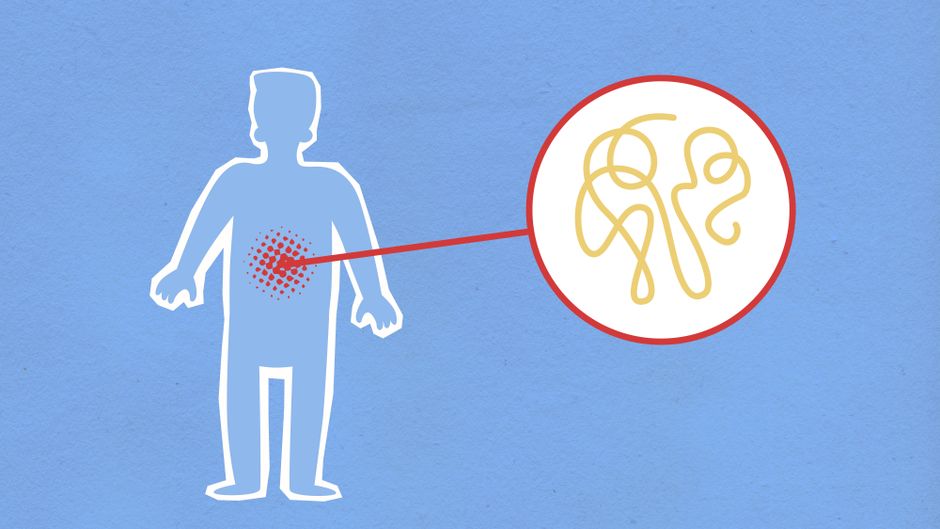
Mucus in stool is a common symptom of irritable bowel syndrome (IBS), and it typically appears as a clear, white, or yellowish jelly-like substance coating the outside of the stool or mixed within it. For most people with IBS, small amounts of mucus are normal and not a cause for alarm. You should worry when the mucus is accompanied by blood, occurs with severe abdominal pain, or appears alongside unexplained weight loss or fever, as these signs point to conditions other than IBS.
What Does IBS Mucus Actually Look Like?
IBS mucus has a distinctive appearance. It looks like clear or slightly cloudy jelly. Some people describe it as resembling nasal discharge or egg whites. The color is usually transparent, white, or pale yellow.
The mucus may coat the outside of the stool like a thin film. It can also appear as streaks running through the stool. In some cases, it comes out separately before or after a bowel movement. The amount varies from person to person. Some people notice only a small smear on toilet paper. Others pass larger globs.
Mucus itself is not harmful. Your intestines naturally produce it to lubricate the digestive tract and protect the intestinal lining. People without IBS pass mucus too, but usually in amounts so small they never notice it. In IBS, the gut often produces more mucus than usual, making it visible.
Why Does IBS Cause Extra Mucus?
IBS is a disorder of the gut-brain interaction. The nerves in your digestive tract become overly sensitive, and the muscles of the intestine contract abnormally. This disruption appears to stimulate the mucus-producing cells in the intestinal lining.
These cells, called goblet cells, release mucus as a protective response. When the gut is irritated or inflamed, even mildly, the cells produce more. In IBS, the irritation is not the same as inflammatory bowel disease, but the gut still responds by increasing mucus output.
Stress and anxiety also play a role. The gut-brain connection means emotional distress can trigger physical changes in digestion, including increased mucus production. Many people with IBS notice more mucus during periods of high stress.
How Much Mucus Is Normal With IBS?
There is no strict clinical cutoff for “normal” mucus amounts in IBS. Doctors generally consider small to moderate amounts of mucus a typical IBS symptom. Some research suggests that a significant portion of people with IBS report visible mucus in their stool.
The key question is not the amount but the other symptoms that come with it. Mucus alone, without other warning signs, fits the IBS picture. Mucus combined with blood, severe pain, or fever does not.
If you have always passed some mucus and your other IBS symptoms are stable, that is likely your normal pattern. A sudden increase in mucus, especially if it comes with new symptoms, deserves attention.





When Should You Worry About Mucus in Stool?
Certain signs mean mucus is not from IBS. Blood in the stool is the most important one. IBS does not cause rectal bleeding. If you see red blood mixed with mucus, or black tarry stool, you need medical evaluation.
Other warning signs include:
- Fever or chills
- Severe or worsening abdominal pain
- Unintentional weight loss
- Mucus that persists after a course of antibiotics
- Diarrhea that wakes you from sleep
- Symptoms that started after age 50
These symptoms can indicate inflammatory bowel disease, an intestinal infection, or other digestive conditions that require proper diagnosis. If you have any of them, contact a healthcare provider rather than assuming it is IBS.
What Else Could Cause Mucus in Stool?
Several conditions produce mucus in stool. The most common alternatives to IBS include inflammatory bowel disease, which includes Crohn’s disease and ulcerative colitis. These conditions cause actual inflammation in the digestive tract and often produce mucus along with blood and diarrhea.
Intestinal infections from bacteria or parasites can also cause mucus. Food poisoning, for example, sometimes leads to mucus in stool along with diarrhea and cramping. These infections usually resolve on their own within a week.
Other possible causes include:
- Anal fissures or hemorrhoids
- Bowel obstruction
- Cystic fibrosis in rare cases
- Certain medications
Colorectal cancer can rarely cause mucus, but it typically comes with other symptoms like blood, changes in bowel habits, and weight loss. Mucus alone is not a sign of cancer.
How Do Doctors Distinguish IBS Mucus From Other Causes?
Doctors use your full symptom picture, not just mucus, to make a diagnosis. The Rome criteria for IBS require recurrent abdominal pain related to bowel movements, along with changes in stool frequency or form. Mucus is a supporting symptom but not required for diagnosis.
Your doctor may order tests to rule out other conditions. A stool test can check for blood, infections, or markers of inflammation. Blood tests can screen for anemia or inflammatory markers. In some cases, a colonoscopy is recommended to examine the intestinal lining directly.
Not everyone with IBS mucus needs these tests. If you are under 50, have no warning signs, and your symptoms fit IBS, your doctor may diagnose based on symptoms alone. If you have any red flag symptoms, testing is more likely.
Can You Reduce Mucus Production in IBS?
Treating IBS itself often reduces mucus. Since mucus is a response to gut irritation, calming the digestive tract usually decreases output. There is no specific treatment for mucus alone, but IBS management helps.
Dietary changes can make a difference. A low-FODMAP diet, which reduces certain fermentable carbohydrates, helps many people with IBS. Keeping a food diary to identify personal triggers, such as dairy or artificial sweeteners, can also reduce symptoms.
Stress management techniques, including cognitive behavioral therapy and gut-directed hypnotherapy, have strong evidence for IBS symptom relief. Regular exercise and adequate sleep also support digestive health.
Some clinicians recommend fiber supplements or antispasmodic medications for IBS symptoms. These can help regulate bowel movements and reduce cramping, which may indirectly reduce mucus. However, no medication specifically targets mucus production in IBS.
What Should You Do If You Notice Mucus in Stool?
Start by noting the pattern. Track when the mucus appears, what your stool looks like, and any other symptoms you have. This information helps your doctor make an accurate assessment.
If you have an IBS diagnosis and the mucus is not accompanied by new symptoms, you can mention it at your next appointment. There is no urgent need to seek care if everything else is stable.
If you do not have an IBS diagnosis but notice mucus repeatedly, schedule a visit with your doctor. Persistent mucus without a known cause deserves evaluation. If mucus appears with blood, severe pain, or fever, seek medical attention promptly.
Frequently Asked Questions
Is it normal to have mucus in stool every day with IBS?
Some people with IBS pass visible mucus daily, and this can be normal for them. The concern is not frequency alone but whether the mucus appears with blood, severe pain, or other new symptoms.
Can IBS mucus look like worms?
Mucus can sometimes form long, stringy shapes that resemble worms, but IBS mucus is not a parasite. If you suspect worms, a stool test can confirm whether parasites are present.
Does IBS mucus have a smell?
Mucus itself does not have a strong smell, though it may pick up the odor of the stool it passes with. A very foul-smelling discharge with mucus can indicate an infection and should be evaluated.
Can stress cause more mucus in IBS stool?
Yes, stress can increase mucus production in people with IBS. The gut-brain connection means emotional stress can directly stimulate the digestive tract to produce more mucus.
