
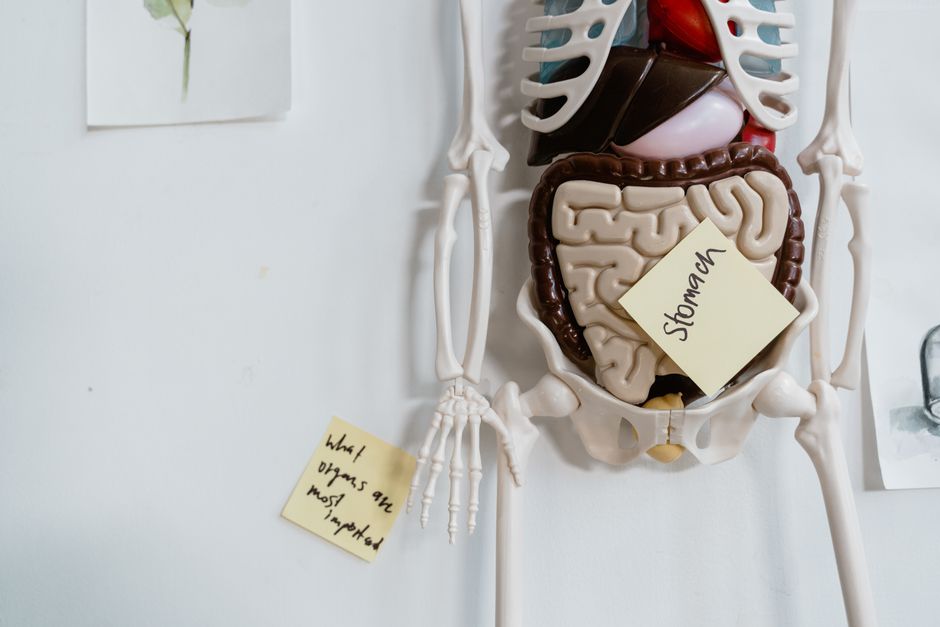
Most cases of stomach flu, also called viral gastroenteritis, clear up on their own within 1 to 3 days. If your symptoms last longer than 48 hours without any improvement, or if you see blood in your stool, become severely dehydrated, or have a fever above 102°F, you should contact a doctor. For most healthy adults, the worst of the illness passes within 24 to 72 hours, but some viruses can linger for up to 10 days.
What Actually Causes Stomach Flu?
Stomach flu is not the same as influenza. The flu shot does not protect against it. The illness is caused by viruses that inflame the lining of your stomach and intestines.
Norovirus is the most common culprit in the United States. It causes roughly half of all foodborne illness outbreaks. Rotavirus is another common cause, especially in children. Other viruses like adenovirus and astrovirus can also cause it, though less frequently.
These viruses are highly contagious. They spread through direct contact with an infected person, contaminated food or water, or touching surfaces that carry the virus. A tiny amount of virus — fewer than 100 particles in some cases — is enough to make you sick.
How Long Should Stomach Flu Last And When To Worry?
The typical stomach flu lasts 1 to 3 days. Symptoms usually begin 12 to 48 hours after exposure to the virus. The most intense phase — vomiting, diarrhea, and stomach cramps — usually passes within the first 24 to 48 hours.
You should worry and seek medical attention if symptoms last beyond 48 hours without improvement. You should also call a doctor if you cannot keep fluids down for more than 24 hours, if you have blood in your vomit or stool, or if you show signs of severe dehydration. These signs include dark urine, dizziness when standing, dry mouth, and urinating very little or not at all.
In some cases, symptoms can last longer. Viral shedding — when the virus is still present in your stool — can continue for up to two weeks after you feel better. You remain contagious during this time, even without symptoms.
What Does Dehydration Look Like?
Dehydration is the most common complication of stomach flu. It happens because your body loses fluids through vomiting and diarrhea faster than you can replace them.
Mild dehydration causes thirst, dry lips, and slightly darker urine. Moderate dehydration adds dizziness, headache, and less frequent urination. Severe dehydration is a medical emergency. Signs include confusion, rapid heartbeat, sunken eyes, extreme weakness, and inability to urinate for 8 hours or more.
Children and older adults dehydrate faster than younger adults. For infants and young children, watch for fewer wet diapers than usual, no tears when crying, and unusual drowsiness or irritability. These require prompt medical attention.





What Helps You Recover Faster?
The most important thing is fluid replacement. Sip small amounts of fluid frequently rather than drinking large volumes at once. Water works, but it does not replace the electrolytes — sodium, potassium, and chloride — that you lose through vomiting and diarrhea.
Oral rehydration solutions are the most effective option. These are available at pharmacies and contain the right balance of water, salts, and sugar. Sports drinks contain sugar but generally lack the proper electrolyte concentration for illness-related dehydration. Clear broths and diluted fruit juices can help, but plain water remains the safest baseline.
Start with clear liquids only. Once you can keep those down for several hours, you can slowly introduce bland foods. The BRAT diet — bananas, rice, applesauce, and toast — is a common starting point. These foods are easy on the stomach and provide some nutrients without irritating the digestive tract.
Avoid dairy products, fatty foods, spicy foods, and caffeine until you feel fully recovered. These can worsen diarrhea or trigger nausea. Alcohol should be avoided entirely during recovery.
Does Medicine Help?
Antibiotics do not work against stomach flu. The illness is caused by a virus, and antibiotics only treat bacterial infections. Taking them when you do not need them contributes to antibiotic resistance.
Anti-diarrheal medications like loperamide (Imodium) can reduce diarrhea, but they are not always recommended. Some experts advise against them because they can keep the virus in your system longer. They may also be harmful if you have a bacterial infection or blood in your stool. Ask a pharmacist or doctor before using them.
Anti-nausea medications can help. Prescription options like ondansetron (Zofran) are sometimes given to reduce vomiting, especially in children. Over-the-counter options are limited, and no strong evidence supports any specific non-prescription anti-nausea product for stomach flu. Rest is one of the most effective tools you have — your immune system does the work, and it needs energy to do so.
When Should Adults See a Doctor?
Adults should seek medical care if they cannot keep any fluids down for 24 hours, if vomiting lasts more than 2 days, or if diarrhea lasts more than 3 days. Blood in vomit or stool is always a reason to call a doctor.
A high fever is another warning sign. A temperature above 102°F that does not respond to fever-reducing medication warrants medical evaluation. Severe abdominal pain that is not relieved by passing gas or having a bowel movement could signal something other than stomach flu.
Certain medical conditions raise your risk of complications. People with diabetes, kidney disease, heart conditions, or weakened immune systems should contact their doctor earlier than healthy adults. Pregnant women should also check with their obstetrician if symptoms are severe or prolonged.
When Should Children See a Doctor?
Children under 6 months old should see a doctor at the first sign of vomiting or diarrhea. Their bodies cannot tolerate fluid loss as well as older children.
For older children, call a doctor if vomiting lasts more than 24 hours, if there is blood in the stool, or if the child shows signs of dehydration. These include no wet diaper for 6 hours, no tears when crying, a dry mouth, or unusual sleepiness. A fever above 102°F in a child under 2 years old also warrants a call to the pediatrician.
Do not give anti-diarrheal medications to children without explicit instruction from a doctor. These can be dangerous in young children. Infants who are breastfeeding should continue nursing — breast milk provides fluids and immune support. For formula-fed infants, ask your pediatrician whether to continue formula or switch to an oral rehydration solution.
How Do You Stop It From Spreading?
Stomach flu viruses are extremely contagious. You can spread the virus before symptoms appear and for up to two weeks after recovery. Hand sanitizer is not reliable against norovirus — soap and water are more effective because the virus is resistant to alcohol-based sanitizers.
Wash your hands thoroughly with soap and warm water for at least 20 seconds. Do this after using the bathroom, before preparing food, and after changing diapers. Clean surfaces with a bleach-based cleaner. Norovirus survives on surfaces for days and resists many common disinfectants.
Stay home until you have been symptom-free for at least 48 hours. This is especially important if you work in food service, healthcare, or childcare. Wash contaminated clothing and linens in hot water and dry them on high heat.
Can You Prevent It?
There is no vaccine for norovirus. Rotavirus, however, has a vaccine that is part of the routine childhood immunization schedule in the United States. The rotavirus vaccine has dramatically reduced severe cases of stomach flu in infants and young children.
For adults, prevention comes down to hygiene. Wash hands frequently, especially before eating and after being in public places. Avoid sharing utensils, cups, or towels with someone who is sick. Be careful with food preparation — wash fruits and vegetables thoroughly and cook shellfish completely, as these are common sources of norovirus.
If someone in your household is sick, clean shared surfaces daily. Use separate bathrooms when possible. Do not prepare food for others while you are sick, and wait at least 48 hours after symptoms resolve before cooking for others.
What Else Could It Be?
Not every case of vomiting and diarrhea is stomach flu. Food poisoning can produce identical symptoms but usually begins sooner after eating contaminated food — often within 6 hours. Bacterial infections like salmonella or E. coli can also cause similar symptoms, though they sometimes include high fever and bloody diarrhea.
Appendicitis, gallbladder disease, and pancreatitis can all cause abdominal pain and vomiting. These conditions are more serious and require medical treatment. If your pain is severe, localized to one area, or getting worse rather than better, seek medical care.
In older adults, persistent diarrhea can sometimes signal medication side effects or an underlying digestive condition like inflammatory bowel disease. If your symptoms do not follow the typical stomach flu pattern, or if they keep coming back, talk to a doctor about other possibilities.
Frequently Asked Questions
How long is stomach flu contagious?
You can spread the virus from the moment symptoms begin until about 48 hours after they stop. Some people remain contagious for up to two weeks after recovery, especially with norovirus.
Can I go to work 24 hours after symptoms stop?
Most guidelines recommend staying home until you have been symptom-free for at least 48 hours. Returning earlier risks spreading the virus to coworkers, especially in food service or healthcare settings.
Is stomach flu dangerous for older adults?
Yes, dehydration can develop quickly in people over 65. Older adults should contact a doctor earlier than younger adults, particularly if they have heart conditions, diabetes, or take medications that affect kidney function.
Does the stomach flu require a doctor visit?
Most cases resolve without medical care. See a doctor if symptoms last beyond 48 hours without improvement, if you cannot keep fluids down for 24 hours, or if you have blood in your stool or vomit.
