
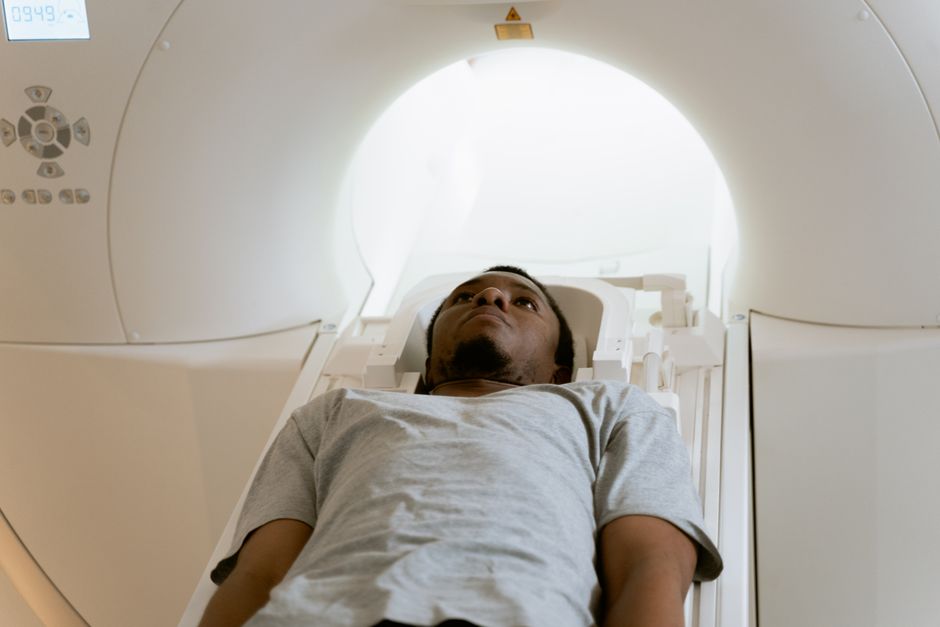
A PET scan can feel intimidating, especially when the report mentions something called “FDG uptake.” You might wonder if it means cancer or if it is a normal finding. FDG uptake is a measure of how much sugar a specific area of your body is using, and it shows up as a bright spot on the scan. This guide explains what that brightness means, why it happens, and what your doctor looks for when reading the results.
What Does FDG Uptake Mean On A PET Scan?
FDG stands for fluorodeoxyglucose. It is a radioactive sugar molecule that is injected into your vein before the scan. Your body treats it like regular sugar, so cells that use more energy pull in more FDG. The PET scanner detects the radiation and shows those active areas as bright spots.
Cancer cells are often very active and use more sugar than normal cells, which is why PET scans are useful for finding tumors. But FDG uptake is not exclusive to cancer. Many healthy processes also cause high uptake, including inflammation, infection, and normal brain activity. The pattern of the uptake, not just the presence of it, is what matters most.
Doctors describe this activity using a number called the SUV, or standardized uptake value. This number helps them judge whether a spot looks more like cancer or more like a benign process. Higher numbers generally mean more metabolic activity, but there is no single cutoff that separates cancer from everything else.
Why Do Some Areas Show High FDG Uptake?
Several normal tissues in your body always show some FDG activity. Your brain uses almost all of its energy from sugar, so it lights up intensely on every scan. The heart can show variable uptake depending on whether you are fasting or what you ate before the scan. The kidneys and bladder also show high activity because they remove the FDG from your body.
Beyond normal organs, inflammation is a common cause of increased uptake. When your immune system responds to an injury, infection, or autoimmune condition, the active immune cells burn sugar rapidly. This means a healing fracture, a dental abscess, or a lung infection like pneumonia can all appear as bright spots on a PET scan.
Even recent physical activity can affect the results. If you exercised before the scan, your muscles may show increased uptake. This is why patients are often told to rest quietly and avoid strenuous activity for a day before the procedure.
How Does FDG Uptake Help Diagnose Cancer?
Cancer cells divide quickly and have an altered metabolism that favors sugar consumption. This makes them stand out against the quieter background of normal tissue. A PET scan can find areas of cancer that other imaging tests might miss, and it can show whether cancer has spread to lymph nodes or other organs.
The scan is also valuable for staging. Staging tells your doctor how far the cancer has advanced, which directly affects treatment decisions. If the scan shows uptake only in one small area, the cancer may be localized. If it shows multiple areas of uptake throughout the body, the cancer is likely advanced.
Some cancers do not show high FDG uptake. Certain tumors are slow-growing or have a metabolism that does not pull in much sugar. This is why a negative PET scan does not completely rule out cancer. Your doctor will always interpret the scan in the context of your symptoms, blood tests, and other imaging studies.



What Is a Normal SUV on a PET Scan?
There is no universal normal SUV number because the value depends on the machine, the patient’s weight, blood sugar levels, and the time between injection and scanning. Instead of comparing your SUV to a fixed number, your doctor compares it to the background activity in your liver or blood pool.
In general, a lesion with an SUV of 2.5 or lower is often considered less suspicious, while values above 5 to 10 raise more concern. But these are not hard rules. A very small tumor might have a low SUV, while a severe infection can have a very high SUV. The shape of the uptake, its location, and how it changes over time all matter.
Your doctor may also look at how the uptake changes between two scans. If you have a scan before and after treatment, a decrease in SUV often suggests the treatment is working. An increase may indicate progression of the disease.
What Conditions Other Than Cancer Cause FDG Uptake?
Infections are a common cause of false positives on PET scans. An abscess, tuberculosis, or even a simple viral illness can cause significant FDG activity. The immune system sends large numbers of white blood cells to fight the infection, and those cells consume large amounts of sugar.
Inflammatory diseases also cause uptake. Conditions like sarcoidosis, rheumatoid arthritis, and inflammatory bowel disease produce areas of active inflammation that light up on the scan. This is why PET scans are sometimes used to evaluate inflammation, not just cancer.
Benign tumors can also show FDG uptake. Thyroid nodules, pituitary adenomas, and some types of polyps may be active on a PET scan despite being non-cancerous. A biopsy is often the only way to know for certain whether a spot is benign or malignant.
How Should You Prepare for a PET Scan?
Your doctor will give you specific instructions, but a few standard steps apply to most patients. You will be asked to fast for 4 to 6 hours before the scan, because eating raises blood sugar and competes with FDG for uptake into cells. Water is usually allowed and encouraged.
You should avoid strenuous exercise for at least 24 hours before the scan. Muscle activity from exercise can cause persistent uptake that may confuse the results. You should also dress warmly, because shivering activates brown fat, which can show intense FDG uptake in the neck and shoulders.
Tell your doctor about all medications you take, including insulin and diabetes medications. Blood sugar control is important for scan quality. If your blood sugar is too high, the scan may need to be rescheduled because the FDG cannot enter cells effectively.
What Happens After the Scan?
The injected FDG is radioactive, but the dose is small and the radiation leaves your body within a few hours. Drinking extra water after the scan helps flush the tracer out through your kidneys. Your doctor will not have the results immediately, because a radiologist must carefully interpret the images, which takes time.
The radiologist will write a report describing any areas of abnormal uptake, their location, and their intensity. This report goes to your referring doctor, who will discuss the findings with you. If a suspicious area is found, your doctor may recommend a biopsy or additional imaging to clarify the diagnosis.
It is important to remember that a PET scan is one piece of the diagnostic puzzle. The results are never used in isolation. Your doctor combines the scan findings with your medical history, physical exam, blood work, and other tests to form a complete picture.
Frequently Asked Questions
Is FDG uptake always cancer?
No, FDG uptake is not always cancer. Infections, inflammation, and normal body processes can also cause increased uptake, so the scan must be interpreted in context.
Can a PET scan be wrong?
Yes, PET scans can produce false positives and false negatives. Some benign conditions look like cancer, and some cancers do not show significant FDG uptake.
How long does a PET scan take?
The injection is followed by a waiting period of about 60 minutes, and the scan itself takes roughly 20 to 40 minutes. The entire appointment usually lasts about two hours.
Is a PET scan safe?
Yes, a PET scan is considered safe, but it does expose you to radiation. The amount is similar to what you would receive from several CT scans, and the benefits usually outweigh the risks.
