
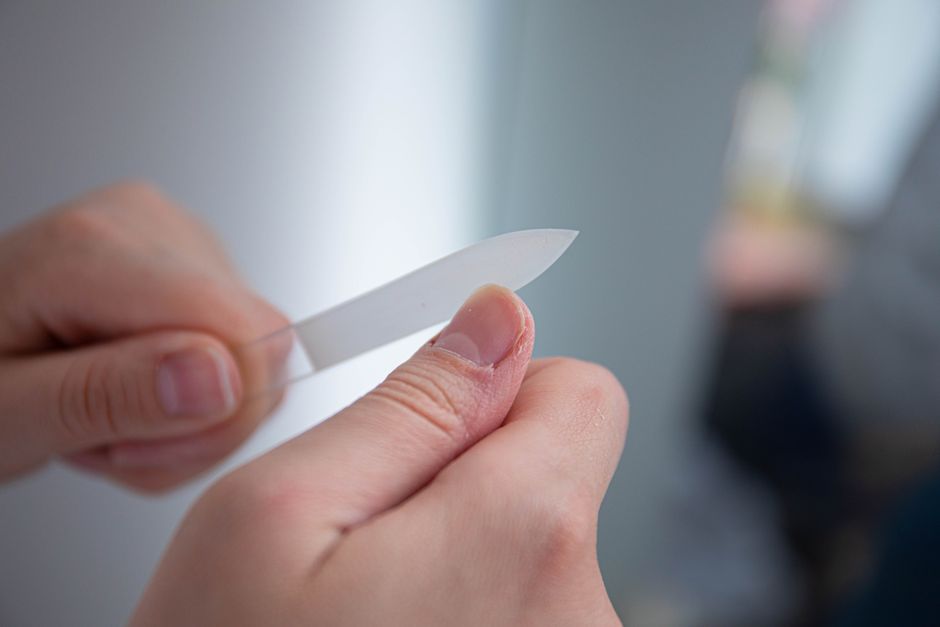
Cuticle oil is a blend of oils and conditioning agents applied to the skin around the fingernails and toenails. Its main job is to keep that skin—the cuticle and the surrounding nail folds—soft, hydrated, and intact. Healthy cuticles act as a protective seal, keeping moisture in the nail and preventing bacteria and fungi from getting under the skin. Regular use of cuticle oil helps prevent dry, cracked, and peeling cuticles, which in turn supports stronger, healthier-looking nails.
What Does Cuticle Oil Do for Your Nails?
Cuticle oil does more than just soften skin. It works on the nail plate itself. The nail grows from a area called the matrix, which sits under the cuticle. When the cuticle is dry and cracked, it can pull away from the nail plate. This opening creates a gap where irritants can enter.
By keeping the cuticle flexible, the oil maintains a tight seal around the nail. This seal protects the matrix from damage. A protected matrix grows a smoother, stronger nail. Oil also penetrates the nail plate itself, reducing brittleness and preventing the nail from splitting or peeling at the edges.
Think of cuticle oil as maintenance. It does not make nails grow faster. No oil can change your genetics or your nail growth rate. What it does do is prevent the damage that slows growth and weakens the nail structure. Nails that do not break or peel will appear longer and healthier over time.
What Are the Main Ingredients in Cuticle Oil?
Most cuticle oils contain a mix of carrier oils, and sometimes vitamins. The most common and best-researched ingredients include:
- Jojoba oil — Its molecular structure is very similar to the sebum your skin naturally produces. This makes it absorb quickly and deeply without leaving a greasy residue.
- Vitamin E — A fat-soluble antioxidant. It helps neutralize free radicals that damage skin cells, though evidence for its direct benefit on nail strength is limited.
- Sweet almond oil — A lightweight emollient that traps moisture in the skin.
- Shea butter or lanolin — Heavier occlusives that form a barrier to prevent water loss from the skin.
- Glycerin or hyaluronic acid — Humectants that draw water into the outer skin layer. These are common in newer water-based formulations.
There is no single best ingredient. The effectiveness of an oil depends on how well it matches your skin and how consistently you use it. Jojoba is often favored because it absorbs well, but a heavier oil like castor oil may be better for very dry hands in winter.
How Often Should You Apply Cuticle Oil?
Consistency matters more than quantity. Applying a small drop to each nail once daily is a reasonable starting point. If your hands are frequently washed, exposed to cold, or in contact with chemicals, you may need to apply it two or three times a day.
Best results come from applying oil right after washing your hands. Your skin is still slightly damp, and the oil locks in that moisture. You can apply it before bed as well, allowing it to work overnight without being washed off.
There is no clinical guideline that specifies a universal frequency. The right amount depends on your skin type, your environment, and your daily habits. A good rule is to apply whenever your cuticles feel tight, look dry, or show any signs of cracking.





Does Cuticle Oil Help Treat Hangnails?
Hangnails are small tears in the skin at the side of the nail. They are not actually part of the nail itself. They form when the cuticle becomes dry and brittle, then catches on clothing or other objects and tears.
Cuticle oil helps prevent hangnails by keeping that skin flexible. It does not treat an existing hangnail. You should not apply oil to an active hangnail and expect it to heal. The correct approach is to trim the hangnail carefully with clean cuticle nippers, then apply oil to the area to keep the new skin soft.
Never pull or bite a hangnail. Pulling removes a larger piece of skin and creates an open wound. This increases the risk of infection. If the area becomes red, swollen, or painful, it may be infected and should be evaluated by a healthcare provider.
Can Cuticle Oil Prevent Nail Infections?
Indirectly, yes. The cuticle is a physical barrier. When it is intact, it blocks bacteria, fungi, and other pathogens from entering the space under the nail. Dry, cracked cuticles compromise that barrier.
Keeping the cuticle moisturized reduces the likelihood of cracks and tears. Fewer cracks mean fewer entry points for pathogens. However, cuticle oil is not an antimicrobial product. It does not kill bacteria or fungi. If you already have an infection, oil alone will not clear it.
For people who get frequent manicures, cuticle oil is especially important. Manicure tools and the pushing back of cuticles can cause micro-tears in the skin. Regular oiling helps repair that damage quickly.
Are There Any Risks or Side Effects?
Cuticle oil is generally safe for most people. The most common issue is contact dermatitis from fragrance or essential oils. If you have sensitive skin, choose a fragrance-free product and test it on a small area first.
People with nut allergies should check labels carefully. Many oils, including sweet almond oil and some formulations of shea butter, are derived from nuts. If you have a known nut allergy, look for products made with jojoba, sunflower, or mineral oil instead.
Do not apply cuticle oil to broken skin or open wounds. The oil itself is not harmful, but it can trap bacteria against the wound and increase infection risk. Wait until the skin heals before resuming regular oil application.
One common misconception is that cuticle oil can treat fungal nail infections. It cannot. Fungal infections require antifungal medication, which is available over the counter or by prescription. Oil applied on top of an infected nail may temporarily soften the surface, but it will not eliminate the fungus.
Cuticle Oil vs. Cuticle Cream: Which Is Better?
Both products work similarly. The difference is mostly in texture and formulation.
Cuticle oil is lighter and absorbs faster. It works well for daytime use and for people who dislike a greasy feeling. Cuticle cream is thicker, often containing butters and waxes. It provides a longer-lasting barrier and is better for overnight use or for very dry skin.
There is no evidence that one is more effective than the other. The best choice is the product you will actually use consistently. If you prefer a quick-drying oil you can apply at your desk, choose oil. If you want a rich treatment before bed, choose cream.
| Feature | Cuticle Oil | Cuticle Cream |
|---|---|---|
| Texture | Liquid, fast-absorbing | Thick, creamy |
| Best time to use | Daytime, on the go | Nighttime, deep treatment |
| Absorption speed | Fast | Slow |
| Best for | Normal to slightly dry cuticles | Very dry or damaged cuticles |
Does Cuticle Oil Actually Make Nails Stronger?
This requires a careful answer. Cuticle oil does not change the chemical composition of the keratin that makes up your nail. It cannot make your nails inherently harder or denser.
What it does do is prevent the conditions that make nails weak. Dry nails are more brittle and prone to peeling. By maintaining moisture in the nail plate, cuticle oil reduces the mechanical stress that causes breakage. A nail that does not break is effectively stronger in everyday use.
Some research suggests that certain oils, particularly jojoba, can penetrate the nail plate and improve flexibility. Flexible nails are less likely to crack under pressure than rigid, dry nails. This is a physical effect, not a chemical change in the nail itself.
If your nails are genuinely weak and breaking despite regular oiling, the cause may be internal. Nutritional deficiencies, thyroid conditions, or repeated wet-dry cycles can all weaken nails. In that case, cuticle oil will not solve the problem. A healthcare provider can help identify the underlying cause.
Frequently Asked Questions
How long does cuticle oil take to work?
You will notice softer cuticles within a few days of daily use. Nail improvements, like reduced peeling, typically take several weeks since nails grow slowly.
Can you use cuticle oil every day?
Yes, daily use is safe and recommended for most people. Apply more often if your hands are frequently washed or exposed to dry conditions.
Does cuticle oil help nails grow faster?
No. Cuticle oil does not speed up nail growth. It prevents breakage and peeling, so your nails may appear longer because they are not breaking.
Can I use cuticle oil on my toenails?
Yes. Toenails and their cuticles benefit from the same moisturizing treatment. Apply it after showering when the skin is soft.
