
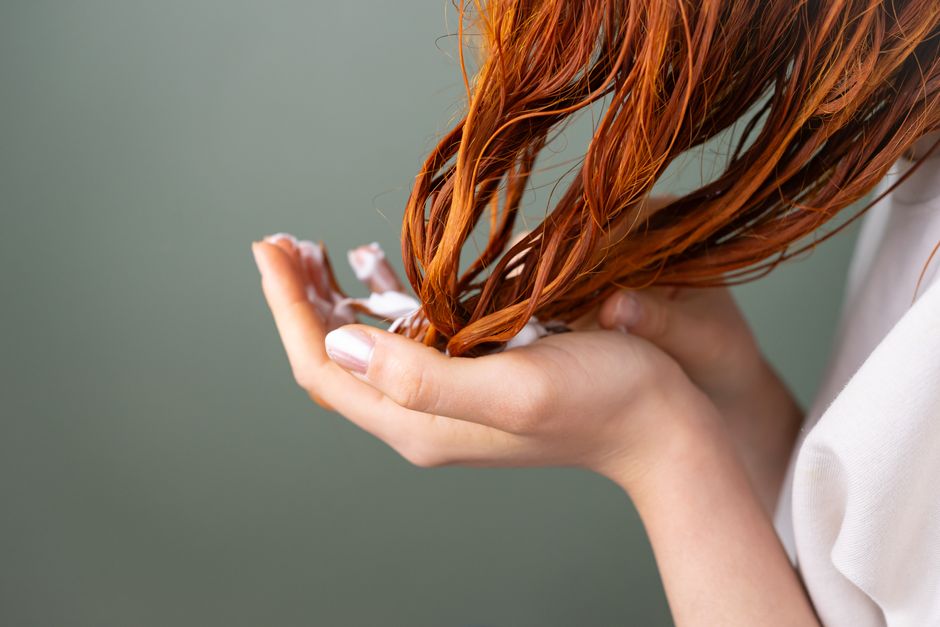
Conditioner does the same basic job for straight hair as it does for any other hair type: it smooths the outer layer of each strand, reduces friction, and adds moisture. For straight hair specifically, the main benefits are less frizz, easier detangling, and a smoother, shinier finish. The main risk is that too much conditioner, or the wrong kind, can weigh straight hair down, making it look flat, greasy, or stringy by the end of the day.
How Does Conditioner Actually Work on Hair?
To understand what conditioner does, you need to know a little about hair structure. Each strand has an outer layer called the cuticle. It is made of overlapping cells, like shingles on a roof. When the cuticle lies flat, hair looks smooth and reflects light well. When the cuticle is raised or damaged, hair looks dull and feels rough.
Conditioner coats the hair with ingredients called cationic surfactants and fatty alcohols. These molecules have a positive charge, and damaged or wet hair has a negative charge. The positive and negative charges attract, so the conditioner clings to the hair shaft. This coating smooths the cuticle down and adds a layer of protection.
This is true for all hair types. The difference with straight hair is how the hair behaves once coated.
What Does Conditioner Do To Straight Hair Benefits Risks
Straight hair has a round cross-section and the natural oils from your scalp travel down the shaft more easily than they do in curly or coily hair. That is why straight hair often looks shinier naturally. It is also why it gets oily at the roots faster.
The benefits of conditioner for straight hair are real. It reduces friction between strands, which means less breakage when you brush or style. It makes hair softer to the touch. It helps with flyaways and static, especially in dry climates or winter months. It also protects hair from heat damage when you use a blow dryer or flat iron, because the coating acts as a buffer between the heat and the hair protein.
The risks are mostly about overuse. Because straight hair is already naturally slick, adding heavy conditioner can make it look greasy at the roots. It can also make fine straight hair look limp. The hair gets coated so thoroughly that it loses volume and movement. This is not damage to the hair itself. It is a cosmetic issue, but for many people it is the main reason they skip conditioner entirely.
What Happens If You Skip Conditioner on Straight Hair?
If you stop using conditioner, your straight hair will not fall out or break off immediately. But over time, the cuticle will become more raised. Hair will feel rougher and look duller. Detangling wet hair without conditioner is harder, and that is when most breakage happens. Wet hair is more elastic and more fragile than dry hair. Pulling a brush through tangled, un-conditioned wet hair stretches the strands past their limit and they snap.
Some people with very fine, straight hair find that skipping conditioner works fine for them, especially if they have short hair or wash daily. Others find their hair becomes unmanageable. There is no universal rule. It depends on your hair’s thickness, your water hardness, and how often you wash.




How to Choose the Right Conditioner for Straight Hair
The key is matching the conditioner weight to your hair weight. Fine, thin, straight hair needs a lightweight formula. Look for words like “lightweight,” “volumizing,” or “for fine hair” on the label. These products use lighter oils and fewer heavy butters. They coat the hair without flattening it.
Thick or coarse straight hair can handle richer formulas. These contain heavier ingredients like shea butter, argan oil, or coconut oil. They provide more moisture and smoothing, and the hair is heavy enough that it will not be weighed down.
Here are some practical rules that work for most people with straight hair:
- Apply conditioner mainly to the mid-lengths and ends, not the scalp.
- Rinse thoroughly. Leftover product is a common cause of limp hair.
- If your hair feels greasy by midday, switch to a lighter formula before you stop conditioning entirely.
- Once or twice a week, use a clarifying shampoo to remove product buildup.
Can Conditioner Fix Damaged Straight Hair?
No. Conditioner cannot repair hair that is already damaged. It can make damaged hair look and feel better temporarily. The coating fills in gaps in the cuticle, which makes the hair appear smoother. But the underlying protein structure is still broken.
The only true fix for split ends is cutting them off. Conditioner will not fuse split ends back together, despite what some product labels suggest. It can temporarily glue them so they look sealed, but the seal breaks the next time you wash your hair.
If your straight hair is damaged from heat styling or chemical treatments, a deep conditioning mask once a week can help. It will not rebuild the hair, but it improves elasticity and reduces further breakage while the hair grows out.
Does Conditioner Make Straight Hair Grow Faster?
No. Conditioner has no effect on hair growth rate. Hair grows from the follicle, which is under the scalp. Nothing you put on the outside of the hair shaft changes how fast the follicle produces new cells.
What conditioner can do is reduce breakage. If your hair is snapping off at the ends as fast as it grows, it will never seem to get longer. By reducing friction and making hair easier to detangle, conditioner helps you retain the length you grow. This is a real benefit, but it is not the same as speeding up growth.
Common Conditioner Mistakes With Straight Hair
The most common mistake is applying conditioner to the scalp. The scalp produces sebum, your natural oil. Adding more moisture there is unnecessary and makes hair look greasy fast. Focus on the ends, which are the oldest and driest part of the hair.
The second mistake is using too much product. A coin-sized amount is usually enough for shoulder-length straight hair. More than that just sits on the hair and attracts dirt and dust throughout the day.
The third mistake is not rinsing thoroughly. Conditioner residue is a magnet for buildup. It makes hair look dull and feel waxy. Rinse until the water runs completely clear and the hair squeaks slightly when you squeeze it.
Leave-In Conditioner vs. Rinse-Out for Straight Hair
Rinse-out conditioner is the classic product you use in the shower and wash away. Leave-in conditioner is applied to damp hair after washing and left in. Both have a place for straight hair.
Rinse-out conditioner provides the main dose of moisture and slip. Leave-in conditioner offers lighter, ongoing protection and is useful for detangling after the shower. For fine straight hair, a spray leave-in is often better than a cream, because creams can be too heavy.
You do not need both every day. Many people with straight hair use rinse-out conditioner on wash days and a tiny bit of leave-in only when they need extra smoothness or heat protection.
When Conditioner Is Not the Answer
If your straight hair is suddenly dry, brittle, or falling out more than usual, conditioner will not fix it. Sudden changes in hair texture or volume can signal a medical issue. Thyroid problems, iron deficiency, and severe stress can all affect hair. If your hair changes noticeably over a few weeks, see a doctor before buying more hair products.
Also, hard water can make conditioner less effective. Minerals in hard water build up on hair and block the conditioner from absorbing. If your hair feels coated or stiff no matter what product you use, a chelating shampoo that removes mineral buildup might help more than a new conditioner.
Frequently Asked Questions
Is it bad to use conditioner on straight hair every day?
It is not bad, but it is often unnecessary. Daily conditioning can weigh fine straight hair down and make it look flat. Most people with straight hair do well conditioning two to three times per week.
Why does my straight hair look greasy after using conditioner?
You are likely applying it to your scalp or using a formula that is too heavy for your hair. Move the conditioner to the mid-lengths and ends only, and try a lighter product.
Can conditioner help with frizzy straight hair?
Yes, to a degree. Conditioner smooths the cuticle and adds moisture, which reduces the roughness that causes frizz. For straight hair, a lightweight leave-in conditioner often controls frizz without flattening the hair.
Does conditioner cause hair loss?
No. Conditioner does not cause hair loss. If you see extra hair in the drain after conditioning, it is hair that already shed from the follicle and the conditioner simply made it slippery enough to rinse away.
