
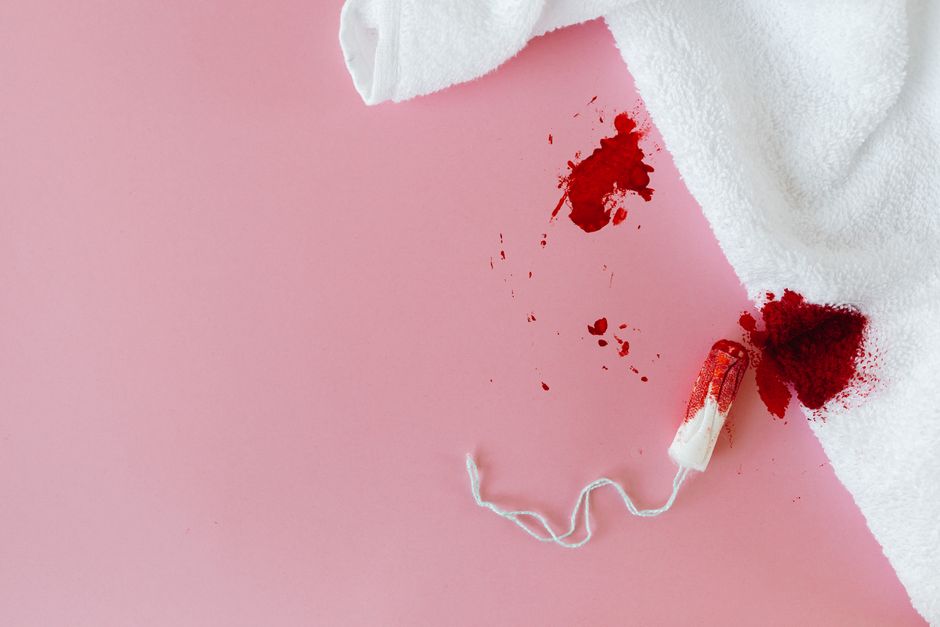
Menstrual blood changes color throughout a period, and those colors are normal biological signals, not random variation. The color comes from how long the blood has taken to leave the uterus and how much it has interacted with oxygen along the way. Fresh, fast-flowing blood is bright red. Blood that sits longer before exiting turns darker — brown, dark red, or even nearly black. Color alone rarely means something is wrong, but certain colors paired with other symptoms are worth a doctor’s attention.
What Does The Color Of Your Period Blood Mean?
Menstrual blood is not just blood. It is a mix of blood, cervical mucus, and endometrial tissue shed from the lining of the uterus. That mixture, plus how long it spends in the body before leaving, determines what you see on a pad, tampon, or in the toilet.
The key variable is oxygen exposure. When blood leaves the body quickly, it stays bright red because hemoglobin — the oxygen-carrying protein in red blood cells — is still oxygenated. When blood lingers in the uterus or vagina, hemoglobin loses oxygen and darkens. This is the same reason a small cut bleeds bright red at first and a bruise looks dark purple days later. The color shift is chemistry, not a warning sign by itself.
Menstrual flow also changes speed over the course of a period. Many people notice brighter blood on heavier days and darker blood toward the end, when flow slows and older blood exits. That pattern is typical. What matters more than any single color is whether the color is new for you, whether it comes with pain, odor, or unusual clotting, and whether it lasts beyond your normal cycle pattern.
What Do the Different Period Blood Colors Mean?
Each color reflects a different stage of blood freshness or a different mix of fluids. Here is what the common shades generally indicate.
- Bright red: Fresh blood leaving the body quickly. Common at the start of a period or on the heaviest days.
- Dark red: Blood that has spent a bit longer in the body. Often seen in the middle to later days of a period.
- Brown or dark brown: Older blood that has been exposed to oxygen for longer. Common at the very start or very end of a period, and sometimes as light spotting between periods.
- Black: Usually the oldest blood, often at the tail end of a period. In most cases it is normal, but very dark blood paired with a strong odor or unusual discharge can point to something else.
- Pink: Blood mixed with cervical fluid or a lighter flow. Can appear at the start of a period, during ovulation spotting, or with certain hormonal birth control methods.
- Orange: Blood mixed with cervical mucus. Sometimes associated with infection when it comes with an unusual odor, itching, or discomfort.
- Gray: Not a typical period color. Gray discharge can suggest an infection and is worth a medical evaluation.
One clarification worth knowing: the color of period blood is not a reliable indicator of hormone levels, fertility, or “toxin buildup.” Those claims circulate widely online but are not supported by clinical evidence. Color tells you about freshness and mixture, not about detoxification.
Why Is My Period Blood Brown at the Start or End?
Brown blood at the beginning or end of a period is one of the most common questions, and it is almost always normal. At the start of a period, the first blood to leave may be left over from the previous cycle, sitting in the uterus or vagina and losing oxygen. At the end, the remaining flow is slow, so blood has more time to darken before it exits.
Brown spotting between periods can have other causes. Ovulation spotting, hormonal birth control, perimenopause, and early pregnancy can all produce brown discharge. If brown spotting is new, persistent, or accompanied by pain, it is reasonable to check with a clinician rather than assume it is routine.





When Should You Be Concerned About Period Blood Color?
Color by itself is rarely the problem. The context around it is what matters. Certain combinations of color and symptoms deserve a medical look.
- Gray discharge, especially with a foul odor, fever, or pelvic pain
- Bright red bleeding that soaks through a pad or tampon every hour for several hours
- Bleeding between periods that is new or getting heavier
- Bleeding after menopause, which should always be evaluated
- Large clots — bigger than a quarter — passed frequently
- Yellow or green discharge with itching, burning, or odor
- Period blood with a strong, persistent odor that does not improve with hygiene
None of these symptoms automatically means something serious. But each one is a reason to get checked rather than wait. Bleeding after menopause, in particular, is a symptom that clinicians take seriously because it can have several causes that need to be ruled out.
What Causes Black Period Blood?
Black period blood is usually just very old blood. It has spent the longest time in the uterus or vagina, and hemoglobin has lost most of its oxygen. Many people see black blood at the very end of a period, when flow is slow and the last of the lining is leaving.
In some cases, black blood can be linked to other causes. Retained blood from a blocked flow, an infection, or a foreign body such as a forgotten tampon can produce dark discharge. If black blood comes with a strong odor, pain, fever, or discharge that looks unusual, it should be evaluated. On its own, though, black blood at the end of a period is not a red flag.
Does Period Blood Color Change With Age or Birth Control?
Yes, color can shift with both age and hormonal birth control, and these shifts are usually expected.
During perimenopause — the years leading up to menopause — cycles often become irregular. Flow may be lighter or heavier, and color may vary more than it used to. Brown spotting between periods becomes more common. This is a normal part of the hormonal transition, though new or heavy bleeding during this stage should still be checked.
Hormonal birth control changes the lining of the uterus and often makes periods lighter. Lighter flow tends to be darker because it moves more slowly. Some people on hormonal contraception notice brown or pink spotting, especially in the first few months or with methods like the implant or hormonal IUD. This is a known effect and usually not a sign of a problem, but persistent or heavy breakthrough bleeding is worth mentioning to a clinician.
Can Period Blood Color Tell You About Your Health?
Color offers some information, but it is a limited signal. It can tell you roughly how fresh the blood is and whether it is mixed with cervical fluid. It cannot reliably tell you about hormone balance, fertility, or underlying disease on its own.
What is more useful than color alone is the full picture: cycle length, flow volume, clotting, pain, odor, and any changes from your normal pattern. A single unusual color in an otherwise normal cycle is rarely meaningful. A pattern change — new brown spotting every month, bleeding between periods, or a sudden shift in flow — is what usually prompts a clinician to look further.
If you are tracking your cycle and notice something that does not fit your usual pattern, write down what you see and when. That record is more helpful to a clinician than the color alone, because it shows whether the change is a one-time event or a trend.
Frequently Asked Questions
Is brown period blood a sign of pregnancy?
Brown spotting can occur in early pregnancy, often called implantation bleeding, but it is not a reliable sign on its own. Many other things cause brown spotting, so a pregnancy test is the only way to know.
What does black period blood mean?
Black period blood is usually old blood that has taken longer to leave the body, most often at the end of a period. If it comes with a strong odor, pain, or fever, it should be checked by a doctor.
Is bright red period blood normal?
Yes, bright red blood is normal and typically means the blood is fresh and flowing quickly. It is most common at the start of a period or on heavier days.
When should I worry about the color of my period blood?
Gray discharge, bleeding after menopause, bleeding between periods, or blood with a foul odor and fever are all reasons to see a doctor. Color alone is rarely a concern, but these combinations are.
