
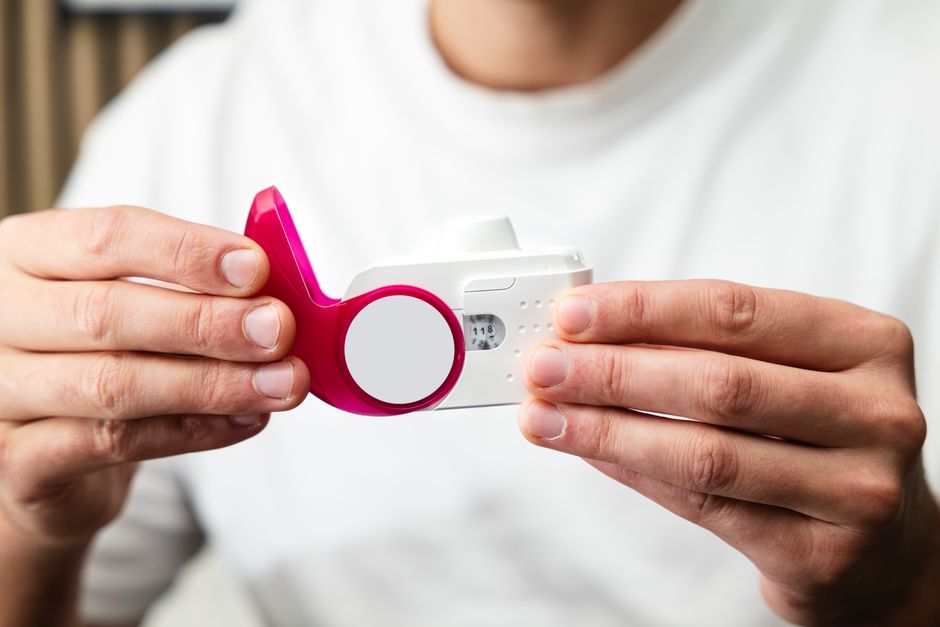
Testing for gastritis usually starts with a conversation and a blood test, not a camera. The two most common first steps are a blood test for H. pylori antibodies or antigens and a stool antigen test. A breath test is used to detect an active H. pylori infection, but it does not diagnose gastritis itself. Endoscopy with biopsy is the only test that can directly confirm inflammation of the stomach lining and rule out other conditions. Each test answers a different question, which is why doctors often use more than one.
What Does “Gastritis” Actually Mean?
Gastritis is inflammation of the stomach lining, called the gastric mucosa. It is a tissue diagnosis. That means the only way to confirm it directly is to look at a sample of that tissue under a microscope.
This is the part many people miss. A blood test or breath test can show whether H. pylori is present. H. pylori is the most common cause of chronic gastritis worldwide. But finding the bacteria is not the same as confirming that inflammation is actually happening in the stomach lining. Some people carry H. pylori with minimal or no visible inflammation. Others have gastritis from causes unrelated to H. pylori.
Common causes include long-term use of nonsteroidal anti-inflammatory drugs (NSAIDs) like ibuprofen and naproxen, heavy alcohol use, and autoimmune conditions in which the body attacks its own stomach lining cells. Stress from severe illness, injury, or major surgery can also cause a sudden form of gastritis. Many cases have no clear single cause.
Because symptoms of gastritis overlap heavily with ulcers, acid reflux, gallbladder problems, and functional indigestion, testing matters. The right test depends on what your doctor is trying to find.
How Do Doctors Test for Gastritis With a Breath Test?
The breath test detects an active H. pylori infection by measuring a gas you exhale after swallowing a special solution. It is one of the most reliable non-invasive ways to check for active infection.
Here is how it works. You swallow a solution containing urea labeled with a harmless form of carbon. If H. pylori is in your stomach, the bacteria break down that urea and release labeled carbon dioxide. That carbon dioxide travels through your bloodstream to your lungs, and you breathe it out. A sample of your breath is collected and analyzed.
The test is simple, but the preparation matters. If you do it wrong, you can get a false result.
- You usually need to stop taking proton pump inhibitors (like omeprazole or esomeprazole) for about two weeks before the test.
- Antibiotics and bismuth-containing medicines (like Pepto-Bismol) are typically stopped for about four weeks beforehand.
- You fast for several hours before the test.
Your doctor will give you exact instructions. Follow them closely, because acid-suppressing drugs and antibiotics can suppress H. pylori and cause a false negative.
What the breath test cannot do is confirm gastritis on its own. It tells you whether active H. pylori is present. It does not show inflammation, ulcers, or tissue damage. A positive result raises the likelihood of H. pylori-related gastritis, but a biopsy is still the only way to see the tissue directly.
What Does a Blood Test for Gastritis Show?
A blood test can detect antibodies your immune system makes against H. pylori. It can also reveal signs of anemia or vitamin B12 deficiency, which sometimes occur with certain types of chronic gastritis.
The key limitation: H. pylori antibody tests stay positive for months or years after the infection is gone, even after successful treatment. That means a positive blood antibody test cannot tell you whether you have an active infection right now or an old one that has cleared.
Because of this, antibody blood tests are less useful than stool or breath tests for confirming active infection. Many guidelines now favor stool antigen tests and breath tests over blood antibody tests for that reason.
Other blood findings can support the picture. Low iron or low B12 can point toward a problem with stomach acid production or absorption, which sometimes happens in autoimmune gastritis. These are clues, not confirmations. They tell your doctor to look further.
There is no blood test that directly diagnoses gastritis. Blood tests help identify a cause and flag related problems, but they do not show the stomach lining itself.




When Is Endoscopy Needed to Diagnose Gastritis?
Endoscopy is the most direct way to diagnose gastritis. A thin flexible tube with a camera is passed down your throat to look at the stomach lining, and small tissue samples (biopsies) are taken. A pathologist examines those samples under a microscope.
This is the only test that can confirm gastritis as a tissue diagnosis. It can also identify the type of gastritis, check for ulcers, and detect early changes that could lead to stomach cancer.
Not everyone with stomach symptoms needs endoscopy. Doctors often reserve it for specific situations:
- Alarm symptoms such as difficulty swallowing, vomiting blood, black stools, unexplained weight loss, or persistent vomiting
- Age above a certain threshold, which varies by guideline and country
- Symptoms that do not improve after treatment
- A need to rule out ulcers or cancer
- Confirmation of a diagnosis when the cause is unclear
During the procedure, which usually takes about 15 to 30 minutes, you are typically sedated. Most people tolerate it well. Risks are uncommon but include bleeding, perforation, and reactions to sedation. Your doctor can explain the risks for your specific situation.
Endoscopy is not a first-line test for everyone with indigestion. For younger people without alarm symptoms, a non-invasive approach is often tried first. The decision depends on your age, symptoms, history, and risk factors.
How Do These Tests Compare?
Each test answers a different question. That is the single most useful thing to understand about gastritis testing.
| Test | What It Detects | Confirms Gastritis? | Notes |
|---|---|---|---|
| Breath test | Active H. pylori infection | No | Requires fasting and stopping certain medicines |
| Stool antigen test | Active H. pylori infection | No | Useful before and after treatment |
| Blood antibody test | Past or present H. pylori exposure | No | Cannot distinguish active from past infection |
| Endoscopy with biopsy | Inflammation, ulcers, tissue changes | Yes | The only direct tissue diagnosis |
In practice, doctors often combine tests. A breath or stool test checks for active H. pylori. If treatment is given, a follow-up test confirms the infection cleared. Endoscopy is used when the diagnosis is unclear or when alarm features are present.
What Happens If Your Test Is Positive?
A positive H. pylori test usually leads to treatment with antibiotics plus an acid-suppressing medicine. After treatment, doctors typically repeat a breath or stool test to confirm the infection is gone. This is important because H. pylori can be resistant to some antibiotics.
If endoscopy shows gastritis, treatment depends on the cause. H. pylori-related gastritis is treated by clearing the infection. NSAID-related gastritis is managed by stopping the offending medicine when possible and reducing stomach acid. Autoimmune gastritis is managed differently, often with vitamin B12 monitoring and replacement when needed.
One clarification worth knowing: symptoms often do not match the amount of inflammation seen on biopsy. Some people with significant gastritis feel fine. Others with mild inflammation have real discomfort. This is one reason testing, rather than symptoms alone, guides decisions.
Talk with your doctor about which test fits your situation. The right choice depends on your symptoms, history, medicines, and what your doctor needs to rule out.
Frequently Asked Questions
Can a breath test diagnose gastritis by itself?
No. A breath test detects active H. pylori infection, not inflammation of the stomach lining. Only endoscopy with biopsy can confirm gastritis directly.
How accurate is a blood test for H. pylori?
Blood antibody tests can show whether you have been exposed to H. pylori, but they cannot tell active infection from a past one that has cleared. Stool and breath tests are generally preferred for confirming active infection.
Do I need to stop my stomach medicine before a breath test?
Often yes. Proton pump inhibitors are usually stopped for about two weeks, and antibiotics or bismuth medicines for about four weeks, before the test. Follow your doctor’s specific instructions to avoid a false result.
Is endoscopy always required to diagnose gastritis?
No. Endoscopy is typically reserved for people with alarm symptoms, older adults, or symptoms that do not improve. Younger people without warning signs often start with non-invasive testing.
