
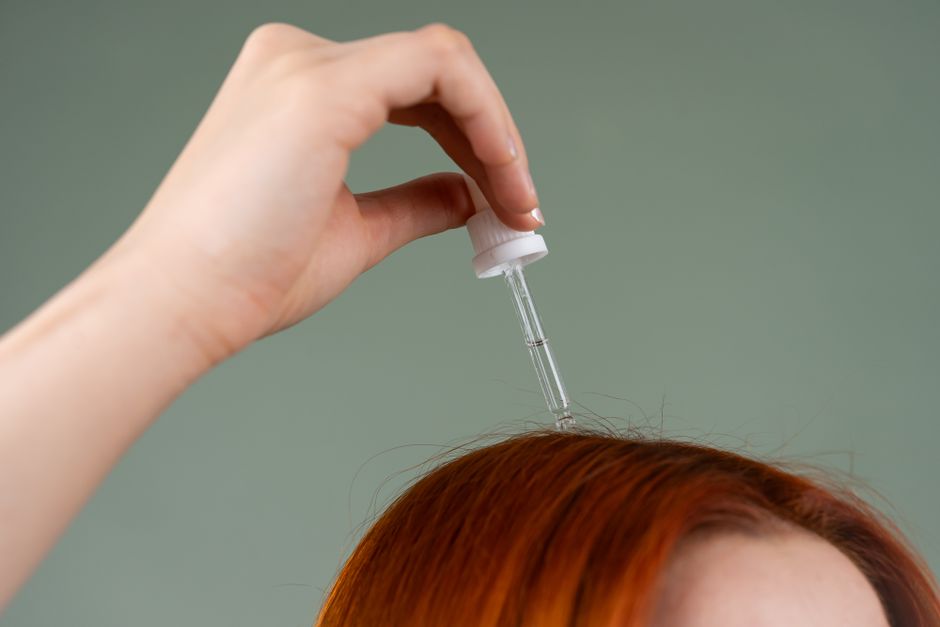
A scalp treatment works by improving the condition of the skin on your head, which creates a healthier environment for hair follicles to produce hair. These treatments target issues like excess oil, dryness, buildup, and poor circulation that can interfere with normal hair growth. While a scalp treatment alone cannot cure genetic hair loss, it can support thicker, healthier hair by removing obstacles that slow down the natural growth cycle.
How Does the Scalp Affect Hair Growth?
Your hair grows from follicles rooted in the scalp. The health of that skin directly influences how well each follicle functions. When the scalp is inflamed, clogged, or infected, the follicle cannot produce hair at its normal rate.
Each follicle goes through a growth cycle. The active growth phase lasts two to seven years for scalp hair. After that, the hair rests and eventually falls out. Anything that damages the follicle during this cycle can shorten the growth phase or cause the hair to shed earlier than it should.
The scalp also needs a good blood supply. Blood delivers oxygen and nutrients to the follicle. Conditions that reduce blood flow or cause chronic inflammation can weaken hair production over time.
What Problems Can a Scalp Treatment Fix?
Scalp treatments are designed to address specific conditions that interfere with hair growth. The most common issues include:
- Product buildup: Styling products, oils, and hard water minerals can coat the scalp and block follicles.
- Excess sebum: Overactive oil glands can trap dead skin cells and clog follicle openings.
- Dryness and flaking: A damaged skin barrier leads to itching and shedding of skin cells.
- Inflammation: Conditions like seborrheic dermatitis cause redness and irritation that disrupt follicle function.
- Poor circulation: Tight scalp tissue or systemic issues can reduce blood flow to the follicles.
Each of these problems is treatable. But the right treatment depends on which problem you actually have. Using a moisturizing treatment on an oily scalp can make things worse. Using a deep-cleansing treatment on a dry, irritated scalp can cause more damage.
What Does a Scalp Treatment Do For Hair Growth Specifically?
A scalp treatment does not force hair to grow faster. Instead, it removes the barriers that slow growth down. When the follicle is clean, oxygenated, and free of inflammation, it performs at its natural best.
Think of it like soil for a plant. The soil does not make the plant grow. But poor soil limits how well the plant can grow. A scalp treatment improves the growing conditions so the hair follicle can do its job.
Some treatments also stimulate blood flow to the area. Increased circulation brings more oxygen and nutrients to the follicle. This can support the active growth phase and help hair stay in that phase longer.
Treatments that reduce inflammation are particularly important. Chronic inflammation around the follicle can lead to a condition called fibrosis, where scar tissue forms. Once that happens, the follicle may stop producing hair permanently. Catching and treating inflammation early is one of the most valuable things a scalp treatment can do.




What Are the Different Types of Scalp Treatments?
Scalp treatments fall into several categories. Each works through a different mechanism.
Cleansing treatments remove buildup and excess oil. These are often called scalp scrubs or detox treatments. They typically contain gentle exfoliants like salicylic acid or physical granules that lift away dead skin and product residue.
Hydrating treatments restore moisture to a dry scalp. They usually contain humectants like glycerin or hyaluronic acid, along with soothing ingredients like aloe vera. A healthy moisture barrier prevents itching and flaking.
Anti-inflammatory treatments target conditions like dandruff and seborrheic dermatitis. These often contain ingredients like zinc pyrithione, ketoconazole, or coal tar. They reduce the yeast and inflammation that cause flaking and itching.
Stimulating treatments aim to increase blood flow. Ingredients like caffeine, peppermint oil, or niacin are common. Some research suggests these can slightly extend the growth phase of the hair cycle, though results vary.
Medical-grade treatments are available from dermatologists. These may include prescription-strength corticosteroids for inflammation or topical minoxidil, which is FDA-approved for hair regrowth. These are different from cosmetic scalp treatments and require a doctor’s evaluation.
What Evidence Supports Scalp Treatments?
The evidence is mixed depending on the type of treatment. Cosmetic scalp treatments have limited large-scale clinical trials. Most of what we know comes from smaller studies and dermatological experience.
Some research suggests that caffeine applied to the scalp can stimulate hair follicle activity in laboratory settings. A few small human studies have shown modest benefits. But no large, long-term trials have confirmed that caffeine treatments regrow hair in people with pattern baldness.
Treatments for dandruff and seborrheic dermatitis have stronger evidence. Ingredients like ketoconazole and zinc pyrithione are well studied. Reducing the inflammation and yeast overgrowth associated with these conditions does improve scalp health. Whether that translates to more hair growth is less clear, but some studies suggest it can help.
Minoxidil is the most evidence-backed topical treatment for hair growth. It is FDA-approved and has been studied for decades. It works by prolonging the growth phase of the hair cycle and increasing follicle size. This is a medical treatment, not a cosmetic scalp treatment, but it is often applied to the scalp in liquid or foam form.
Be cautious with products that promise dramatic regrowth. No cosmetic scalp treatment has been proven to reverse genetic hair loss. Anyone claiming otherwise is not supported by clinical evidence.
How Often Should You Get a Scalp Treatment?
There is no universal recommendation. The right frequency depends on your scalp type and the treatment you are using.
For a normal scalp, a gentle cleansing treatment once a week is reasonable. For an oily scalp, twice a week may be helpful. For a dry or sensitive scalp, once every two weeks is often enough.
Anti-inflammatory treatments for dandruff often follow a specific schedule. Many dermatologists recommend using medicated shampoos two to three times per week, then reducing to once a week once symptoms improve. Follow the instructions on the specific product you are using.
Stimulating treatments like caffeine serums are typically used daily. They are lightweight and do not interfere with styling. Consistency matters more than intensity for these products.
Listen to your scalp. If a treatment causes redness, burning, or increased itching, stop using it. Those are signs of irritation, not improvement.
Can Scalp Treatments Prevent Hair Loss?
Scalp treatments can prevent hair loss caused by scalp conditions. They cannot prevent genetic hair loss.
If your hair loss comes from a scalp problem like severe dandruff, psoriasis, or a fungal infection, treating that condition can stop the shedding. Once the scalp is healthy, hair usually regrows.
Genetic hair loss, also called androgenetic alopecia, is different. It is driven by hormones and genetics, not by scalp health. No amount of exfoliating or moisturizing will stop this type of loss. Treatments like minoxidil and finasteride are the evidence-backed options, and they work best when started early.
If you are losing hair, see a dermatologist before spending money on scalp treatments. They can determine the cause. Hair loss has many causes, including thyroid problems, iron deficiency, and stress. Treating the wrong thing wastes time and money.
What Ingredients Should You Look For?
Choose ingredients based on your specific scalp concern.
For buildup and oil: salicylic acid, charcoal, or gentle physical exfoliants.
For dryness: glycerin, hyaluronic acid, aloe vera, and ceramides.
For dandruff and itching: zinc pyrithione, ketoconazole, or selenium sulfide.
For stimulation: caffeine, peppermint oil, or niacinamide.
Avoid products with heavy fragrances and sulfates if you have a sensitive scalp. These can strip natural oils and cause irritation. Patch test any new product on a small area before applying it to your whole scalp.
Frequently Asked Questions
Can a scalp treatment regrow hair?
A scalp treatment can support regrowth when hair loss is caused by scalp conditions like dandruff, buildup, or inflammation. It cannot regrow hair lost to genetic pattern baldness.
How long does it take to see results from a scalp treatment?
Most people need at least eight to twelve weeks of consistent use before noticing a difference. Hair grows slowly, so visible changes take time.
Are scalp treatments safe for all hair types?
Most are safe, but the right product depends on your scalp type. Oily scalps need cleansing ingredients, dry scalps need hydrating ones, and sensitive scalps need fragrance-free formulas.
Should I see a doctor before starting a scalp treatment?
Yes, if you are experiencing noticeable hair loss, itching, or scalp pain. A dermatologist can identify the cause and recommend the right treatment instead of you guessing.
