
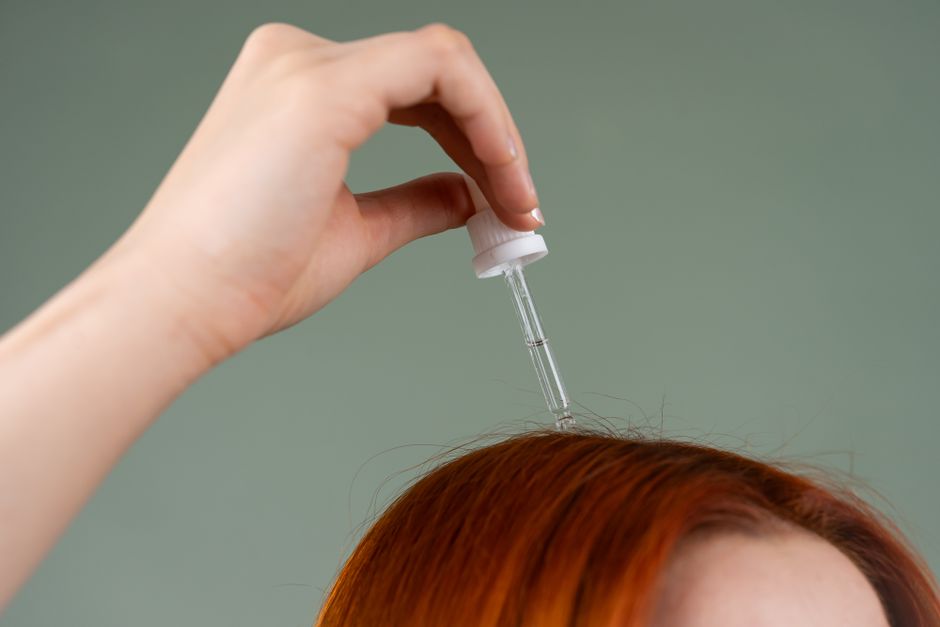
You just paid for a procedure that involves needles, your own blood, and a fair amount of hope. The last thing you want is to undo it in the first 48 hours. After PRP hair treatment, avoid alcohol, anti-inflammatory drugs like ibuprofen and aspirin, strenuous exercise, sauna and steam rooms, and washing or coloring your hair for at least 24 hours. Also skip blood thinners where possible and keep your scalp out of direct sun.
That list is short, but each item has a real reason behind it. PRP works through inflammation — the controlled kind — and anything that blunts that response or irritates the scalp can work against you. Here is what to avoid, why it matters, and which rules are built on solid ground versus which ones are more about caution than hard data.
What Is PRP Hair Treatment and How Does It Work?
Platelet-rich plasma (PRP) is made from a sample of your own blood. A centrifuge spins the sample to separate the red blood cells from the plasma, which is left with a high concentration of platelets. Those platelets carry growth factors. A clinician then injects that plasma into the scalp, usually across the areas of thinning.
The theory is straightforward. Growth factors may stimulate hair follicles, extend the growth phase of the hair cycle, and improve blood flow around the follicle. Androgens, particularly dihydrotestosterone (DHT), drive pattern hair loss in genetically predisposed people by shrinking follicles over time. PRP is not a DHT blocker. It is thought to work alongside that process rather than against it directly.
What the evidence actually shows is moderate. Some studies report increased hair density and thickness after a series of treatments. Results vary between studies, and the field still debates the best platelet concentration, the ideal number of sessions, and how long benefits last. The American Academy of Dermatology does not position PRP as a first-line treatment for androgenetic alopecia. It is often used as an add-on. That context matters, because the aftercare rules below are about protecting a modest, incremental effect — not a dramatic one.
What To Avoid After PRP Hair Treatment in the First 24 Hours?
The first day is when most of the practical restrictions apply. Your scalp has hundreds of tiny puncture sites, and the injected plasma is still diffusing through the tissue. Anything that increases blood flow to the skin, thins the blood, or introduces bacteria is a problem right now.
- Alcohol. It dilates blood vessels and has a mild blood-thinning effect. Both can increase bruising and may speed the clearance of the injected plasma from the scalp.
- NSAIDs — ibuprofen, aspirin, naproxen. These reduce inflammation and platelet function. The whole point of PRP is a platelet-driven response. If you take a daily aspirin for heart reasons, do not stop it on your own; call your prescribing doctor first.
- Strenuous exercise. Sweating, heat, and a rise in blood pressure and heart rate all work against a freshly treated scalp. Light walking is generally fine.
- Saunas, steam rooms, and hot showers. Heat increases circulation and sweating. Keep showers warm, not hot, and keep them short.
- Washing your hair. Most clinics ask you to wait at least 24 hours. Some say 48. Follow the specific instruction you were given — protocols differ between providers.
- Touching, scratching, or rubbing the scalp. This is the simplest rule and the easiest one to break without thinking.
- Hair dye, bleach, and chemical treatments. These contain irritants and should wait longer than 24 hours — see below.
One clarification worth making: the 24-hour window is a common clinical convention, not a figure that comes from a large controlled trial. It reflects reasonable wound-care logic. Different providers set different windows, and that variation is normal.
Can You Exercise After PRP Hair Treatment?
Skip intense workouts for the first day or two. That means no heavy lifting, no running intervals, no hot yoga, no contact sports. The concern is threefold: increased blood pressure, sweating, and the risk of bumping or irritating the scalp.
Light activity — a slow walk, normal daily movement — is generally considered fine. After the first 24 to 48 hours, most people can return to their usual routine. If your scalp is still tender or visibly swollen, give it another day. There is no benefit to rushing back, and no penalty for waiting.
Athletes sometimes ask whether sweat itself damages the follicles. It does not, in any direct sense. The issue is the heat, the friction, and the hands that tend to wander to a sweaty scalp.
When Can You Wash Your Hair and Use Styling Products?
Wait at least 24 hours before washing, and follow your clinic’s instruction if it says longer. When you do wash, use a gentle shampoo, lukewarm water, and your fingertips — not your nails. Pat the hair dry with a towel instead of rubbing.
Styling products are a gray area. Many providers advise avoiding gels, sprays, and pomades for the first 24 to 48 hours because they can irritate puncture sites or introduce bacteria. Others are less strict. The cautious approach costs you almost nothing, so it is the reasonable default.
Chemical treatments are a firmer no. Hair dye, bleach, perms, and relaxers should wait. Most providers suggest at least a week, and some suggest longer. These products are alkaline or oxidative, and a scalp with recent needle punctures is more vulnerable to irritation and chemical burns. If you have a color appointment already booked, move it.
Does Alcohol Affect PRP Results?
Alcohol is worth its own section because people underestimate it. It dilates blood vessels, which can increase bruising at the injection sites. It also has a mild antiplatelet effect and can dehydrate you.
Avoid alcohol for at least 24 hours after treatment. Some clinicians recommend 48 to 72 hours. There is no large trial that pins down the exact number of hours, so this is a case where the mechanism is clear but the precise window is a matter of clinical judgment.
If you drink heavily on a regular basis, that is a separate conversation with your doctor. Chronic heavy alcohol use affects nutrition, hormone levels, and overall health in ways that can influence hair independently of any single treatment.
What About Sun Exposure and Heat?
Keep your scalp out of direct sun for the first few days. The skin is inflamed and more sensitive than usual, and sunburn on a freshly treated scalp is both painful and avoidable. Wear a loose hat when you are outside. A tight hat that presses on the scalp is less ideal, so choose something with a relaxed fit.
Heat sources to avoid include blow dryers on high heat, flat irons, and curling irons for the first day or two. Saunas, steam rooms, and hot tubs fall into the same category. The concern is not that heat destroys growth factors — that is not well established. The concern is that heat increases blood flow and sweating, and both can worsen swelling and irritation.
Which Medications and Supplements Should You Pause?
This is the section to read carefully, because it involves real risks in both directions.
Drugs that reduce platelet function or increase bleeding risk can work against PRP and raise the chance of bruising. The common ones are NSAIDs, aspirin, and prescription blood thinners such as warfarin, apixaban, rivaroxaban, and clopidogrel. Some supplements also have mild blood-thinning effects, including fish oil, high-dose vitamin E, ginkgo, garlic, ginger, and turmeric.
Do not stop any prescription medication on your own. If you take a blood thinner for a heart condition, a prior clot, or a stroke, stopping it without medical supervision can be dangerous. Call the prescriber and ask. In many cases the answer is to continue the medication and accept a slightly higher bruising risk, because the alternative is worse.
For over-the-counter pain relief in the first day or two, acetaminophen (Tylenol) is the usual alternative because it does not affect platelets the way NSAIDs do. Ask your treating clinician before taking anything, including supplements.
Are There Habits That Undermine PRP Over the Long Term?
The 24-hour rules get most of the attention, but what you do over the following weeks and months may matter more.
Smoking is the clearest one. Nicotine constricts blood vessels and reduces blood flow to the skin, and smoking is associated with worse outcomes in many tissue-healing contexts. If you smoke, this is a genuine reason to consider quitting — not just for your hair.
Poor sleep, high stress, and crash dieting all affect hair through separate mechanisms. Severe calorie restriction and low protein intake can trigger telogen effluvium, a temporary shedding condition. That is not a PRP-specific issue, but it can easily be mistaken for treatment failure.
Finally, be realistic about the timeline. PRP is typically given as a series, and visible change is usually assessed over months, not weeks. Judging the result after one session is premature.
Which Aftercare Rules Are Evidence-Based and Which Are Just Caution?
Honesty matters here. Not every rule on a PRP aftercare sheet rests on strong data.
The strong ground: avoiding NSAIDs and blood thinners where medically safe, avoiding alcohol, and avoiding chemical hair treatments on a punctured scalp. These follow from well-understood physiology and standard wound care.
The reasonable-but-not-proven ground: the exact 24-hour washing window, the precise duration of exercise restriction, and how long to avoid styling products. These are clinical conventions. They are sensible, and following them costs you little. But no large trial has established the optimal numbers.
What is not supported: claims that a single misstep will ruin your results, or that specific supplements will boost PRP outcomes. No clinical evidence currently confirms that any supplement enhances PRP results.
Frequently Asked Questions
Can I wash my hair the day after PRP?
Most providers ask you to wait at least 24 hours, and some recommend 48. Follow the specific instruction from your clinic, since protocols vary.
Can I take ibuprofen after PRP hair treatment?
Avoid ibuprofen, aspirin, and naproxen for at least the first day or two because they reduce platelet function and inflammation. Acetaminophen is the usual alternative, but confirm with your treating clinician first.
How long after PRP can I color my hair?
Most providers suggest waiting at least a week before dye, bleach, or other chemical treatments. A scalp with recent needle punctures is more vulnerable to irritation from these products.
Can I drink alcohol after PRP hair treatment?
Avoid alcohol for at least 24 hours, and some clinicians suggest 48 to 72 hours. It dilates blood vessels and has a mild blood-thinning effect, which can increase bruising.
