
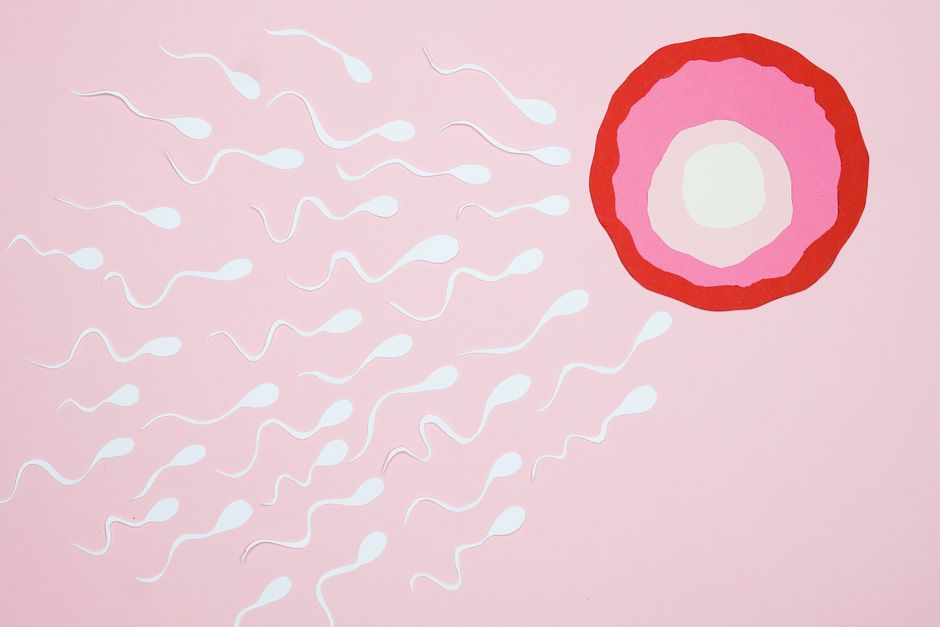
Ovulation during pregnancy does not happen. The hormonal system that triggers the release of an egg each month shuts down once a pregnancy is established, and it stays suppressed for the duration. This is not a rare exception or a matter of timing — the biology that makes ovulation possible is actively blocked by the same hormones that sustain the pregnancy.
You may have heard stories about women who ovulated while already pregnant, or read claims that a second egg can be released weeks into a pregnancy. Those stories usually trace back to a misunderstanding of how the menstrual cycle and early pregnancy overlap. This guide explains what is actually happening in the body, why ovulation stops, and what some of those confusing situations really mean.
Can You Ovulate During Pregnancy?
No. Ovulation is not possible once a pregnancy is underway, and the reason comes down to two hormones working together.
During a normal menstrual cycle, the pituitary gland in the brain releases follicle-stimulating hormone (FSH). FSH tells the ovaries to prepare a follicle — a small fluid-filled sac containing an egg — for release. Near the middle of the cycle, a surge of luteinizing hormone (LH) triggers that follicle to rupture and release the egg. That event is ovulation.
When a pregnancy begins, the developing embryo produces human chorionic gonadotropin (hCG). One of hCG’s jobs is to keep the corpus luteum — the leftover structure from the follicle that released the egg — producing progesterone. Progesterone levels stay high through early pregnancy, and that sustained progesterone sends a clear signal back to the brain: stop producing FSH and LH.
Without FSH and LH, no new follicle matures and no egg is released. The pituitary essentially goes quiet on this front for the entire pregnancy. Progesterone stays elevated, and the cycle stays paused until after birth.
Why Does Ovulation Stop During Pregnancy?
The shutdown is not a side effect. It is the mechanism that protects the pregnancy.
If a second egg were released and fertilized while a pregnancy was already in progress, the uterus would face a problem. The lining is already occupied and being maintained for the existing pregnancy. A second implantation would compete for the same space and hormonal support. The body prevents this by suppressing the entire ovulation pathway.
This is controlled by the hypothalamic-pituitary-ovarian axis — the communication loop between the brain and the ovaries. High progesterone from the corpus luteum, and later from the placenta, keeps the hypothalamus from sending its usual signals. The result is a hormonal environment where ovulation cannot be triggered, no matter how regular a woman’s cycles were before pregnancy.
That suppression is continuous. It does not lift in the second trimester or the third. It continues until the placenta is delivered and progesterone levels fall.
What About Getting Pregnant While Already Pregnant?
This is where most of the confusion starts, and it is worth being precise.
There is a documented phenomenon called superfetation — a second pregnancy beginning while a first pregnancy is already established. It has been reported in a small number of human cases, and it is genuinely rare. In most of those reported cases, the two pregnancies were conceived in the same cycle or within a very short window, before the hormonal suppression of ovulation was fully in place.
Superfetation is well documented in some animals, including certain rodents and rabbits, where the hormonal setup is different. In humans, the evidence consists of case reports rather than large studies, and the mechanism by which it could occur is not fully understood. What is clear is that it is not the same thing as ovulating mid-pregnancy. In the rare cases that have been described, the timing suggests conception happened before the pregnancy’s hormonal block was fully established.
So when someone says they “ovulated during pregnancy,” the more likely explanation is one of the following:
- They conceived a second time in the same cycle, before the pregnancy was confirmed.
- They had bleeding or symptoms that were mistaken for a period, leading to a miscalculated conception date.
- They were carrying twins conceived at slightly different times within the same cycle.
- An early ultrasound dating was off, making it look like two conceptions happened far apart when they did not.





Can You Get Pregnant While Pregnant?
For practical purposes, no. The hormonal block that stops ovulation also prevents a new pregnancy from starting.
The rare superfetation cases aside, the physiology does not allow for a new conception once progesterone has risen and FSH and LH are suppressed. This is why women who are already pregnant are not considered at risk of a second pregnancy, and why pregnancy is not a method of birth control that needs a backup for this particular reason.
There is one important exception worth knowing about, and it is not about ovulation. A woman can release more than one egg in a single cycle before pregnancy begins. If two eggs are released and both are fertilized, the result is fraternal twins. Those twins were conceived at the same time, not at different times during the pregnancy. This is a normal and relatively common event, and it is often confused with the idea of a second pregnancy starting later.
Can You Still Have Periods During Pregnancy?
No, but bleeding during pregnancy is common and often gets mistaken for a period.
A true menstrual period happens when the uterine lining sheds after an egg is not fertilized. During pregnancy, the lining is not shed — it is maintained and thickened to support the pregnancy. So a real period cannot occur.
Bleeding that looks like a period can still happen, especially in early pregnancy. Some causes include:
- Implantation bleeding, when the fertilized egg attaches to the uterine lining
- Subchorionic bleeding, a collection of blood between the placenta and the uterine wall
- Hormonal changes that cause light spotting
- Cervical irritation or infection
- In some cases, a sign of a problem such as an ectopic pregnancy or miscarriage
Any bleeding during pregnancy should be reported to a healthcare provider. Some causes are harmless, but others need evaluation. This is not a situation to self-diagnose from an article.
How Do You Know If You Are Ovulating?
Ovulation signs are useful for tracking fertility when you are trying to conceive, but they do not apply during pregnancy because ovulation is not happening.
Outside of pregnancy, the main signs of ovulation include:
- A rise in basal body temperature, usually about 0.5 to 1 degree Fahrenheit, that stays elevated after ovulation
- Changes in cervical mucus, which becomes clear and stretchy like raw egg white
- A positive result on an ovulation predictor kit, which detects the LH surge
- Mild one-sided pelvic pain, sometimes called mittelschmerz
None of these signs indicate ovulation during pregnancy, because the hormonal trigger is absent. If you are pregnant and tracking these signs, a temperature shift or mucus change does not mean an egg was released.
When Does Ovulation Return After Pregnancy?
Ovulation can return sooner than many women expect, and the timing varies widely.
For women who do not breastfeed, ovulation often returns within about six to twelve weeks after birth, though this range is not fixed. For women who breastfeed exclusively, ovulation is often delayed — sometimes for many months. Breastfeeding suppresses the hormones that drive ovulation, but the suppression is not reliable. Ovulation can return before the first postpartum period, which means a woman can become pregnant again without ever having a period.
This is why some clinicians recommend discussing contraception after birth rather than assuming breastfeeding provides protection. The return of fertility is unpredictable, and the first ovulation after pregnancy happens before the first period is noticed.
The Bottom Line
Ovulation during pregnancy does not occur. High progesterone from early pregnancy suppresses the hormones that trigger egg release, and that suppression lasts until after birth. The rare reports of superfetation in humans involve conception before the hormonal block is fully established, not true mid-pregnancy ovulation.
Bleeding, temperature shifts, and other cycle-like signs during pregnancy have other explanations and should be discussed with a healthcare provider. If something about your pregnancy symptoms or timing does not add up, that is a conversation for your doctor, not a search engine.
Frequently Asked Questions
Can you ovulate during pregnancy?
No. High levels of progesterone during pregnancy suppress the hormones that trigger ovulation, so no egg is released. This suppression continues until after the baby is born.
Can you get pregnant while already pregnant?
For practical purposes, no. A rare phenomenon called superfetation has been reported in humans, but in those cases conception likely happened before the pregnancy’s hormonal block was fully in place.
Can you have a period while pregnant?
No, a true menstrual period cannot happen during pregnancy because the uterine lining is not shed. Bleeding during pregnancy has other causes and should always be checked by a healthcare provider.
How soon can you ovulate after giving birth?
Ovulation can return within about six to twelve weeks after birth for women who do not breastfeed, and it can happen before the first postpartum period. Breastfeeding often delays it, but not reliably.
