
Most pregnant women in the United States are offered a glucose test sometime between 24 and 28 weeks of pregnancy. That window is not arbitrary. It is when the placenta is producing enough of certain hormones to reveal whether the body is handling blood sugar normally. Women with risk factors for diabetes may be tested earlier, sometimes at the first prenatal visit. If the early test is normal, it is usually repeated at 24 to 28 weeks.
That is the short answer. The longer answer involves two different tests, two different timeframes, and a set of results that mean different things depending on which test you took.
When Do You Do Glucose Test Pregnancy? When Exactly
The standard timing is 24 to 28 weeks of pregnancy for most women. This window catches gestational diabetes, a form of high blood sugar that develops during pregnancy and usually has no symptoms.
Why this specific range? Gestational diabetes generally does not appear before the placenta is well established. The placenta produces hormones — including human placental lactogen, cortisol, and others — that increase insulin resistance in the mother. This is normal and helps ensure the fetus gets enough glucose. But in some women, the pancreas cannot keep up with the extra demand, and blood sugar rises.
Insulin resistance typically peaks in the third trimester. Testing at 24 to 28 weeks catches the problem early enough to treat it before it affects the baby’s growth or the mother’s health in late pregnancy.
Women who are at higher risk may be tested sooner. This includes women with:
- Obesity (BMI of 30 or higher)
- A previous pregnancy with gestational diabetes
- A parent or sibling with type 2 diabetes
- Polycystic ovary syndrome (PCOS)
- Previous delivery of a baby weighing more than 9 pounds
- Certain high-risk ethnic backgrounds, including African American, Hispanic, Native American, and Asian American
For these women, a glucose test may be done at the first prenatal visit. If it is normal, it is repeated at 24 to 28 weeks. If the early test shows diabetes, that is treated as pre-existing diabetes rather than gestational diabetes, and management differs.
What Are the Two Types of Glucose Tests in Pregnancy?
There are two main approaches: a one-step test and a two-step test. Different clinics use different protocols, and both are considered acceptable by major medical organizations.
The one-step test is a 75-gram oral glucose tolerance test (OGTT). You fast overnight, have your blood drawn, drink a 75-gram glucose solution, and have blood drawn again at one hour and two hours. If any one of those three values is elevated, gestational diabetes is diagnosed.
The two-step test starts with a glucose challenge test (GCT). You do not need to fast. You drink a 50-gram glucose solution, and blood is drawn one hour later. If the result is above a certain threshold, you return for a second test — a 100-gram, three-hour OGTT done after fasting. This second test confirms or rules out the diagnosis.
The two-step approach is more common in the United States. The one-step approach is used more often in other countries and by some US practices.
What Happens During the Glucose Test?
The test itself is straightforward. You drink a sweet liquid that contains a specific amount of glucose. You sit and wait. Blood is drawn at set intervals.
For the one-hour test, you do not need to fast. You can eat normally beforehand unless your provider tells you otherwise. The drink contains 50 grams of glucose. Blood is drawn exactly one hour after you finish drinking it.
For the three-hour test, you fast for 8 to 12 hours beforehand. Only water is allowed. The drink contains 100 grams of glucose. Blood is drawn before you drink it, then at one hour, two hours, and three hours after.
You should stay seated and quiet during the test. Physical activity can affect blood sugar readings. Smoking is not allowed during the test.
Some women feel nauseated from the drink. A few vomit. If you vomit, the test may need to be rescheduled. Tell the lab staff if you feel unwell.





What Do the Results Mean?
Results are measured in milligrams per deciliter (mg/dL). The thresholds vary slightly depending on which test was used and which guidelines the lab follows.
For the one-step 75-gram OGTT, the American Diabetes Association diagnostic thresholds are:
- Fasting: 92 mg/dL or higher
- One hour: 180 mg/dL or higher
- Two hours: 153 mg/dL or higher
Meeting any one of these thresholds is enough for a diagnosis of gestational diabetes.
For the two-step approach, the first test (50-gram, non-fasting) is considered abnormal if the one-hour value is 130 to 140 mg/dL or higher, depending on the threshold the practice uses. If abnormal, the second test (100-gram, fasting) is done. The Carpenter-Coustan criteria for the three-hour test are:
- Fasting: 95 mg/dL or higher
- One hour: 180 mg/dL or higher
- Two hours: 155 mg/dL or higher
- Three hours: 140 mg/dL or higher
Two or more elevated values are needed for diagnosis with this method.
If you are diagnosed with gestational diabetes, it does not mean you had diabetes before pregnancy or that you will have it after. It means your blood sugar needs monitoring and management during the remainder of the pregnancy.
What If You Miss the 24 to 28 Week Window?
If you did not get tested during the standard window, you can still be tested later. The test is valid at any point in the second half of pregnancy.
The concern with delayed testing is that untreated gestational diabetes can affect the baby’s growth. High maternal blood sugar causes the fetus to produce extra insulin, which can lead to a larger baby (macrosomia), breathing problems after birth, and low blood sugar in the newborn. It also increases the mother’s risk of preeclampsia and cesarean delivery.
If you are past 28 weeks and have not been tested, talk to your provider. Testing is still worthwhile.
Can You Refuse the Glucose Test?
You can decline any test during pregnancy. The glucose test is not legally required.
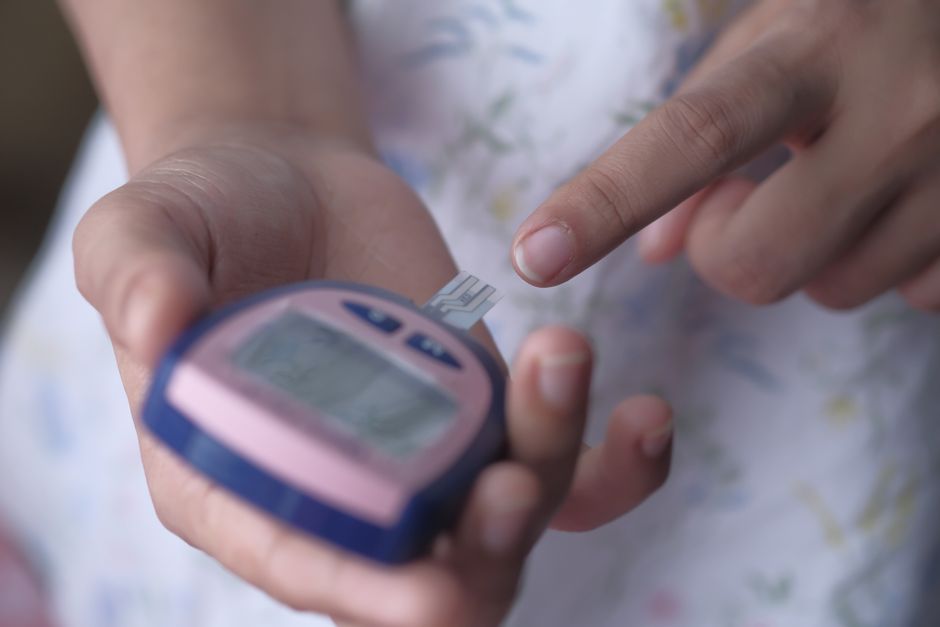
Some women prefer to monitor their blood sugar at home with a glucometer instead of doing the drink. This is sometimes called self-monitoring. It is not a substitute for the standard test in terms of diagnosis, because there are no established diagnostic criteria for home monitoring in pregnancy. But some providers are willing to work with women who want to try this approach first.
If you decline the glucose test, discuss the risks with your provider. Gestational diabetes often has no symptoms. Without testing, it can go undetected.
What About the Glucose Test for Women With Type 1 or Type 2 Diabetes?
Women who already have type 1 or type 2 diabetes before pregnancy do not need a gestational diabetes screening test. They already have a diabetes diagnosis.
Instead, they need tight blood sugar control throughout pregnancy. The focus is on managing existing diabetes to reduce risks to both mother and baby. This includes more frequent monitoring, possible medication adjustments, and closer prenatal care.
If you have pre-existing diabetes, your care team will discuss how to manage your blood sugar during pregnancy. The glucose test is not part of that plan.
What Happens If You Are Diagnosed With Gestational Diabetes?
A diagnosis is not a crisis. It is a signal that your blood sugar needs attention for the rest of the pregnancy.
Most women manage gestational diabetes with diet and exercise. A registered dietitian or diabetes educator can help you plan meals that keep blood sugar steady. Regular physical activity — such as walking after meals — helps your body use insulin more effectively.
If lifestyle changes are not enough, insulin may be recommended. Insulin does not cross the placenta and is considered safe for the baby. Some oral medications are also used, though insulin remains the standard when medication is needed.
Blood sugar is usually checked four times a day: once fasting in the morning and after each meal. Your provider will give you target ranges.
After delivery, gestational diabetes usually goes away. But it raises your risk of developing type 2 diabetes later in life. A follow-up glucose test is typically done 4 to 12 weeks after birth, and then periodically after that.
Frequently Asked Questions
When exactly do you do the glucose test in pregnancy?
The standard time is between 24 and 28 weeks of pregnancy. Women with risk factors may be tested earlier, sometimes at the first prenatal visit.
Do you have to fast for the glucose test?
It depends on which test you take. The one-hour screening test does not require fasting. The three-hour diagnostic test requires fasting for 8 to 12 hours beforehand.
What happens if you fail the one-hour glucose test?
You will be asked to return for a longer, fasting test — usually a three-hour test with 100 grams of glucose. Many women who fail the one-hour test pass the three-hour test.
Can you eat before the glucose test?
For the one-hour test, you can eat normally unless your provider says otherwise. For the three-hour test, you must fast for 8 to 12 hours. Only water is allowed during the fast.
