
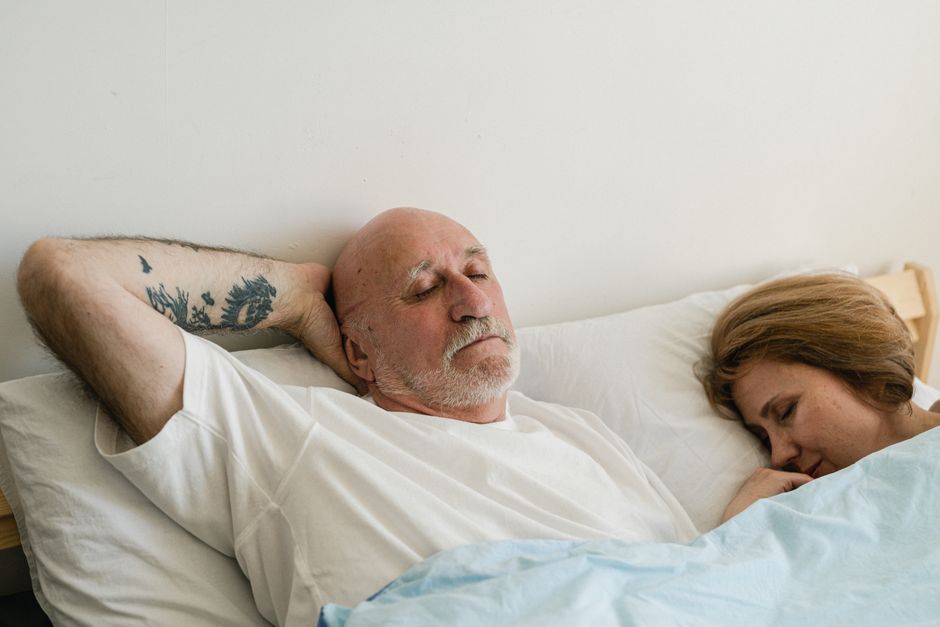
A CPAP machine is the most common and effective treatment for obstructive sleep apnea. It delivers a steady stream of pressurized air through a mask to keep your airway open while you sleep. This pressurized air acts as a splint, preventing the soft tissues in your throat from collapsing and blocking your breathing.
What Does A CPAP Machine Do For Sleep Apnea?
During sleep, the muscles in your throat relax. For someone with obstructive sleep apnea, these muscles relax too much, causing the airway to narrow or close completely. When your airway closes, you stop breathing for a few seconds to over a minute. Your brain notices the lack of oxygen and wakes you up just enough to gasp and reopen your airway. This can happen hundreds of times a night.
A CPAP machine stops these events. The continuous positive airway pressure holds your throat open from the inside. You breathe normally and continuously, which means your brain does not have to wake you up to restart your breathing. The result is more restful and restorative sleep.
What Does the Pressure Actually Do?
The pressure is measured in centimeters of water pressure, often written as cm H2O. Your doctor determines the right pressure for you during a sleep study. Some machines deliver a fixed pressure all night. Others, called auto-titrating CPAP machines, adjust the pressure automatically based on your breathing patterns.
The pressure itself is not forceful. It feels like a gentle breeze of room-temperature air. The key is that it is continuous. The air does not stop when you exhale. This constant pressure is what keeps the airway open throughout the entire breathing cycle.
When the pressure is set correctly, your snoring stops, your oxygen levels stay stable, and your brain stays asleep. Most people notice a difference in how they feel within the first few nights, though some take a few weeks to adjust to sleeping with the mask.
What Are the Immediate and Long-Term Benefits?
Using CPAP consistently changes your sleep architecture. Instead of spending most of the night in light sleep and brief awakenings, you spend more time in deep sleep and REM sleep. These stages are essential for memory consolidation, hormone regulation, and physical recovery.
The immediate benefits people report include:
- Less daytime sleepiness
- Improved morning alertness
- Reduced or eliminated snoring
- Fewer nighttime awakenings
- Better mood and focus
Long-term, untreated sleep apnea increases the risk of high blood pressure, heart disease, stroke, and type 2 diabetes. CPAP therapy reduces these risks by maintaining normal oxygen levels and reducing the stress that repeated breathing pauses places on your cardiovascular system. Research consistently shows that consistent CPAP use lowers blood pressure in people with sleep apnea and high blood pressure.


How Is a CPAP Machine Different From Other Sleep Apnea Devices?
CPAP is one of several positive airway pressure therapies. The others are BiPAP and APAP. Understanding the differences helps you know which one your doctor may prescribe.
| Device | How It Works | Common Use |
|---|---|---|
| CPAP | Delivers one continuous pressure level | Standard treatment for obstructive sleep apnea |
| APAP | Auto-adjusts pressure throughout the night | Used when pressure needs vary by position or sleep stage |
| BiPAP | Delivers two pressure levels — higher when you inhale, lower when you exhale | Used when CPAP pressure feels uncomfortable or for certain respiratory conditions |
There are also oral appliances that reposition your jaw to keep the airway open. These are less effective than CPAP for moderate to severe sleep apnea but may work for mild cases. Surgery is another option, but it is reserved for specific anatomical issues and is not a first-line treatment for most people.
Does CPAP Cure Sleep Apnea?
No. CPAP treats the condition but does not cure it. It works only while you are using it. If you stop using the machine, your sleep apnea returns at the same severity. This is an important distinction. CPAP is like wearing glasses for vision — it corrects the problem while worn but does not permanently fix the underlying issue.
Some people do improve their sleep apnea severity through weight loss. Excess weight, especially around the neck, increases pressure on the airway. Research shows that significant weight loss can reduce the severity of sleep apnea and sometimes eliminate the need for CPAP entirely. However, this is not guaranteed, and many people continue to need treatment even after weight loss.
Your doctor may recommend a repeat sleep study if you lose a substantial amount of weight to determine whether your pressure needs have changed.
Why Do Some People Stop Using CPAP?
Despite being highly effective, CPAP has a significant adherence problem. Many people stop using their machine within the first year. The most common reasons are discomfort, mask leaks, and feeling claustrophobic.
The machine itself is quiet. Modern devices produce minimal noise. The mask is usually the source of discomfort. There are many mask styles, including nasal pillows, nasal masks, and full-face masks. Finding the right fit often takes trial and error. A well-fitted mask should not leak air and should not leave red marks on your skin in the morning.
If you find CPAP uncomfortable, talk to your sleep specialist. They can adjust the pressure settings, change the humidity level, or recommend a different mask. Heated humidification is built into most machines and helps prevent nasal dryness and congestion, which are common early complaints.
Another common issue is air swallowing, which can cause bloating or stomach discomfort. This usually improves as your body adjusts, but your provider can lower the pressure or add an expiratory pressure relief feature if it persists.
How Long Does It Take to Adjust to CPAP?
Adjustment time varies widely. Some people sleep well with CPAP from the first night. Others need several weeks. The most important factor is consistent use. Wearing the mask for short periods during the day while watching television or reading can help your brain get used to the sensation.
During the adjustment period, you may wake up with the mask off without realizing it. This is normal. It often helps to use the ramp feature on your machine, which starts at a lower pressure and gradually increases to your prescribed setting after you fall asleep.
Most sleep specialists recommend wearing the machine for at least four hours per night. Research shows that using CPAP for more than four hours a night provides significant health benefits. Using it for the full night is ideal, but partial use still reduces the number of apnea events and improves sleep quality.
Are There Any Risks or Side Effects?
CPAP is a low-risk treatment. The most common side effects are minor and manageable. These include nasal congestion, dry mouth, and skin irritation where the mask touches your face. Adjusting the humidity and choosing the right mask style resolves most of these issues.
More serious complications are rare. If the pressure is set too high, you may experience discomfort or difficulty exhaling. Your doctor can lower the pressure or switch you to a BiPAP machine. If you have severe lung disease, heart failure, or a history of pneumothorax, tell your doctor before starting CPAP. These conditions require careful pressure management.
There is no evidence that long-term CPAP use causes harm to the lungs or heart. The machine delivers room air, not oxygen. It simply moves air at a slightly higher pressure to keep your airway open.
How Do You Know If CPAP Is Working?
Your machine records usage data. Most modern CPAP machines have built-in modems that send data to your sleep provider. This data includes hours of use, mask leak, and the number of apnea events per hour while using the machine. Your provider can review this information remotely.
The goal is to reduce your apnea-hypopnea index, or AHI, to fewer than five events per hour. Before treatment, people with moderate or severe sleep apnea may have 15 to over 30 events per hour. With effective CPAP treatment, the AHI often drops to near zero.
You will also notice subjective improvements. Better sleep quality, more energy during the day, and a partner who reports no more snoring are all signs the treatment is working. If you have been using CPAP consistently and still feel tired, tell your doctor. There may be another sleep disorder, such as insomnia or restless legs syndrome, that needs separate attention.
Frequently Asked Questions
Will a CPAP machine cure my sleep apnea?
No, CPAP treats sleep apnea but does not cure it. The benefits only last while you are using the machine.
How many hours a night do I need to use CPAP?
Most sleep specialists recommend using it for at least four hours per night. Full-night use provides the greatest benefit.
Can I travel with my CPAP machine?
Yes, most machines are compact and FAA-approved for carry-on luggage. You will need access to power at your destination, and many travel-specific models run on batteries.
Will I snore while using CPAP?
Snoring should stop when the pressure is set correctly. If you still snore, the pressure may be too low or your mask may be leaking.
