
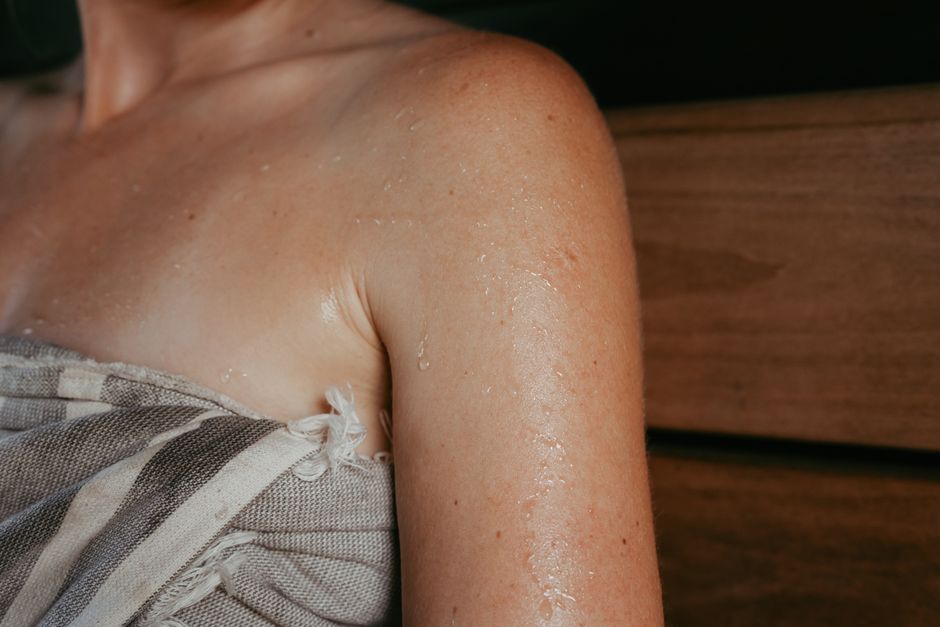
Waking up soaked through your pajamas and sheets is not just uncomfortable. It is a real medical symptom, and it deserves a real answer. Night sweats are defined as repeated episodes of heavy sweating during sleep that soak your clothing or bedding, even when your bedroom is cool. The first step to sleeping through them is finding out what is causing them, because the right fix depends entirely on the cause. Some people need a cooler room and lighter bedding. Others need a doctor to look at hormones, medications, or an underlying condition.
What Actually Counts as Night Sweats?
Doctors draw a clear line between feeling warm at night and true night sweats. Feeling hot because your room is stuffy or your blanket is heavy is not the same thing.
The clinical definition matters. Night sweats are episodes of heavy sweating during sleep that are severe enough to soak your nightclothes or sheets. They often happen even when the room is comfortably cool. Many people also wake up because of the wetness itself.
This distinction helps your doctor. “I get hot sometimes” points in a different direction than “I wake up drenched three nights a week.” If you can, note how often it happens, how much you sweat, and whether the room was cool. Those details narrow the list of possible causes quickly.
One thing worth knowing: night sweats and hot flashes are related but not identical. Hot flashes are the sudden feeling of heat, often with flushing and sweating. Night sweats are the sweating that soaks you. In menopause, the two often travel together. In other conditions, night sweats can happen on their own.
What Causes Night Sweats?
The causes fall into a few broad groups. Hormones, infections, medications, and some medical conditions are the most common. Sometimes no clear cause is found, which doctors call idiopathic night sweats.
Hormonal shifts are among the most frequent causes. In perimenopause and menopause, falling estrogen levels disrupt the body’s temperature regulation, which can trigger sweating at night. This is common and expected, not a sign that something is wrong.
Other causes doctors consider include:
- Infections such as tuberculosis, which is a classic cause of drenching night sweats
- Some cancers, particularly lymphomas
- Low blood sugar, especially in people with diabetes who take insulin or certain medications
- An overactive thyroid
- Anxiety and panic
- Alcohol use and withdrawal
- Certain medications, including some antidepressants and hormone treatments
- Gastroesophageal reflux, which can cause sweating at night
The list looks alarming, and that is why it helps to look at the whole picture. A person with night sweats plus fever, weight loss, or swollen lymph nodes needs a different level of concern than someone who only sweats and feels fine otherwise. Doctors call the combination of night sweats, fever, and unexplained weight loss a “B symptom,” and it is taken seriously because it can point to infection or cancer.
Most night sweats turn out to have a manageable cause. But the serious possibilities are why persistent night sweats are not something to simply ignore.
How Do You Stop Night Sweats From Ruining Your Sleep?
You can reduce the disruption even before you know the cause. These steps do not treat the underlying problem, but they make the nights more survivable while you figure it out.
Start with the sleep environment. A cool room, breathable bedding, and moisture-wicking sleepwear reduce how much sweat stays against your skin. Cotton sheets hold moisture. Moisture-wicking fabrics move it away. Keep a spare set of pajamas and a towel nearby so a wet wake-up does not mean a full search at 3 a.m.
Practical changes that help many people:
- Set the bedroom cooler than the rest of the house
- Use moisture-wicking sheets and pajamas
- Layer bedding so you can remove a layer without getting fully out of bed
- Avoid alcohol, spicy food, and caffeine in the evening
- Keep a change of clothes and a towel within reach
If you wake up drenched, change your clothes and the wet sheets if you can. Going back to sleep in wet bedding keeps you cold and uncomfortable and makes it harder to fall back asleep. A quick change is worth the few minutes it takes.
None of these changes stops the sweating itself. They reduce the damage it does to your night. The sweating will keep happening until the cause is addressed.





When Should Night Sweats Send You to a Doctor?
See a doctor if your night sweats are frequent, drenching, or come with other symptoms. Frequency and severity are the two most useful signals.
Make an appointment if you have night sweats that soak your bedding on a regular basis, especially if they started recently or are getting worse. Certain added symptoms make the visit more urgent:
- Fever
- Unexplained weight loss
- Swollen lymph nodes
- Persistent cough
- Pain or night pain that wakes you
- New or worsening fatigue
These combinations can point to infection, cancer, or another condition that needs prompt evaluation. That does not mean the worst is likely. It means the symptoms are worth checking rather than waiting out.
If you take insulin or diabetes medications, tell your doctor about the sweats. Low blood sugar at night can cause sweating, and it needs to be managed carefully. Do not change your medication on your own.
What Will a Doctor Do About Night Sweats?
A doctor will start with your history and a physical exam. The goal is to separate common causes from the ones that need testing.
Expect questions about how often it happens, how much you sweat, what medications you take, and whether you have other symptoms. Your doctor may check your blood counts, thyroid function, and blood sugar. Depending on what they find, they may look for infection or other conditions.
Treatment depends entirely on the cause. If a medication is the trigger, your doctor may adjust it. If hormones are the cause, there are treatments for menopausal symptoms, though the decision to use them is individual and depends on your health history. If an infection or another condition is found, treating it usually resolves the sweats.
For some people, no cause is found. This is called idiopathic night sweats. It is frustrating, but it is common, and it usually means the serious causes have been ruled out. Management then focuses on the sleep environment and comfort measures.
There is no single treatment that works for everyone, because night sweats are a symptom, not a disease. The treatment is whatever addresses the cause.
Can Lifestyle Changes Prevent Night Sweats?
Lifestyle changes can reduce how often night sweats disrupt your sleep, but they do not prevent the sweating itself when there is a medical cause. Think of them as damage control, not a cure.
Cutting back on alcohol in the evening is one of the more useful steps. Alcohol can trigger sweating and also fragments sleep. Spicy foods and caffeine near bedtime affect some people the same way. If you notice a pattern, it is worth testing whether removing the trigger helps.
Weight and fitness can play a role. Carrying extra weight makes it harder for the body to shed heat, and regular activity supports better temperature regulation. These changes take time and are not a quick fix for a specific night.
Stress and anxiety can also drive sweating. If your night sweats cluster around stressful periods, addressing the stress may reduce them. This is not a substitute for medical evaluation when symptoms are persistent or severe.
Keep a simple log for a couple of weeks. Note the nights you sweat, what you ate and drank, your stress level, and whether the room was cool. Patterns can point your doctor toward the cause faster.
What About Hormonal Night Sweats?
Hormonal night sweats are among the most common causes, especially for people in perimenopause and menopause. Falling estrogen levels affect the part of the brain that controls body temperature, which can trigger sweating at night.
These sweats tend to come in episodes and often pair with hot flashes during the day. They can last for years in some people, though the pattern varies widely. Some people have them for a short time. Others have them for much longer.
There are treatments for menopausal symptoms, including hormone therapy and some non-hormonal options. Whether to use them is a personal decision that depends on your symptoms, your health history, and your preferences. That conversation belongs with your doctor, not a general article.
Hormonal night sweats are not dangerous on their own. They are disruptive, and the sleep loss they cause can affect mood, focus, and daily functioning. That alone is a good reason to talk to a doctor about options.
Frequently Asked Questions
What is the fastest way to stop night sweats?
There is no single fast fix, because night sweats are a symptom with many causes. The quickest relief usually comes from cooling your sleep environment and treating the underlying cause once it is identified.
Are night sweats a sign of cancer?
They can be, particularly with lymphoma, but most night sweats have other causes. Night sweats with fever or unexplained weight loss are the combination that warrants prompt medical evaluation.
Can low blood sugar cause night sweats?
Yes, low blood sugar overnight can cause sweating, especially in people with diabetes who use insulin or certain medications. If you take these medications and have night sweats, talk to your doctor before changing anything.
When should I worry about night sweats?
Worry is warranted when sweats are frequent, drenching, or come with fever, weight loss, or swollen lymph nodes. Persistent night sweats without an obvious cause should be checked by a doctor.
