
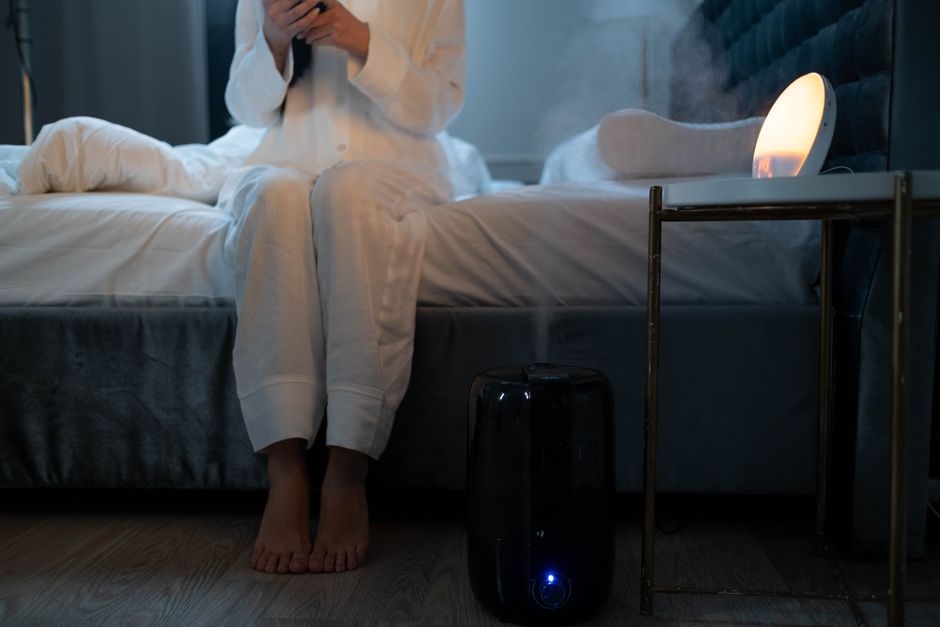
A cold humidifier adds moisture to the air without heating it first. It can ease dryness in the nasal passages and throat, and it can help dry, flaky skin feel less tight. The effect is real but limited — it addresses moisture loss, not the underlying cause of sinus problems or skin conditions.
That distinction matters. People often expect a humidifier to “fix” sinus congestion or eczema. It does not. What it does is change one environmental factor: the amount of water vapor in the air around you.
What Does A Cold Humidifier Do For Sinuses And Skin?
A cold humidifier raises indoor humidity by releasing water vapor or fine mist into the air. For sinuses, the main benefit is keeping nasal mucus thin and moving. For skin, it reduces water loss from the outer layer of the skin.
The nasal passages are lined with a thin layer of mucus that traps dust, allergens, and microbes. That mucus needs to stay watery to work. When the air is dry, the mucus gets thick and sticky. It does not clear as easily. This can lead to a feeling of stuffiness, crusting, and irritation — even when there is no infection.
Adding moisture to the air can help thin that mucus. It also reduces the drying effect on the nasal lining itself. That is why many people feel more comfortable breathing in a humid room.
Skin works differently. The outer layer of skin, called the stratum corneum, holds water. When the air around you is very dry, water evaporates from the skin faster. This can make skin feel tight, rough, or itchy. A humidifier slows that evaporation by making the air less thirsty.
But here is an important limit: a humidifier does not add moisture to your skin directly. It changes the air. If your skin barrier is damaged — from eczema, harsh soaps, or certain medications — a humidifier alone will not repair it.
How Does Dry Air Affect Your Sinuses?
Dry air dries out the mucus membrane that lines your nose and sinuses. That membrane is delicate. It depends on moisture to trap particles and fight off irritation.
When it dries out, several things happen:
- Mucus becomes thick and hard to clear
- Small cracks can form in the nasal lining
- You may feel a burning or raw sensation when breathing
- Nosebleeds become more likely, especially in winter
- Existing sinus problems can feel worse
This is why dry indoor air — common in heated homes during winter — often comes with a stuffy nose, dry throat, and crusty nostrils. The air itself is not infected. It is just dry.
Some research suggests that dry air may also affect how well the nasal lining defends against viruses and bacteria. But the evidence here is not strong enough to say that humidity levels directly prevent or cure infections. The relationship is plausible but not proven.
How Does Dry Air Affect Your Skin?
Skin loses water to the air all day. This is called transepidermal water loss. When the air is dry, that loss speeds up.
For healthy skin, this might just mean a bit of tightness or flaking. For skin that is already compromised — from eczema, psoriasis, or aging — the effect can be more noticeable. Dry air can trigger itching and make rough patches worse.
A cold humidifier can reduce water loss by raising the humidity around you. But it does not replace moisturizer. Moisturizers work by trapping water in the skin or by adding oils that slow evaporation. A humidifier changes the environment; a moisturizer changes the skin.
For most people, the two work best together. If you have a skin condition, a humidifier may help you feel more comfortable. It is not a treatment for the condition itself.





Cold Humidifier vs. Warm Humidifier: What’s the Difference?
Both types add moisture to the air. The difference is how they do it and what that means for you.
| Feature | Cold Humidifier | Warm Humidifier |
|---|---|---|
| How it works | Releases cool mist or water vapor without heating | Boils water and releases warm steam |
| Energy use | Lower | Higher |
| Burn risk | None from steam | Risk from hot water or steam |
| Bacteria risk | Can grow in tank if not cleaned | Boiling kills many microbes |
| Best for | Bedrooms, children’s rooms, general use | Small rooms, occasional use |
For most people, a cold humidifier is safer and easier to use. It does not produce hot water or steam, so there is no burn risk. That matters if you have children or pets.
Warm humidifiers may feel more soothing if you are congested. But the evidence that warm mist is more effective than cool mist for sinus symptoms is limited. Most clinical guidance focuses on adding moisture, not on the temperature of that moisture.
Does a Cold Humidifier Help With Sinus Congestion?
It can help you feel more comfortable, but it does not treat the cause of congestion.
Congestion happens when the tissues inside your nose swell. This can be from a cold, allergies, irritants, or structural issues. A humidifier does not reduce that swelling. What it does is keep mucus thin so it can drain more easily.
Some people find that breathing moist air makes their nose feel less blocked. Others notice no difference. The evidence is mixed. A small number of studies suggest that humidified air may improve comfort in people with dry nasal passages, but results vary.
If you have chronic sinus problems, a humidifier is not a substitute for medical care. It is one small part of managing your environment.
Can a Cold Humidifier Make Things Worse?
Yes, if you overdo it or do not clean it.
Too much humidity — above 50% — can encourage mold, dust mites, and bacteria. That can trigger allergies and asthma. The CDC recommends keeping indoor humidity between 30% and 50%. A hygrometer can help you track this.
Dirty humidifiers are another problem. If you do not clean the tank regularly, bacteria and mold can grow inside and then get released into the air. That is worse than dry air.
For cold humidifiers, use distilled or demineralized water if possible. Tap water contains minerals that can be released as fine dust. This is called white dust. It can settle on surfaces and be inhaled.
How to Use a Cold Humidifier Safely
Keep it simple and keep it clean.
- Clean the tank every day or every other day with a mild detergent and water
- Empty standing water when not in use
- Use distilled water if you have hard tap water
- Keep humidity between 30% and 50%
- Place it a few feet away from your bed, not right next to your face
- Replace filters as recommended by the manufacturer
If you notice a musty smell or see visible film inside the tank, clean it thoroughly before using it again. Do not add essential oils or other additives unless the manufacturer specifically says it is safe. Inhaled oils can irritate the lungs.
When to See a Doctor
A humidifier is a comfort measure, not a treatment. See a doctor if:
- You have sinus pain or pressure that lasts more than 10 days
- You have a fever along with nasal symptoms
- You have bloody nasal discharge or persistent nosebleeds
- Your skin is cracked, bleeding, or not responding to moisturizer
- You have trouble breathing or wheezing
These signs suggest something more than dry air. A humidifier will not fix an infection, an allergy, or a skin condition that needs medical care.
Frequently Asked Questions
Does a cold humidifier help with sinus pressure?
It may help you feel more comfortable by keeping nasal mucus thin, but it does not reduce sinus pressure itself. Sinus pressure usually comes from swelling or blockage that a humidifier cannot treat.
Can I leave a cold humidifier on all night?
Yes, as long as you keep indoor humidity between 30% and 50% and clean the tank regularly. Running it without cleaning can release mold or bacteria into the air.
Is a cold humidifier good for dry skin?
It can reduce water loss from your skin by making the air less dry. It does not replace moisturizer, especially if you have eczema or another skin condition.
What kind of water should I use in a cold humidifier?
Distilled or demineralized water is best because it does not leave mineral dust. If you use tap water, clean the tank more often to prevent buildup.
