
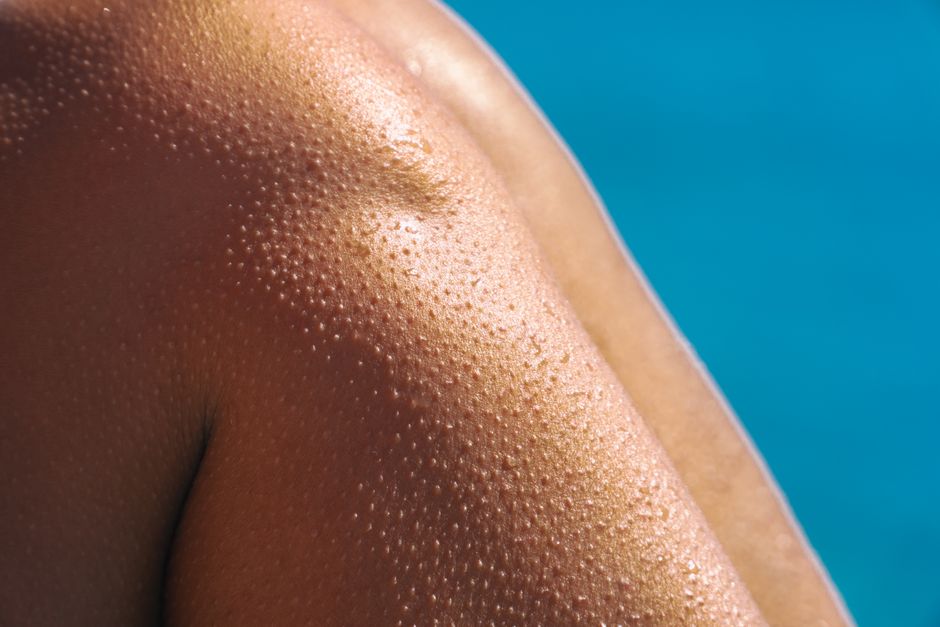
A dry cold is winter air with low humidity, and it pulls moisture out of your skin, lips, eyes, nose, and throat. Cold air holds less water vapor than warm air, and when humidity drops, the air essentially acts like a sponge. That moisture loss is why so many people notice cracked hands, dry eyes, and a scratchy throat once the temperature and humidity fall together.
Dry cold is different from damp cold. A cold rain feels miserable, but it does not dehydrate your skin the way dry air does. The dryness, not just the temperature, drives most of the skin and airway symptoms people blame on winter.
What Is A Dry Cold Effects On Skin And Health?
The main effect is water loss. Your skin normally holds water in the outer layer, called the stratum corneum, using oils and natural moisturizing factors. Dry air increases the rate at which water evaporates from that layer, a process called transepidermal water loss. When water leaves faster than your skin can replace it, the outer layer loses flexibility and cracks.
Cold itself also plays a role. Low temperatures reduce blood flow to the skin, which lowers oil production from sebaceous glands. So you get two problems at once: less oil to seal in water, and more water escaping into dry air.
Inside the body, dry cold air affects the airways too. Your nose normally warms and humidifies air before it reaches the lungs. Cold, dry air makes that job harder, and the lining of the nose and throat can dry out and become irritated. This is one reason nosebleeds and sore throats are more common in winter.
What happens to skin in dry cold
Common changes include tightness, flaking, redness, itching, and fine cracks, especially on the hands, face, and shins. People with eczema or psoriasis often notice flares when humidity drops, because their skin barrier is already weaker.
It is worth separating dryness from a true skin condition. Dry skin from low humidity is usually diffuse and improves with moisture. A rash that is intensely itchy, blistering, or spreading may be eczema, contact dermatitis, or something else, and those need a clinician’s assessment rather than more lotion.
Why Does Dry Cold Air Cause Dry Skin?
It comes down to physics and biology working against each other. Cold air cannot hold much moisture. When you heat that air indoors, its relative humidity drops further, sometimes to very low levels. That dry indoor air then pulls water from anything with more moisture, including your skin.
Your skin barrier is built from cells and lipids, including ceramides and fatty acids. These lipids form a seal that limits water loss. Dry cold air stresses that seal in two ways: it removes water from the outer layer, and cold reduces the oil that helps maintain the seal.
Heating systems make it worse. Forced-air heat and space heaters warm a room without adding moisture, so indoor humidity can fall well below outdoor levels. This is why dry skin often gets worse indoors in winter, not just outside.
How Does Dry Cold Affect the Nose, Throat, and Eyes?
Your nose and throat depend on a moist mucous membrane to trap particles and fight infection. Dry air dries that membrane, which can lead to a scratchy throat, a dry cough, and nosebleeds. The small blood vessels in the nose are fragile when the lining is dry.
Eyes are affected too. Tears normally keep the surface of the eye moist and clear. Dry air increases tear evaporation, which can cause burning, a gritty feeling, and blurry vision that clears with blinking. People who already have dry eye syndrome often notice worse symptoms in winter.
Some evidence suggests dry air may make people more susceptible to respiratory infections, because the mucus that traps viruses and bacteria works less well when it is thick and dry. This is a reasonable mechanism, but it is not the same as proven cause and effect. The evidence here is limited and mixed.





Does Dry Cold Actually Make You Sick?
Dry cold does not cause colds or flu on its own. Those are caused by viruses. What dry cold can do is make the conditions slightly more favorable for those viruses and slightly harder for your body’s defenses.
Respiratory viruses spread more easily in winter for several reasons, including more time spent indoors in close contact and, some research suggests, better survival of viruses in dry air. Dry air may also reduce the effectiveness of the mucus barrier in your nose. So the honest position is this: dry cold is a contributing factor, not the cause.
This matters because it changes what helps. Moisturizing your skin and humidifying your air may ease symptoms, but they do not replace handwashing, vaccination, and staying home when sick.
Who Is Most Affected by Dry Cold?
Some people are more vulnerable to dry cold than others.
- People with eczema, psoriasis, or sensitive skin
- Older adults, whose skin produces less oil and holds less water
- People with dry eye syndrome or other eye conditions
- People with asthma or other respiratory conditions
- Anyone taking medications that dry the skin or mucous membranes
- People who work outdoors in cold, dry conditions
Age matters because skin changes with time. Oil production and barrier function decline gradually, so the same cold snap that barely affects a younger person can leave an older adult with cracked, itchy skin.
How Can You Protect Your Skin and Body in Dry Cold?
The goal is to reduce water loss and replace what is lost. That means moisturizing, adding moisture to the air, and avoiding things that strip your skin further.
Moisturizers work best when applied to damp skin, right after washing, to trap water in. Thicker ointments and creams generally hold moisture better than thin lotions, because they contain more oil and fewer water-based ingredients. For very dry or cracked skin, an ointment is often the most protective option.
Indoor humidity can be raised with a humidifier. Keeping indoor humidity in a moderate range, roughly 30 to 50 percent, is a common recommendation, though exact targets vary by source and climate. Too much humidity can encourage mold and dust mites, so the goal is balance, not maximum moisture.
Other practical steps that rest on well-established reasoning include:
- Washing with lukewarm rather than hot water
- Using gentle, fragrance-free cleansers
- Avoiding harsh soaps that strip oils
- Wearing gloves outdoors and when doing wet work
- Drinking enough water, though this does not directly fix dry skin on its own
One clarification worth knowing: drinking more water does not usually cure dry skin, because the problem is water escaping from the surface, not a lack of water inside you. Hydration matters for overall health, but it is not a direct treatment for a damaged skin barrier.
When Should You See a Doctor?
Most dry skin from cold air improves with moisturizing and humidity. Seek medical advice if skin is cracked and bleeding, shows signs of infection such as warmth, swelling, or pus, or does not improve with consistent care.
See a clinician if you have persistent nosebleeds, ongoing eye pain or vision changes, a cough that lasts for weeks, or a rash that is spreading or intensely itchy. These can point to conditions that need diagnosis and treatment, not just more lotion.
For people with eczema, asthma, or dry eye syndrome, a doctor can recommend treatments that go beyond general measures. What works for one person may not work for another, and the evidence for specific products varies widely.
Does Dry Cold Affect Health Beyond Skin and Airways?
The clearest effects are on skin, eyes, nose, and throat. Some research suggests dry cold may also affect sleep and general comfort, but the evidence is not strong enough to make firm claims.
What is well established is that cold weather in general increases cardiovascular strain, particularly during exertion. That is a temperature effect, not a dryness effect, and it is worth keeping separate when thinking about winter health.
It is also worth noting that dry cold and damp cold are not equally hard on skin. The dryness is the main driver of cracked skin and irritated airways. Temperature adds to the problem, but humidity is the factor most people can actually change indoors.
Frequently Asked Questions
Does dry cold cause dry skin?
Yes. Low humidity increases water loss from the skin’s outer layer, and cold reduces the oil that helps seal in moisture. Together they commonly cause tightness, flaking, and cracking.
Can dry cold make you sick?
Dry cold does not cause colds or flu, which are caused by viruses. It may make the airways less able to trap viruses, but it is a contributing factor, not the cause.
What indoor humidity level helps with dry cold?
A moderate range, roughly 30 to 50 percent, is a common recommendation. Too much humidity can encourage mold and dust mites, so balance matters more than maximum moisture.
Does drinking more water help dry skin in winter?
Not directly. Dry skin in cold weather is mainly water escaping from the surface, not a lack of water inside the body. Moisturizing and humidifying the air help more.
