
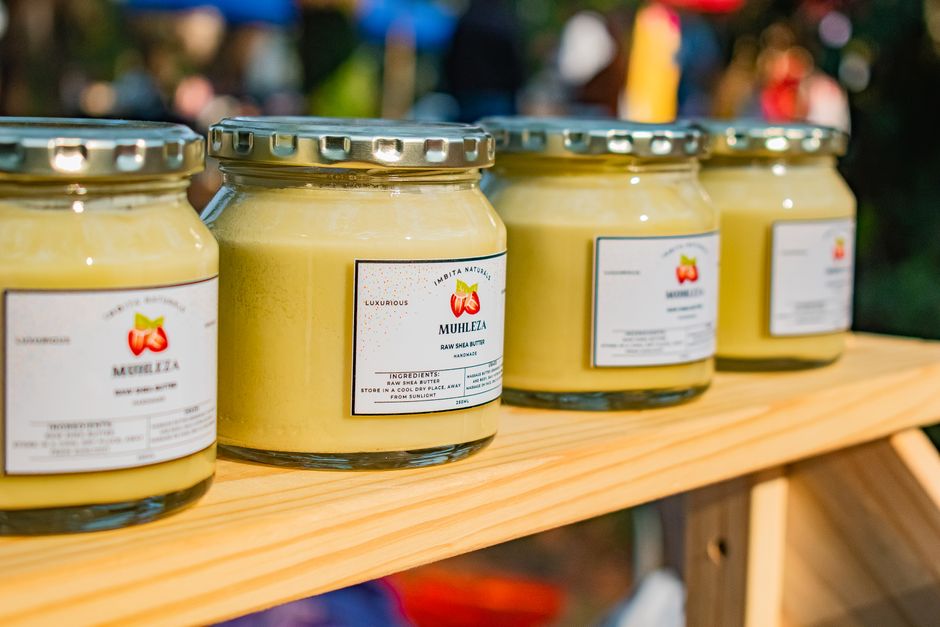
Shea butter is one of the most studied plant fats used on skin, and for dry skin it does two useful things at once: it seals in water that is already there and it adds fatty acids that help soften rough, flaky patches. It is not a cure for a skin condition, and it will not fix dryness caused by something inside the body. But as a daily moisturizer for ordinary dry skin, it holds up well against more expensive options.
Is Shea Butter Good For Dry Skin Benefits Tips?
Yes. Shea butter is a solid fat pressed from the nuts of the shea tree, which grows across West and Central Africa. It has been used as a skin treatment in that region for centuries, long before it appeared in drugstore jars.
What makes it work is its composition. Shea butter is roughly half oleic acid and stearic acid, with smaller amounts of linoleic acid and other fatty acids. It also contains vitamins A and E, along with plant compounds called triterpenes. Those triterpenes are partly why shea butter calms irritation in some people, though the research on that specific effect is early and mostly from lab studies.
The main job shea butter does on dry skin is mechanical. It forms a thin layer on the surface that slows water from escaping. That is called an occlusive effect, and it is the same basic way petrolatum and mineral oil work. Shea butter is less occlusive than petrolatum, which means it lets a little more water through. For mild to moderate dryness that is usually fine. For cracked, raw skin it may not be enough on its own.
Shea butter also contains a small amount of unsaponifiables — the fraction that does not turn into soap during processing. Some research suggests this fraction has mild anti-inflammatory activity. That is a reasonable explanation for why shea butter feels soothing, but it is not the same as proven treatment for a diagnosed skin disease.
How Does Shea Butter Compare To Other Moisturizers?
Not all fats behave the same on skin, and the differences matter when you are choosing a product.
Petrolatum is the strongest common occlusive. It reduces water loss from skin more than almost anything else on the shelf. It is also heavy, greasy, and some people dislike the feel. Shea butter sits in the middle. It is more breathable and absorbs better, but it seals less.
Coconut oil penetrates faster and feels lighter, but it is more likely to clog pores in people prone to acne. Jojoba oil and squalane are lighter still. Lanolin is highly effective for cracked skin but causes allergic reactions in a small number of people.
Here is a rough way to think about the tradeoffs:
- Heaviest seal: petrolatum, then lanolin, then shea butter
- Lightest feel: squalane and jojoba, then coconut oil, then shea butter
- Lowest irritation risk: petrolatum and squalane, which have very few allergenic components
- Highest irritation risk: essential oils and fragrances often added to shea products, not the shea itself
That last point is worth pausing on. Most reactions people blame on shea butter come from something else in the jar. Fragrance, citrus oils, and preservatives are common culprits. Raw, unrefined shea butter has a nutty smell and a slightly grainy texture; refined shea is smoother and nearly odorless but loses some of its minor compounds in processing.
What Is The Best Way To Use Shea Butter On Dry Skin?
Timing matters more than amount. The most effective moment to apply any moisturizer is within a few minutes of getting out of the shower or bath, while skin is still slightly damp. Shea butter traps that surface water instead of just sitting on top of dry skin.
A practical routine looks like this:
- Pat skin dry rather than rubbing, leaving it a little damp
- Warm a small amount of shea butter between your palms — it is solid at room temperature and melts near body temperature
- Press it into the skin rather than dragging it across
- Give it a minute to absorb before dressing
For very dry areas like heels, elbows, and knees, apply a thicker layer and cover with socks or a soft cloth for a few minutes. That is the same principle as an occlusive dressing, and it helps the butter stay in contact with skin longer.
On the face, shea butter works for some people and not others. It is a moderately comedogenic fat, meaning it can contribute to clogged pores in acne-prone skin. If you break out easily, patch test on your jawline for a few days before using it more widely.
One thing shea butter cannot do is add water to skin. No oil or butter can. Moisturizers either slow water loss or draw water in from the air and deeper skin layers. Shea butter mainly does the first. That is why applying it to bone-dry skin without any moisture underneath gives weaker results than applying it to damp skin.



When Is Dry Skin A Sign Of Something Else?
Ordinary dry skin responds to moisturizer within days. Dry skin that does not improve, or that comes with redness, cracking, bleeding, or intense itching, may have another cause.
Eczema and psoriasis both cause dry, scaly patches that need more than a moisturizer. So does contact dermatitis, which is an allergic or irritant reaction to something touching the skin. Diabetes, thyroid problems, and some kidney conditions can also cause widespread dryness. So can certain medications, including some diuretics and cholesterol-lowering drugs.
If dryness is severe, widespread, or new and unexplained, that is a reason to see a clinician rather than keep layering on product. Shea butter is a moisturizer, not a treatment for an underlying condition.
There is also a practical point about winter. Indoor heating drops humidity, and skin loses water faster. People who use shea butter comfortably in summer sometimes find it is not enough in January. Switching to a heavier occlusive for a few months is a reasonable move.
Does Shea Butter Have Any Downsides?
For most people, no. Shea butter is well tolerated and has a long history of topical use. Allergic reactions to shea itself are uncommon, though they do occur.
People with a tree nut allergy sometimes avoid shea butter out of caution. The shea tree is not a true nut tree in the botanical sense, and reactions to shea in nut-allergic individuals appear to be rare. Still, if you have a diagnosed tree nut allergy, checking with an allergist before using a new product is sensible.
The bigger issue is what gets added. Products labeled “shea butter” often contain only a small percentage of it, diluted with fillers, fragrance, and alcohol. Alcohol-based lotions can sting cracked skin and make dryness worse over time. Reading the ingredient list matters more than the front of the label.
Shea butter can also go rancid over time, especially unrefined versions. Store it away from heat and direct sun, and replace it if the smell turns sharp or sour.
What Should You Look For When Buying Shea Butter?
Ingredient order tells you a lot. Ingredients are listed by weight, so shea butter should appear near the top if the product is genuinely shea-based.
Unrefined shea butter is usually ivory to pale yellow with a distinct nutty odor. Refined shea is white and nearly scentless. Both moisturize. The refined version has lost some of its minor plant compounds, but there is no strong evidence that this makes a meaningful difference for dry skin.
Watch for these on the label:
- Added fragrance or parfum, which is a common irritant
- Denatured alcohol or alcohol denat, which can dry skin further
- Essential oils like citrus, lavender, or peppermint, which raise reaction risk
- Very long ingredient lists where shea is near the bottom
A plain shea butter with one or two other ingredients is often the better choice for sensitive or reactive skin.
Frequently Asked Questions
Is shea butter good for very dry skin on the face?
It can be, but shea butter is moderately comedogenic and may clog pores in acne-prone skin. Test it on a small area for several days before applying it to your whole face.
How often should I apply shea butter to dry skin?
Twice a day is typical — once after bathing and once before bed. There is no established maximum, but more frequent application is not necessarily better.
Can shea butter heal eczema or psoriasis?
No. Shea butter can soften dry, scaly skin and reduce water loss, but it does not treat the underlying inflammation of eczema or psoriasis. Those conditions need medical treatment.
Does shea butter work better than lotion for dry skin?
For moderate dryness, yes, because it seals in water more effectively than most water-based lotions. For very cracked skin, petrolatum still outperforms it.
