
A blood clot under the skin looks like a firm, raised bump or a swollen area that is often discolored. The color usually starts as red or dark purple and can shift to blue, green, or yellow as it heals. This is different from a simple bruise, which is flat and spreads out, because a clot feels like a solid lump beneath the surface.
What Does A Blood Clot Look Like Under The Skin?
A superficial blood clot, known medically as superficial thrombophlebitis, appears as a tender, cord-like rope under the skin. You can often feel it before you see it clearly. The skin over the clot may look red, warm, and slightly swollen. The area might feel hard to the touch, similar to a cooked spaghetti noodle running under the surface.
This is different from a bruise, which happens when tiny blood vessels break and blood spreads into the tissue. A bruise is flat and changes color over days. A clot is a distinct lump that stays in one place and feels firm.
How Can You Tell a Blood Clot from a Bruise?
Bruises and blood clots both involve blood under the skin, but they feel and look different. A bruise is caused by broken capillaries and small veins leaking blood into the tissue. The blood spreads out, creating a flat, irregular patch of discoloration. Press on it and it feels like normal skin, just colored differently.
A superficial blood clot forms inside a vein. The vein becomes inflamed and the blood inside it thickens into a solid mass. This creates a raised, firm cord that you can roll under your fingers. The skin over it is often warmer than the surrounding skin and may be tender or painful.
If you press a bruise, the color does not change. If you press a clot, you feel a distinct lump that does not flatten out. This difference in texture is the most reliable way to tell them apart at home.
What Causes Blood Clots Under the Skin?
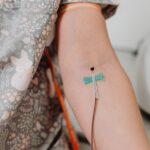
Superficial blood clots usually form after an injury to a vein. This can happen from an IV line, a blood draw, or direct trauma like a hard knock. Varicose veins are another common cause. When veins are enlarged and sluggish, blood pools and is more likely to clot.
Other factors increase the risk. Prolonged sitting or bed rest slows blood flow. Hormonal changes from pregnancy or birth control pills can make blood more likely to clot. Some people have inherited conditions that make their blood clot too easily. Smoking and obesity also raise the risk.
Most superficial clots are not dangerous on their own. The concern is when a clot forms in a deep vein, a condition called deep vein thrombosis (DVT). A DVT does not usually look like a visible lump under the skin. Instead, it causes the whole limb to swell, feel heavy, and ache.


When Should You See a Doctor?
You should see a doctor if the lump is in your leg and is accompanied by swelling of the entire leg, calf pain, or skin that feels hot. These symptoms could point to a deep vein thrombosis, which requires medical treatment. A DVT is serious because the clot can break loose and travel to the lungs.
See a doctor right away if you have chest pain, difficulty breathing, or coughing up blood. These can be signs that a clot has moved to your lungs, a condition called pulmonary embolism. This is a medical emergency.
You should also seek medical advice if the clot under your skin is very painful, covers a large area, or does not improve within a week or two. If you have a history of blood clots or a family history of clotting disorders, it is safer to have any suspicious lump checked.
For a small, superficial clot that is not painful, home care is usually enough. Warm compresses can help reduce discomfort. Over-the-counter pain relievers like ibuprofen can reduce inflammation. Walking and keeping the area moving helps blood flow. Compression stockings may be recommended if the clot is in the leg.
What Does a Dangerous Blood Clot Look Like?
A dangerous clot is one that forms in a deep vein, and it does not look like a surface lump. Instead of a visible bump, a DVT causes the entire limb to swell. The skin may look pale or slightly blue. The limb feels heavy and aches deeply, especially when you stand or walk.
The skin over a DVT may feel warmer than the other limb. The difference in size between the two legs is often the clearest sign. If one calf is noticeably larger than the other and painful, that is a reason to seek medical attention promptly.
A pulmonary embolism happens when a deep clot breaks free and blocks blood flow to the lungs. Symptoms include sudden shortness of breath, sharp chest pain that worsens with deep breaths, rapid heart rate, and coughing up blood. These symptoms require emergency care immediately.
Can You Prevent Blood Clots Under the Skin?
Prevention focuses on keeping blood moving. If you sit for long periods, stand up and walk every hour. Flex your ankles and calves regularly when you cannot move around. Staying hydrated helps keep blood from getting thick. Regular exercise improves circulation throughout the body.
If you have varicose veins, compression stockings can help prevent blood from pooling. These stockings apply gentle pressure that supports the veins and helps blood return to the heart. They are available over the counter, but a doctor can recommend the right level of compression.
If you are at higher risk for clots due to surgery, hospitalization, or a personal history, your doctor may recommend blood-thinning medication. These medications are prescription-only and should be taken exactly as directed. Never take blood thinners without medical supervision.
How Long Does a Superficial Blood Clot Take to Heal?
Most superficial blood clots resolve within one to two weeks. The pain and tenderness usually improve first, often within a few days. The firm lump may take longer to soften and disappear. The skin discoloration fades gradually, similar to how a bruise fades.
Some people notice a small, hard knot that remains for several weeks after the clot resolves. This is usually scar tissue in the vein and is not dangerous. If the knot is painful or grows larger, have it checked by a doctor.
If the clot does not improve within two weeks, or if it gets worse, you need medical evaluation. This could indicate an infection or an underlying clotting disorder that requires treatment.
Frequently Asked Questions
What does a blood clot under the skin feel like?
A blood clot under the skin feels like a firm, tender cord or lump that you can roll under your fingers.
Can a blood clot under the skin go away on its own?
Yes, most superficial blood clots resolve on their own within one to two weeks with rest, warm compresses, and gentle movement.
How do I know if a lump under my skin is a blood clot?
A blood clot is a raised, firm, tender cord that stays in one place, while a bruise is flat and spreads out.
Is a blood clot under the skin an emergency?
Most superficial clots are not emergencies, but seek immediate care if the whole limb swells, you have chest pain, or you have trouble breathing.
