
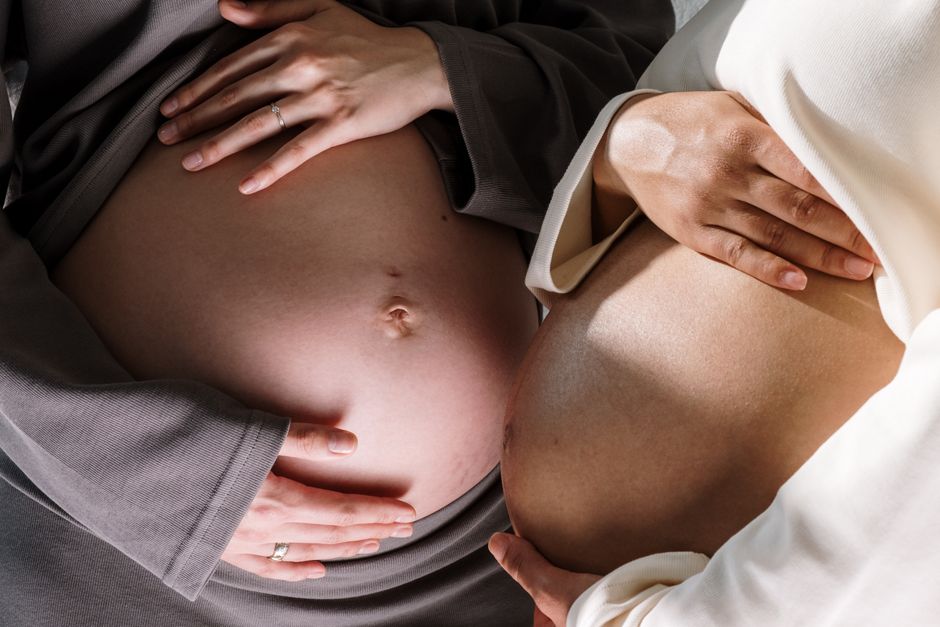
A belly band is a stretchy wrap worn around the lower abdomen and lower back during pregnancy. It provides gentle compression and support to the belly and pelvic area, which can ease back pain and improve posture. After childbirth, a belly band offers core support and light compression, but it does not permanently reshape the body or “snap you back” to your pre-pregnancy size.
What Does A Belly Band Do For Pregnancy And Recovery?
A belly band is a wide, elasticized garment that wraps around your midsection. During pregnancy, it sits low over the hips and under the belly, lifting some of the weight from your pelvic floor and lower back. In the postpartum period, it works differently—it provides gentle compression to the abdomen, which can make you feel more stable and supported while your core muscles recover.
The key point is this: a belly band is a support tool, not a treatment. It can make daily activities more comfortable, but it does not heal torn muscles, tighten loose skin, or reduce body fat. Understanding what it can and cannot do is the first step in deciding whether it is worth using.
How Does a Belly Band Help During Pregnancy?
During pregnancy, your growing baby shifts your center of gravity forward. To compensate, many women arch their lower back, which strains the muscles and ligaments there. A belly band helps by lifting the belly slightly and pulling the pelvis into a more neutral position.
This support can reduce the load on your lower back and sacroiliac joints—the joints where your pelvis meets your spine. Research suggests that maternity support belts can reduce pregnancy-related back pain for some women, though results vary from person to person.
Belly bands are most effective during the second and third trimesters when the belly is heavy enough to cause noticeable strain. Some women find them helpful earlier, especially if they already have back issues or are on their feet all day.
They also help with a condition called diastasis recti, where the abdominal muscles separate during pregnancy. The band does not fix the separation, but it can reduce the pulling sensation and discomfort that comes with it.
Can a Belly Band Prevent Diastasis Recti?
No. A belly band cannot prevent the abdominal muscles from separating. Diastasis recti happens because the connective tissue between the two sides of the rectus abdominis muscle stretches under the pressure of the growing uterus. This is a physical, structural change that a wrap cannot stop.
What a belly band can do is make the separation more comfortable. Many women report that wearing a band reduces the “pulling apart” feeling they get when standing or walking. It can also provide a sense of security when coughing, sneezing, or lifting something.
If you are concerned about diastasis recti, the most helpful approach is to see a pelvic floor physical therapist. They can assess your specific situation and teach you exercises that support your core without worsening the separation. A belly band is a comfort measure, not a prevention strategy.





What Does a Belly Band Do After Birth?
After delivery, your abdominal muscles are stretched and weak. Your uterus is still enlarged, and your organs are settling back into place. A postpartum belly band provides gentle compression that can make you feel more secure and supported during this transition.
Many women use a belly band after a C-section. The band holds the incision site gently, reducing the sensation of pulling or tugging when you move. It can also provide a layer of protection if you accidentally bump your abdomen. This is a common use and one that many women report being genuinely helpful.
For vaginal deliveries, the benefits are less about protection and more about comfort. Some women like the feeling of compression because it mimics the support they felt during pregnancy. Others find it helps them stand up straighter as their core muscles recover.
Here is what a belly band will not do after birth:
- It will not shrink your uterus back to normal size. That happens naturally over six to eight weeks.
- It will not tighten loose skin. Skin elasticity is genetic and changes with age.
- It will not burn belly fat. No garment can do that.
- It will not close diastasis recti. Only targeted exercise and time can improve that.
Does a Postpartum Belly Band Help You Lose Weight?
No. A belly band does not help you lose weight. It may make you look slimmer while you wear it because it compresses tissue, but that effect disappears the moment you take it off.
Weight loss after pregnancy comes from a combination of healthy eating, physical activity, and time. Your body retains extra fluid for weeks after birth, and that fluid has to leave on its own schedule. No wrap or band speeds that up.
Some brands market postpartum bands as a way to “restore your figure” or “flatten your tummy.” These claims are not supported by clinical evidence. If a product promises to reshape your body, treat that claim with skepticism.
What a band can do is help you feel more comfortable during the early postpartum weeks. Feeling physically supported can make it easier to walk, move, and care for your baby. That is a real benefit—just not a cosmetic one.
How Long Should You Wear a Belly Band?
There is no universal recommendation for how long to wear a belly band each day. Most manufacturers suggest starting with a few hours and gradually increasing as your body adjusts. Listen to your body—if the band feels uncomfortable or causes pain, take it off.
During pregnancy, many women wear the band only when they are up and active—walking, shopping, or working. Sitting for long periods usually does not require support, and wearing the band while seated can be uncomfortable.
After birth, the same principle applies. Wear it when you need support, not around the clock. Your skin needs air, and your muscles need to work naturally to regain strength. Relying on a band constantly can actually delay muscle recovery because your core never has to engage on its own.
A reasonable approach is to wear the band for a few hours at a time, especially during activity, and take it off when resting or sleeping. If you are unsure, check with your healthcare provider or a pelvic floor physical therapist.
Are There Any Risks to Wearing a Belly Band?
Belly bands are generally safe, but they are not risk-free. Wearing one too tightly can restrict circulation, cause skin irritation, or push on your stomach and cause acid reflux. It can also put unnecessary pressure on your pelvic floor.
If you feel numbness, tingling, or pain while wearing a band, remove it immediately. These signs mean the band is too tight or positioned incorrectly. A properly fitted band should feel snug but not constricting. You should be able to slip two fingers between the band and your skin.
During pregnancy, avoid bands that put direct pressure on the top of your belly. The support should come from underneath and around the sides, not from squeezing the uterus. This is especially important in the third trimester.
After a C-section, wait until your incision has started to heal before using a band over the wound. Ask your doctor when it is safe to begin. Some women are told to wait several weeks; others receive a band in the hospital. Follow your surgeon’s advice.
How Is a Belly Band Different From a Binder or Corset?
These terms are often used interchangeably, but they are not the same thing. A belly band is a stretchy, flexible wrap that provides light to moderate support. A binder is typically firmer and more structured, often used after surgery to hold dressings in place or provide stronger compression.
A corset is a rigid garment with laces or hooks that is designed to shape the waist. Corsets can be dangerous in the postpartum period because they compress the abdominal organs and can worsen pelvic floor issues. Avoid corsets after birth, especially in the first few weeks.
If you choose to use a postpartum support garment, look for one that is breathable, adjustable, and comfortable. The best option is the one you will actually wear consistently—but not one that is so tight it causes discomfort or restricts movement.
Frequently Asked Questions
When should I start wearing a belly band after birth?
For a vaginal delivery, you can usually start right away if it feels comfortable. After a C-section, wait until your doctor gives you the go-ahead, which is typically after your incision has begun to heal.
Can I sleep in a belly band?
It is not recommended to sleep in a belly band. Your body needs to move naturally during sleep, and prolonged compression can restrict circulation and irritate your skin.
Will a belly band help my C-section scar heal?
A belly band can protect the incision area from friction and pulling, which may help you feel more comfortable. It does not speed up wound healing itself—that depends on your body’s natural recovery process.
How tight should a belly band be?
A belly band should be snug but not tight. You should be able to fit two fingers comfortably between the band and your skin, and it should never cause pain, numbness, or tingling.
