
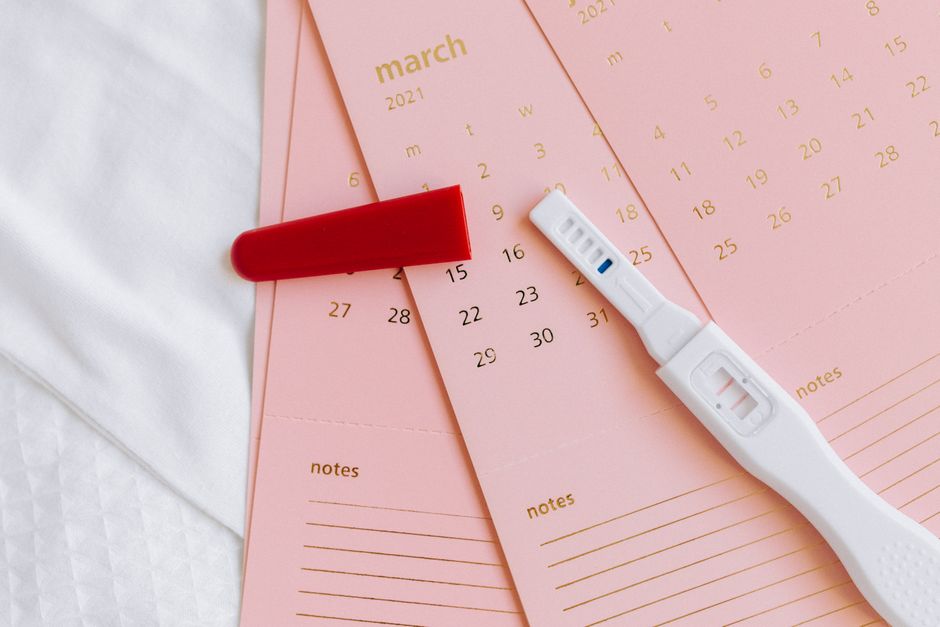
At four weeks pregnant, you are almost certainly still waiting for a missed period. Your body has no bump, no flutter, and no outward sign that anything has changed. Inside, though, a lot is already happening. The fertilized egg has implanted in the lining of your uterus, and the cells that will become your baby and your placenta are dividing fast.
For most people, the four-week mark falls right around the time of the expected period. Pregnancy is measured from the first day of your last menstrual period, not from conception. That means at four weeks, the embryo itself is only about two weeks old. Many people do not yet know they are pregnant at this stage, and that is normal.
What Is Actually Happening Inside at 4 Weeks?
Implantation is the main event. After fertilization, the early embryo travels down the fallopian tube and burrows into the uterine lining. This usually happens somewhere between roughly 6 and 12 days after ovulation. Once implanted, the embryo begins producing human chorionic gonadotropin, or hCG, the hormone that pregnancy tests detect.
The embryo at this point is a small ball of rapidly dividing cells called a blastocyst. It has not yet formed a recognizable shape. There is no heart, no brain, and no limbs. Those structures come later. What exists now is a cluster of cells with two jobs: one group will become the baby, and the other will become the placenta, the organ that delivers oxygen and nutrients throughout pregnancy.
Your uterus is starting to build a thicker lining and a new blood supply to support the pregnancy. Your body is also ramping up progesterone, the hormone that helps maintain the uterine lining and prevents it from shedding. That rise in progesterone is what causes many early pregnancy symptoms, though at four weeks those symptoms may be mild or absent.
What Does a 4 Week Pregnancy Look Like on an Ultrasound?
At four weeks, an ultrasound typically shows nothing recognizable in the uterus. The embryo is far too small to see. A gestational sac, the fluid-filled structure that surrounds the early embryo, usually becomes visible on transvaginal ultrasound sometime around five weeks, and sometimes a bit earlier. At four weeks, it is often too soon.
This is why most clinicians do not schedule an ultrasound this early unless there is a specific reason, such as pain, bleeding, or a history of ectopic pregnancy. An ultrasound at four weeks that shows no sac does not mean something is wrong. It usually just means the pregnancy is too early to be seen.
If you take a home pregnancy test at four weeks, results vary. Some tests can detect hCG around the time of a missed period. Others may not show a positive result until a few days later. The amount of hCG in your urine roughly doubles every two to three days in early pregnancy, so timing matters. Testing too early can produce a false negative even in a normal pregnancy.
What Symptoms Should You Expect at 4 Weeks?
Symptoms at four weeks are often subtle, and some people have none at all. When symptoms do appear, they tend to resemble premenstrual symptoms, which is part of why early pregnancy can be easy to miss.
- Tender or swollen breasts
- Mild cramping, similar to period cramps
- Light spotting, sometimes called implantation bleeding
- Fatigue
- Mild nausea, though this often starts later
- Frequent urination
- Food aversions or a heightened sense of smell
Implantation bleeding is worth a closer look. It is usually light, pink or brown, and short-lived. It happens when the embryo attaches to the uterine lining. Not everyone experiences it, and heavy bleeding is not typical. If bleeding is heavy, bright red, or accompanied by significant pain, that warrants a call to a clinician rather than waiting.
Mild cramping is also common and usually not a cause for concern. The uterus is changing, and the hormones are shifting. But cramping that is severe, one-sided, or paired with dizziness should be evaluated promptly, because it can sometimes signal an ectopic pregnancy, where the embryo implants outside the uterus. Ectopic pregnancy is uncommon but serious, and it cannot be ruled out by symptoms alone.





How Is a 4 Week Pregnancy Confirmed?
A home urine test is the usual first step. These tests detect hCG and are generally reliable when used after a missed period. If the result is positive, the next step is typically a visit with a clinician, though many practices wait until around eight weeks for a first appointment unless there are concerns.
A blood test can measure the exact level of hCG. In early pregnancy, hCG levels rise in a fairly predictable pattern, and clinicians sometimes check two blood draws a few days apart to see whether the level is rising as expected. A single number is less useful on its own, because normal hCG levels vary widely between individuals at the same stage.
Ultrasound is used later, once the pregnancy is far enough along to be visible. At four weeks, a positive test is usually confirmation enough.
What Should You Do at 4 Weeks Pregnant?
The honest answer is that there is not much you need to do differently yet, but a few steps make sense. Start a prenatal vitamin that contains folic acid, if you have not already. Folic acid is well established in reducing the risk of certain birth defects that affect the brain and spine, and these defects can form very early, often before many people know they are pregnant.
Avoid alcohol and smoking. There is no known safe amount of alcohol during pregnancy, and this is one of the more consistent positions across clinical guidance. If you take prescription medications, check with a clinician before making changes. Do not stop a needed medication on your own without guidance.
Limit caffeine to a moderate level. General guidance from major health organizations suggests keeping caffeine under about 200 milligrams per day during pregnancy, which is roughly one 12-ounce cup of coffee. The evidence on very low levels is less clear, but the moderate limit is a widely used reference point.
Contact a clinician if you have heavy bleeding, severe or one-sided pain, dizziness, or fainting. These are not typical at four weeks and should be checked.
How Common Is Miscarriage at 4 Weeks?
Early pregnancy loss is more common than many people realize. A large share of miscarriages happen in the first several weeks, often before a person even knows they are pregnant. Because four weeks is so early, some pregnancies that begin do not continue, and this is usually due to chromosomal factors that are not within anyone’s control.
This is a hard topic, and it is worth being direct about it. Most early losses are not caused by anything the person did or did not do. Exercise, sex, stress, and most everyday activities are not known to cause miscarriage. If you experience bleeding or cramping and are worried, reaching out to a clinician is reasonable, even if it turns out to be nothing.
When Does the Pregnancy Start to Feel Real?
For many people, four weeks is a quiet, uncertain time. The test may be faint. The symptoms may be mild. It can feel strange to know something is happening without any visible proof. That is normal. Over the next few weeks, hCG levels rise, symptoms often become more noticeable, and an ultrasound around six to eight weeks can show a heartbeat and confirm the pregnancy is progressing.
If you are not sure whether you are pregnant, waiting a few days and testing again is a reasonable approach. hCG rises quickly in early pregnancy, so a test that was negative at four weeks may be positive a few days later.
Frequently Asked Questions
Can you see anything on an ultrasound at 4 weeks pregnant?
Usually not. At four weeks, the embryo is too small to be seen, and a gestational sac typically becomes visible closer to five weeks on transvaginal ultrasound.
What does a 4 week pregnancy look like on a test?
A home test at four weeks may show a positive result, sometimes with a faint line, because hCG levels are still relatively low. Testing a few days later often gives a clearer result.
Is cramping normal at 4 weeks pregnant?
Mild cramping is common and usually related to the uterus changing and hormone shifts. Severe, one-sided, or persistent pain should be evaluated by a clinician promptly.
How big is the embryo at 4 weeks?
The embryo is smaller than a grain of rice and not yet shaped like a baby. It is a small cluster of dividing cells that has just implanted in the uterine lining.
