
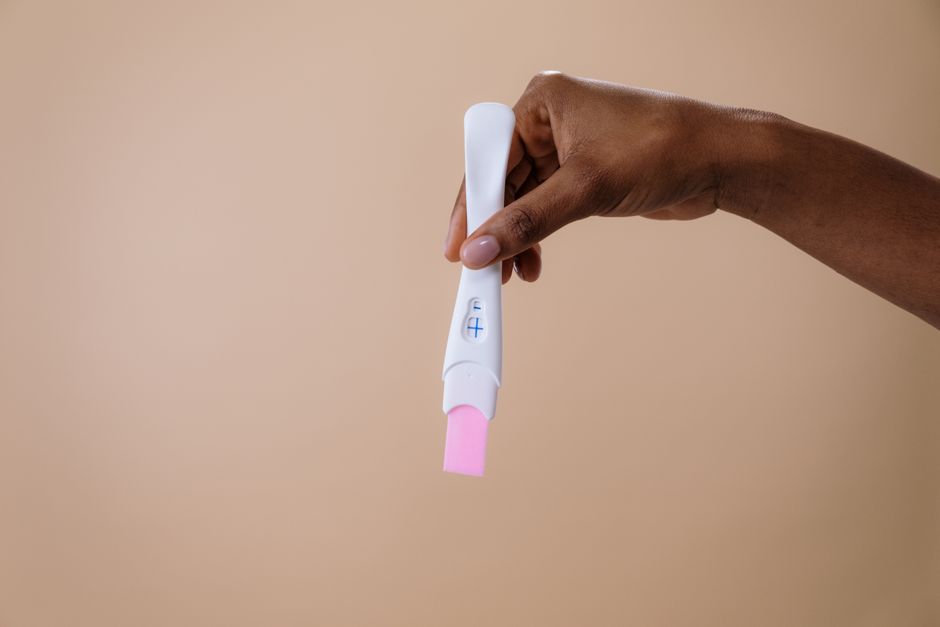
Finding out if you are pregnant is a moment many people want to reach as quickly as possible. The answer to “how early can you test” depends on the type of test you use and the timing of ovulation. Home pregnancy tests detect the hormone hCG in your urine, and this hormone only appears after a fertilized egg implants in the uterus. In most cases, a home test can give you an accurate result about 12 to 14 days after ovulation, which is roughly the first day of your missed period.
How Do Home Pregnancy Tests Work?
Home pregnancy tests measure a hormone called human chorionic gonadotropin, or hCG. Your body starts producing this hormone only after a fertilized egg attaches to the lining of the uterus. This process is called implantation.
Implantation typically happens 6 to 10 days after ovulation. Once implantation occurs, hCG levels rise quickly. They usually double every 48 to 72 hours in early pregnancy. The test detects hCG in your urine, and the amount needs to reach a certain level before the test shows a positive result.
Most home tests are designed to detect hCG levels of 20 to 25 mIU/mL. Your urine hCG concentration reaches that level at different times for different people. That timing difference is why testing too early often produces a false negative.
How Early Can You Test For Pregnancy?
The shortest answer is that you can test as early as 8 to 10 days after ovulation with an early detection test. However, testing this early carries a higher risk of a false negative result. The most reliable time to test is on the first day of your missed period, which is approximately 14 days after ovulation.
Early detection tests are more sensitive than standard tests. They can pick up lower levels of hCG in your urine. But even with these sensitive tests, your hCG level may simply not be high enough yet on day 8 or 10. A negative result at this point does not mean you are not pregnant. It may just mean it is too early to tell.
If you test early and get a negative result, wait two to three days and test again. Your hCG levels should have risen enough by then to produce a clear result.
What Is the Best Time of Day to Take a Pregnancy Test?
Your urine is most concentrated when you first wake up in the morning. This is because you have not been drinking fluids overnight, which can dilute the hCG in your urine. For this reason, morning is the best time to take a pregnancy test, especially if you are testing before your missed period.
If you are testing after your missed period, the time of day matters less. Your hCG levels are higher by this point, so even diluted urine should contain enough hormone for the test to detect. Still, testing with your first morning urine is the safest choice if you want the most accurate result.
Avoid drinking large amounts of fluid before testing. Excess fluid dilutes your urine and can lower the hCG concentration, which may lead to a false negative result.




What About Blood Tests?
Blood tests can detect pregnancy earlier than urine tests. A blood test can find hCG in your bloodstream about 6 to 8 days after ovulation. This is before implantation has even fully completed in some cases.
There are two types of blood pregnancy tests. A qualitative test simply gives a yes or no answer. A quantitative test measures the exact amount of hCG in your blood. The quantitative test is sometimes called a beta hCG test.
Blood tests are performed in a doctor’s office or laboratory. They are not something you do at home. Most doctors do not order a blood pregnancy test unless there is a medical reason, such as a suspected ectopic pregnancy or a history of miscarriage. For most people, a home urine test is sufficient and accurate.
Understanding False Negatives and False Positives
A false negative is when the test says you are not pregnant but you actually are. This is the most common error with home pregnancy tests. It usually happens because you tested too early. Your hCG levels were not high enough for the test to detect.
A false positive is when the test says you are pregnant but you are not. This is much less common. It can happen if you have certain medical conditions, take fertility medications containing hCG, or have a chemical pregnancy. A chemical pregnancy is an early miscarriage that occurs shortly after implantation.
Some medications can interfere with pregnancy test results. Fertility medications that contain hCG can cause a false positive. Pain medication, antibiotics, and birth control pills do not affect pregnancy test results. If you get a positive result and then start your period, or if the positive result seems wrong, contact your doctor.
What Are the Earliest Signs of Pregnancy?
Some people notice symptoms before they miss their period. These early signs are caused by the rapid rise in hormones, especially progesterone and hCG. However, these symptoms are not reliable on their own. Many of them overlap with premenstrual syndrome, or PMS.
Common early signs include:
- Tender or swollen breasts
- Fatigue
- Mild cramping or spotting
- Nausea, with or without vomiting
- Frequent urination
- Food aversions or cravings
These symptoms can appear as early as one week after conception. But they can also appear for reasons unrelated to pregnancy. The only way to confirm pregnancy is a positive test result. Do not rely on symptoms alone to decide whether you are pregnant.
How Accurate Are Home Pregnancy Tests?
Home pregnancy tests are highly accurate when used correctly. Studies have found that most tests are over 99 percent accurate when used on the first day of a missed period. The accuracy depends on following the instructions exactly and testing at the right time.
Using the test incorrectly is a common cause of inaccurate results. Leaving the test in urine too long or not long enough can affect the result. Reading the test after the recommended waiting time can also cause problems. An evaporation line can appear after the test dries, and this line can look like a faint positive result.
Always read the test within the time window specified in the instructions. Usually this is 3 to 5 minutes. Reading it later than that can lead to a false positive interpretation.
Frequently Asked Questions
Can I test 5 days before my missed period?
Yes, but the chance of a false negative is higher. Some early detection tests claim to work this early, but your hCG level may not be high enough yet.
How long after implantation can I test positive?
You can usually get a positive result about 2 to 4 days after implantation. Implantation typically occurs 6 to 10 days after ovulation, so a positive test usually appears around 10 to 14 days after ovulation.
Can a negative test turn positive later?
Yes, if you test too early and get a negative result, testing again in a few days can show a positive result. Your hCG levels rise quickly in early pregnancy, so waiting 48 to 72 hours before retesting is the best approach.
Does a faint line mean I am pregnant?
A faint line usually means you are pregnant, especially if it appears within the reading window. The line indicates hCG is present, even if the level is low. Test again in two days to confirm the line becomes stronger.
