
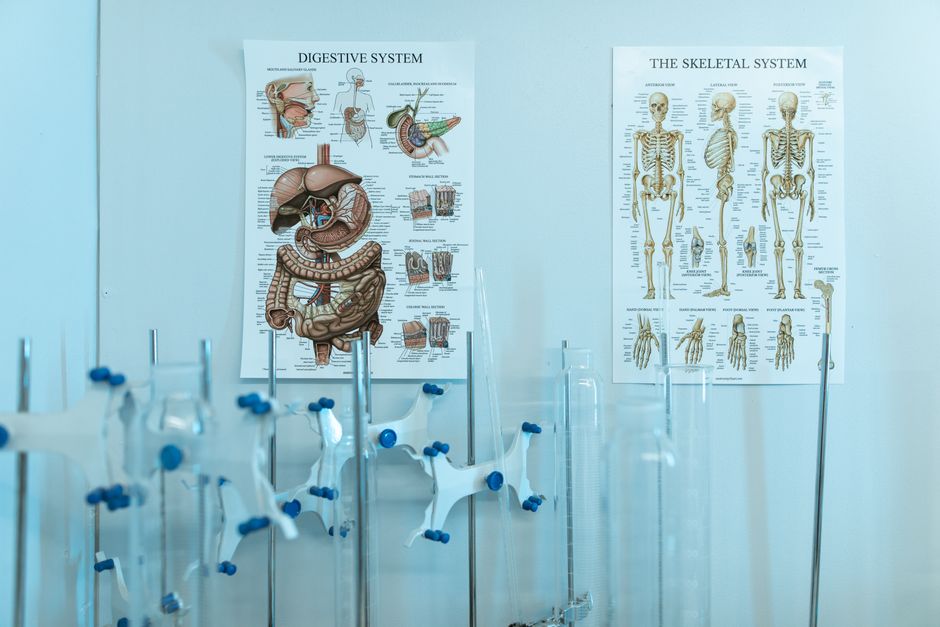
The skeletal system is often described as the framework of the human body, but that description misses half the story. When most people think of bones, they picture a static structure—something that holds us up and gives us shape. In reality, the skeletal system is a living, active collection of organs that performs far more than mechanical work. It produces blood cells, stores minerals, and protects the most delicate tissues in the body. The organs in the skeletal system include the bones, cartilage, ligaments, and tendons, each with a distinct job that keeps the entire system functional.
What Are The Organs In The Skeletal System?
The organs in the skeletal system are the bones, cartilage, ligaments, and tendons. Bones are the rigid organs that provide structure and support. Cartilage is a flexible connective tissue that cushions joints and shapes parts of the body like the ears and nose. Ligaments are tough bands that connect bone to bone, holding joints together. Tendons attach muscle to bone, allowing movement to occur. Together, these four tissue types form a complete organ system that supports the body, protects internal organs, and enables motion.
Each of these components is considered an organ because it contains multiple tissue types working together for a specific function. A single bone, for example, contains bone tissue, blood vessels, nerves, and marrow. That combination of tissues operating as one unit is what defines an organ.
Why Are Bones Considered Organs?
Bones are not just hard rods of calcium. They are living structures with blood flow, nerves, and ongoing cellular activity. A bone contains compact tissue on the outside, spongy tissue on the inside, and bone marrow in the center. Blood vessels thread through the entire structure, delivering oxygen and nutrients. Nerves send signals about pressure and pain.
Bone cells constantly remodel the tissue. Osteoblasts build new bone, osteoclasts break down old bone, and osteocytes maintain the structure. This continuous turnover means bones respond to stress, heal after injury, and change with age. That level of biological activity qualifies bones as organs, not inert materials.
The skeleton of an adult human contains 206 bones. Infants are born with around 300, but many of these fuse together during childhood and adolescence. The number stabilizes at 206 by early adulthood in most people.
What Role Does Cartilage Play in the Skeletal System?
Cartilage is a firm but flexible tissue that acts as a shock absorber and a smooth surface for joint movement. It covers the ends of bones where they meet to form joints. This coating reduces friction during movement and distributes weight across the joint surface.
Cartilage has no blood supply of its own. It receives nutrients through diffusion from the fluid in joints. This is why cartilage injuries heal slowly and why cartilage wears down over time in conditions like osteoarthritis. The tissue simply does not have the repair capacity that bone has.
Cartilage also shapes parts of the body that are not joints. The outer ear, the tip of the nose, and the rings around the windpipe are all made of cartilage. In these locations, it provides flexible support that holds shape without being rigid.




How Do Ligaments and Tendons Fit Into the Skeletal System?
Ligaments and tendons are dense connective tissues that make movement possible. They are often grouped with the skeletal system because they directly connect and stabilize its parts.
Ligaments connect bone to bone. They hold joints together and prevent excessive movement in any direction. A sprain happens when a ligament stretches or tears. The ankle, knee, and wrist are common sites for ligament injuries because these joints rely heavily on ligament support.
Tendons connect muscle to bone. When a muscle contracts, the tendon pulls on the bone, causing movement at the joint. The Achilles tendon, for example, connects the calf muscles to the heel bone and is essential for walking, running, and jumping. Tendons are strong but not very elastic, which makes them vulnerable to overuse injuries.
Both ligaments and tendons are sometimes classified separately as part of the musculoskeletal system rather than the skeletal system alone. That distinction matters less than understanding their function. Without them, bones could not form working joints or produce movement.
What Does Bone Marrow Do?
Bone marrow is a soft tissue found inside the hollow centers of certain bones. It is one of the most important organs within the skeletal system because it produces blood cells.
Red bone marrow produces red blood cells, white blood cells, and platelets. Red blood cells carry oxygen, white blood cells fight infection, and platelets help blood clot. This process is called hematopoiesis, and it happens continuously throughout life.
In children, most bones contain red marrow. As people age, much of this red marrow converts to yellow marrow, which stores fat. By adulthood, red marrow is mostly found in the spine, ribs, sternum, skull, and the ends of the long bones like the femur and humerus. The body still produces blood cells, but the active sites become more concentrated.
Bone marrow transplants are a treatment for certain blood cancers and blood disorders because the marrow is the source of the entire blood cell population.
How Does the Skeletal System Protect Organs?
The skeleton does more than support the body. It physically shields several vital organs from injury. The skull encloses the brain. The rib cage surrounds the heart and lungs. The vertebral column protects the spinal cord.
This protective function is why the ribs are structured the way they are. They are curved, overlapping in layers of muscle, and connected to the spine at the back and the sternum at the front. The design absorbs impact and distributes force across multiple bones rather than concentrating it in one spot.
The pelvis protects the bladder, parts of the intestines, and reproductive organs in both men and women. During pregnancy, the pelvis also supports the growing uterus and provides a passage for childbirth.
Bones also store and release minerals, primarily calcium and phosphorus. When blood calcium levels drop, the body draws calcium from bone. When levels are high, it stores the excess. This mineral regulation is a vital metabolic function that has nothing to do with support or movement.
What Are the Main Types of Bones?
Bones come in several shapes, and each shape relates to its function. Long bones are found in the arms and legs. They act as levers that allow movement. The femur, the thigh bone, is the longest and strongest bone in the body.
Short bones are roughly cube-shaped and found in the wrists and ankles. They provide stability and allow some movement. Flat bones include the skull, ribs, and sternum. They protect organs and provide large surfaces for muscle attachment. Irregular bones include the vertebrae and the bones of the face. They have complex shapes that do not fit into the other categories.
Sesamoid bones are a small group embedded within tendons. The kneecap, or patella, is the best-known example. These bones protect tendons from stress and wear.
How Do Bones Change Throughout Life?
Bone is dynamic tissue that changes over a lifetime. During childhood and adolescence, bone formation outpaces bone breakdown. This is when peak bone mass is built. Most people reach their maximum bone density by their late 20s.
After about age 30, bone breakdown gradually outpaces bone formation. Bone density slowly declines. This natural process accelerates in women after menopause due to the drop in estrogen, a hormone that helps protect bone. Men also lose bone with age, but the decline usually starts later and progresses more slowly.
Weight-bearing exercise, adequate protein, and sufficient calcium and vitamin D help maintain bone strength. Smoking, heavy alcohol use, and prolonged inactivity accelerate bone loss. Osteoporosis is the condition where bone density drops low enough that fractures occur with minor stress.
Frequently Asked Questions
Are teeth part of the skeletal system?
Teeth are not considered part of the skeletal system. They are part of the digestive system and are made of enamel, dentin, and pulp, which differ from bone tissue.
How many bones are in the adult human body?
An adult human has 206 bones. Infants are born with about 300 bones, but many fuse together during growth.
What is the difference between ligaments and tendons?
Ligaments connect bone to bone and stabilize joints. Tendons connect muscle to bone and transmit force to produce movement.
Can bone marrow regenerate after donation?
Yes, bone marrow regenerates after donation. The body replaces the donated marrow within a few weeks, and most donors return to normal activity quickly.
