
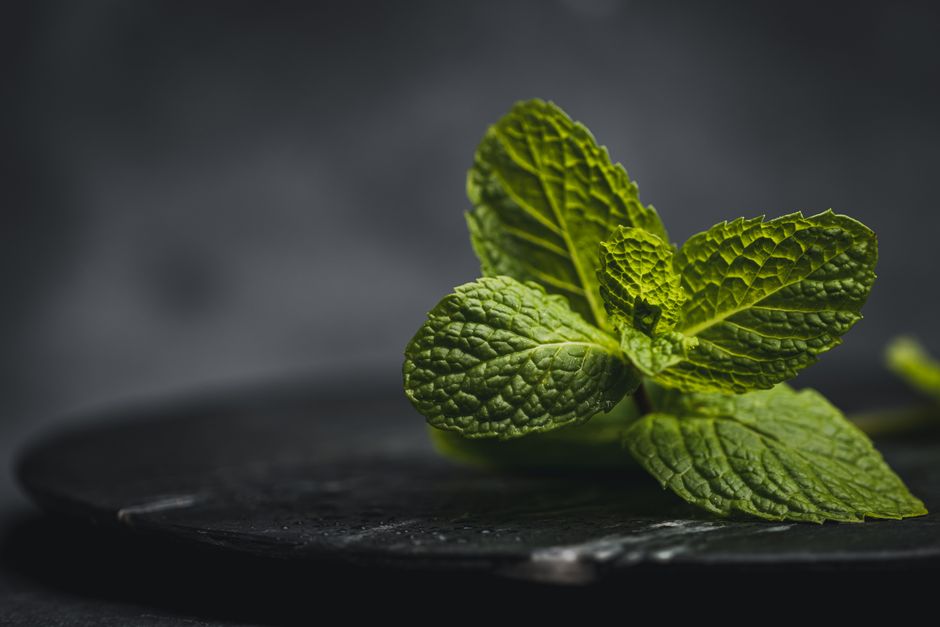
Mint leaves are one of the most useful herbs you can keep in your kitchen. You can use them fresh or dried in cooking, teas, drinks, and as a garnish. Some people use mint leaves for mild digestive relief or to freshen breath. But they are not a medical treatment. For most healthy adults, mint leaves are safe to eat in normal food amounts.
What Do You Do With Mint Leaves?
Mint leaves have a wide range of everyday uses. In the kitchen, they add a cool, fresh flavor to both sweet and savory dishes. You can chop them into salads, stir them into yogurt sauces, or blend them into chutneys and pestos. Mint is a classic ingredient in teas, lemonade, and cocktails like mojitos. Dried mint works well in spice blends for lamb, rice dishes, or soups.
Beyond cooking, mint leaves are used in home remedies. Peppermint tea is a common choice for settling an upset stomach or easing bloating. Some people crush fresh mint leaves and rub them on the skin to soothe itching from insect bites, though clinical evidence for this use is limited. The strong aroma of mint is also used in aromatherapy for a feeling of alertness or refreshment.
Mint leaves are also easy to grow and store, making them a practical herb to keep on hand. The key is to use them soon after harvesting for the best flavor.
Can Mint Leaves Improve Digestion and Relieve Nausea?
Peppermint is one of the most studied herbs for digestive health. Research consistently shows that peppermint oil capsules can reduce symptoms of irritable bowel syndrome, including bloating, gas, and abdominal pain. The active compound in peppermint, menthol, relaxes the smooth muscles of the digestive tract, which may help relieve cramping.
For nausea, the evidence is more limited. Some studies suggest that peppermint aromatherapy or peppermint tea may help with mild nausea, but it is not a first-line treatment for morning sickness or chemotherapy-related nausea. If you are pregnant, check with your doctor before using large amounts of mint or peppermint oil. The safety of concentrated peppermint oil during pregnancy is not well established.
One important caution: mint can actually worsen heartburn or acid reflux in some people. Because it relaxes the lower esophageal sphincter, stomach acid can more easily flow back into the esophagus. If you have GERD, mint may trigger symptoms rather than help.
How to Store Fresh Mint Leaves for Maximum Freshness
Fresh mint leaves wilt quickly at room temperature. To keep them fresh longer, treat them like cut flowers. Trim the stems and place them upright in a glass with about an inch of water. Cover the leaves loosely with a plastic bag and store in the refrigerator. Change the water every two days. This method keeps mint fresh for up to a week.
Another option is to wrap the leaves in a slightly damp paper towel, then place them in a zip-top bag in the fridge. For longer storage, you can freeze mint leaves. Chop them and fill an ice cube tray with the chopped mint and water or oil. These mint cubes can be added directly to soups, sauces, or teas.
Dried mint is also easy to prepare. Hang bunches of mint upside down in a dry, dark place for about two weeks. Crumble the dried leaves into an airtight jar. Dried mint loses some of its bright flavor but is still useful for cooking.




How to Grow Mint at Home Successfully
Mint is one of the easiest herbs to grow. It thrives in partial shade and moist soil. However, mint is very invasive. Plant it in a container or a raised bed to prevent it from spreading to other parts of your garden. A pot that is at least 12 inches wide works well. Use well-draining potting soil and water regularly to keep the soil evenly moist.
You can start mint from seeds, but cuttings or small starter plants are faster and more reliable. Take a 4‑ to 6‑inch cutting from a healthy mint plant, remove the lower leaves, and place it in a glass of water. Roots appear in about one to two weeks. Once rooted, transfer the cutting to soil. Mint grows best in temperatures between 60 and 75°F. Harvest leaves regularly to encourage bushier growth, but never take more than one-third of the plant at a time.
Are There Any Health Risks with Mint Leaves?
For most people, mint leaves in normal food amounts are safe. Risks come from concentrated forms or large medicinal doses. Peppermint oil, especially when taken in high doses, can cause nausea, abdominal pain, or allergic reactions. Pure menthol can be toxic if swallowed in large amounts. Never give peppermint oil to young children, as menthol can cause breathing problems in infants.
People with gallstones or bile duct obstructions should check with a doctor before using mint medicinally, because peppermint can affect bile flow. If you have acid reflux or GERD, mint may worsen your symptoms. Allergic reactions to mint are uncommon but possible. Stop use if you develop a rash, swelling, or throat tightness.
When using mint for its flavor or health effects, stick to culinary doses. If you are considering mint for a specific medical condition, talk to your healthcare provider first. The evidence supports its use for some digestive issues, but it is not a replacement for standard medical care.
Frequently Asked Questions
Can I eat mint leaves raw?
Yes, you can eat mint leaves raw in normal food amounts. They are safe to add to salads, smoothies, or as a garnish. Just wash them thoroughly first.
Is mint tea good for sleep?
Mint tea is caffeine-free and has a calming aroma, which may help some people relax. However, no strong clinical evidence shows it directly improves sleep quality.
How much mint is safe to eat per day?
There is no standard limit for dietary amounts of mint leaves. Eating a handful of fresh leaves daily is generally safe for healthy adults. Concentrated peppermint oil requires caution and should not be taken without guidance.
Can mint leaves help with bad breath?
Mint leaves can temporarily mask bad breath because of their strong scent and mild antibacterial properties. They do not address the underlying cause of chronic halitosis.
