
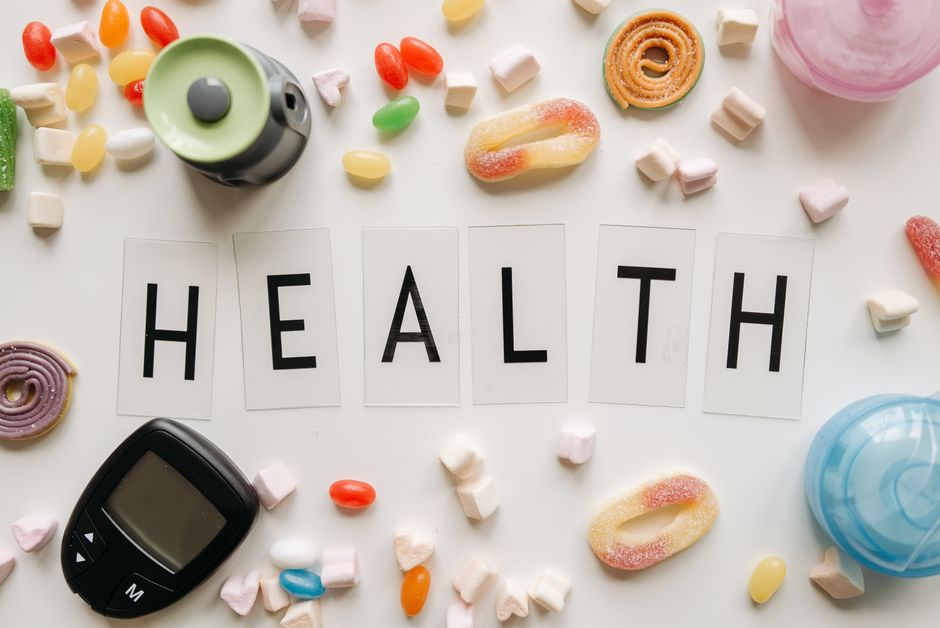
When your blood sugar spikes too high, the first thing to do is drink a glass of water and take a short walk if you are able. For people with diabetes, taking a rapid-acting insulin dose as prescribed by your doctor is the most effective way to bring it down. If your blood sugar is above 240 mg/dL, check your urine for ketones before exercising, because physical activity can make ketoacidosis worse. If you feel confused, nauseous, or have trouble breathing, call 911 immediately — this is a medical emergency.
What Counts as Too High Blood Sugar?
Blood sugar is considered too high when it goes above 180 mg/dL one to two hours after a meal. For fasting levels, anything above 126 mg/dL is in the diabetic range. The American Diabetes Association uses these numbers as standard clinical thresholds.
There is a difference between a temporary spike and consistently high levels. A single reading of 200 mg/dL after a large meal is not the same as waking up to 180 mg/dL every morning. The first is a response to food. The second suggests your body is not managing glucose well between meals.
Many people do not feel symptoms until blood sugar is well above 200 mg/dL. Some do not notice until it hits 300 mg/dL or higher. Common signs include frequent urination, extreme thirst, blurry vision, headache, and fatigue. If you are checking your blood sugar regularly, you will catch these levels before symptoms become severe.
What to Do Immediately for High Blood Sugar
If your monitor shows a high reading, start with water. Dehydration makes blood sugar worse because your kidneys need fluid to flush out excess glucose through urine. Drink a full glass of water and avoid any sugary drinks or juice.
Physical activity helps muscles use glucose without needing extra insulin. A 15-minute walk can lower blood sugar by 20 to 50 mg/dL in many people. But check your ketones first. If you have moderate or large ketones in your urine, do not exercise. That combination can push you into diabetic ketoacidosis, which is life-threatening.
Take your prescribed medication exactly as directed. If you use rapid-acting insulin for meal corrections, follow your doctor’s sliding scale or insulin-to-carb ratio. Never guess your dose. Taking too much insulin can cause a dangerous low blood sugar crash.
Wait 15 to 20 minutes and recheck your blood sugar. If it is dropping, continue with water and light activity. If it stays high or rises, contact your healthcare provider. Do not keep stacking insulin doses without knowing where your levels are headed.
How to Lower Blood Sugar Naturally Without Insulin
For people who are not on insulin or who want to support their medication, several evidence-based approaches help. Water is the simplest. One study published in Diabetes Care found that people who drank less than two glasses of water per day had significantly higher blood sugar levels than those who stayed hydrated.
Vinegar has research behind it. A meta-analysis in the Journal of Diabetes Research found that taking 10 to 20 grams of vinegar before a high-carb meal reduced post-meal blood sugar by 20 to 30 percent. That is about one to two tablespoons of apple cider vinegar mixed into water. Do not drink it undiluted — it can damage tooth enamel and your esophagus.
Walking after meals is backed by solid evidence. A 2013 study in Diabetologia showed that a 15-minute walk after each meal improved blood sugar control more than a single 45-minute walk in the morning. The effect was strongest after dinner.
Cinnamon gets a lot of attention, but the evidence is mixed. Some small studies show a modest reduction in fasting blood sugar, around 10 to 20 mg/dL. Larger reviews have not confirmed this consistently. If you like cinnamon in your food, use it. Do not rely on it as a treatment.
| Method | Evidence Level | Typical Blood Sugar Drop |
|---|---|---|
| Drinking water | Strong | Varies by hydration status |
| Walking 15 minutes | Strong | 20–50 mg/dL |
| Apple cider vinegar before meals | Moderate | 20–30% reduction in post-meal spike |
| Cinnamon supplementation | Weak | 10–20 mg/dL (inconsistent) |
| Stress reduction (deep breathing) | Moderate | Indirect effect through cortisol |



What Makes Blood Sugar Spike in the First Place?
Carbohydrates are the main driver. When you eat bread, rice, pasta, fruit, or sweets, your body breaks them into glucose. The faster they digest, the higher and quicker the spike. White rice and sugary drinks cause the biggest jumps. Fiber slows this down, which is why whole fruits spike blood sugar less than juice.
Stress is a hidden cause that many people overlook. Cortisol, the stress hormone, signals your liver to release stored glucose. This is called the dawn phenomenon when it happens in the early morning. But emotional stress at any time of day can push blood sugar up by 30 to 50 mg/dL in some people.
Illness and infection raise blood sugar too. Even a common cold can cause levels to climb. Your immune system releases hormones that work against insulin. If you are sick, check your blood sugar more often and stay hydrated.
Certain medications cause spikes. Steroids like prednisone are well known for this. Some blood pressure medications, diuretics, and even some antidepressants can raise glucose. If you start a new medication and notice high readings, talk to your doctor. Do not stop the medication on your own.
Skipping meals can backfire. When you go too long without eating, your liver dumps glucose to keep your brain fueled. If you take diabetes medication, this can create a pattern where you crash low, then spike high after the next meal. Consistent meal timing helps prevent this.
When High Blood Sugar Becomes an Emergency
Diabetic ketoacidosis, or DKA, is a serious complication of very high blood sugar. It happens most often in people with type 1 diabetes, but it can occur in type 2 diabetes during severe illness or stress. DKA develops when your body cannot use glucose for energy and starts breaking down fat instead, producing acids called ketones.
Symptoms of DKA include nausea, vomiting, abdominal pain, deep and rapid breathing, fruity-smelling breath, and confusion. If you have these symptoms and your blood sugar is above 300 mg/dL, seek emergency care immediately. DKA requires intravenous fluids and insulin in a hospital setting.
Hyperosmolar hyperglycemic state, or HHS, is another emergency more common in type 2 diabetes. Blood sugar levels can reach 600 mg/dL or higher. Symptoms include extreme thirst, dry mouth, fever, and confusion that can progress to coma. Like DKA, this is life-threatening and needs urgent medical treatment.
The CDC reports that about 244,000 emergency room visits each year are for DKA or HHS in adults with diabetes. Many of these visits are preventable with better blood sugar monitoring and early intervention. Do not wait to see if symptoms improve on their own.
Common Misconceptions About Lowering Blood Sugar Fast
One widespread myth is that drinking orange juice or eating candy will lower high blood sugar. This is dangerous misinformation. Sugar raises blood sugar. Orange juice is pure sugar. Eating sugar when your levels are already high will make them worse. The only time you eat sugar for blood sugar is when it is too low, not too high.
Another misconception is that vigorous exercise is better than walking for high blood sugar. Intense exercise like sprinting or heavy weightlifting can actually raise blood sugar temporarily because it triggers adrenaline. Moderate activity like walking or slow cycling is safer and more effective for bringing levels down.
Some people believe that taking extra diabetes medication on their own will fix a high reading faster. This is risky. Stacking insulin or doubling oral medication can cause severe hypoglycemia. Always follow your prescribed dosing plan. If you feel your plan is not working, talk to your doctor about adjusting it.
There is also a belief that high blood sugar only matters if you feel bad. Many people with diabetes develop nerve damage, kidney disease, and vision problems from years of moderately high blood sugar that they never felt. The damage happens silently. Consistent monitoring matters even when you feel fine.
What Do You Do If Blood Sugar Is Too High and You Do Not Have Diabetes?
If you do not have diabetes but your blood sugar reads high, the first step is to confirm the reading. Home glucose monitors are not always accurate. Wash your hands and retest. If it is still high, consider what you ate recently. A large meal with lots of carbs can cause a temporary spike even in people without diabetes.
Normal fasting blood sugar for someone without diabetes is below 100 mg/dL. After eating, it can rise to 140 mg/dL and still be normal. If your blood sugar is above 140 mg/dL after eating or above 100 mg/dL fasting, this could indicate prediabetes or undiagnosed diabetes.
The CDC estimates that about 1 in 5 people in the United States with diabetes do not know they have it. If you get a high reading on a home test, schedule a visit with your doctor. They will run an A1C test or an oral glucose tolerance test to get a clearer picture. Do not panic over one high reading, but do not ignore it either.
Lifestyle changes can help prevent progression. The Diabetes Prevention Program study, funded by the National Institutes of Health, found that losing 5 to 7 percent of body weight and doing 150 minutes of moderate exercise per week reduced the risk of developing type 2 diabetes by 58 percent. This works better than medication for many people.
Frequently Asked Questions
Can drinking water alone lower high blood sugar?
Yes, water helps your kidneys flush out excess glucose through urine, which can lower blood sugar by 20 to 40 mg/dL over a few hours if you were dehydrated.
How long does it take for blood sugar to come down after eating?
For most people, blood sugar starts dropping within 30 to 60 minutes after eating and returns to baseline within two to three hours if your body manages glucose well.
Is it safe to sleep with high blood sugar?
Sleeping with blood sugar above 200 mg/dL is not safe because levels can climb overnight and lead to dehydration or ketoacidosis, so check again before bed and take action if it is high.
Does cinnamon really lower blood sugar quickly?
No, cinnamon does not lower blood sugar quickly and has inconsistent effects in studies, so it should not replace water, exercise, or your prescribed medication.
