
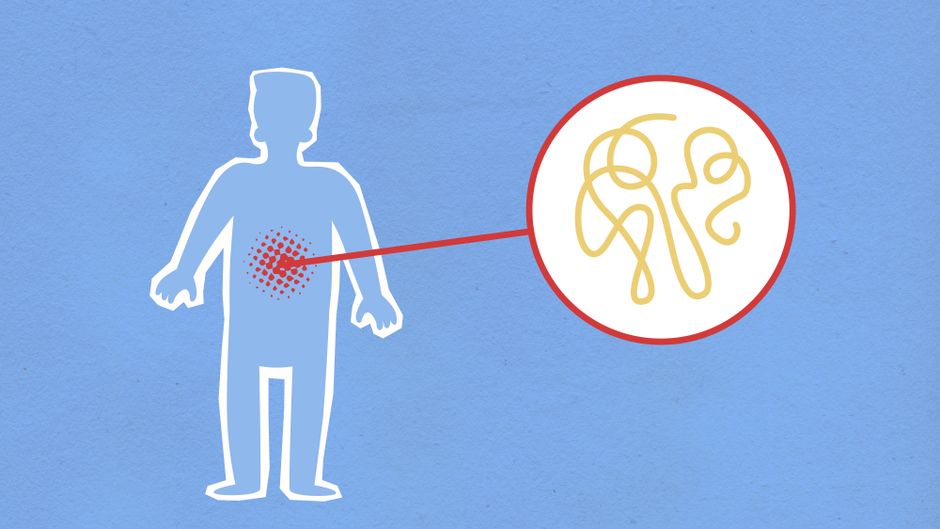
A stomach virus usually clears up in about one to three days. Most people feel back to normal within a week. The worst symptoms — vomiting and watery diarrhea — tend to hit hard for the first 24 to 48 hours and then ease off.
That timeline is typical for norovirus, the most common cause of what people call “stomach flu.” It is not actually influenza. Influenza attacks the respiratory system. This attacks the gut. The two are completely different viruses.
Knowing what to expect matters because dehydration — not the virus itself — is what sends most people to the hospital. Understanding the arc of the illness helps you know when to wait it out and when to get help.
How Long For A Stomach Virus to Run Its Course?
Most viral gastroenteritis resolves within one to three days. Norovirus, the leading cause, typically produces symptoms for 12 to 60 hours. Rotavirus tends to last longer — often three to eight days, and it hits young children hardest. Adenovirus and astrovirus fall somewhere in between.
The pattern usually looks like this:
- Hours 0–12: Nausea, stomach cramping, and the first round of vomiting or diarrhea.
- Hours 12–48: Peak symptoms. Vomiting may slow while diarrhea continues.
- Days 2–3: Symptoms fade. Appetite starts to return.
- Days 3–7: Energy comes back gradually. Some people feel wiped out for a few extra days.
One detail people rarely hear: you can still spread the virus for days after you feel fine. Norovirus can shed in stool for up to two weeks after recovery. That is why outbreaks move through households, schools, and cruise ships so efficiently. Handwashing matters long after the worst is over.
What Causes a Stomach Virus and How Does It Spread?
Norovirus causes roughly half of all outbreaks of foodborne illness in the United States, according to the Centers for Disease Control and Prevention. It spreads through tiny particles of stool or vomit that reach your mouth — often by way of contaminated food, water, or surfaces.
The virus is unusually tough. It survives freezing, heating, and many common disinfectants. Hand sanitizer does not reliably kill norovirus. Soap and water do.
Common routes of transmission include:
- Eating food handled by someone who is infected
- Touching a contaminated surface and then touching your mouth
- Close contact with a sick person, including sharing utensils or towels
- Swimming in contaminated water
Children in day care and people in nursing homes or hospitals face higher risk because the virus spreads easily in close quarters. Once the virus enters your body, it infects the lining of the small intestine. That lining stops absorbing fluids properly. The result is the watery diarrhea and vomiting that define the illness.
Stomach Virus vs. Food Poisoning: How Can You Tell?
They can look nearly identical. Both cause nausea, vomiting, diarrhea, and cramping. The main difference is timing and duration.
Food poisoning usually strikes within hours of eating contaminated food — often one to six hours. A stomach virus typically takes 12 to 48 hours after exposure before symptoms appear. Food poisoning often resolves faster, sometimes within 24 hours.
That said, the overlap is real. Norovirus is frequently transmitted through food, so a “food poisoning” case can actually be a stomach virus. Without lab testing, even doctors cannot always tell the difference. The practical advice is the same either way: hydrate, rest, and watch for signs of dehydration.
Bacterial food poisoning — from salmonella, E. coli, or listeria — can be more serious. Bloody diarrhea, a high fever above 102°F, or symptoms lasting more than three days warrant a call to your doctor. Those signs suggest something beyond a typical stomach virus.




How Do You Treat a Stomach Virus at Home?
There is no antiviral medication that treats norovirus or most other stomach viruses. Antibiotics do not work against viruses. Treatment focuses on replacing fluids and letting the illness run its course.
Oral rehydration solutions are the standard. These are not the same as sports drinks. Products like Pedialyte or similar solutions have a specific balance of sodium, sugar, and water that helps your gut absorb fluid more effectively. Sports drinks have too much sugar and too little sodium for this purpose.
If you cannot find an oral rehydration solution, the World Health Organization publishes a recipe for a homemade version using clean water, salt, and sugar. The proportions matter — too much sugar can make diarrhea worse.
Practical steps that help:
- Take small sips of fluid every few minutes rather than large gulps.
- Start with clear liquids, then add bland foods like crackers, rice, or toast as you tolerate them.
- Avoid dairy, caffeine, alcohol, and fatty or spicy foods until you feel better.
- Do not force yourself to eat. Fluids matter more in the first day.
Anti-diarrheal medications like loperamide can slow diarrhea in adults, but they should not be used if you have bloody stools or a high fever. In children, these medications are generally not recommended. Check with a doctor or pharmacist before giving any over-the-counter diarrhea medicine to a child.
When Should You See a Doctor?
Dehydration is the main danger. It sends more people with stomach viruses to the emergency room than the infection itself. Young children, older adults, and people with weakened immune systems are at highest risk.
Warning signs of dehydration include:
- Dark yellow or amber urine, or not urinating for eight hours or more
- Dry mouth, cracked lips, or sunken eyes
- Dizziness when standing up
- In young children: no tears when crying, unusual sleepiness, or a sunken soft spot on the head
Seek medical care if you see these signs. Also get help if vomiting prevents you from keeping any fluid down for more than 24 hours, if diarrhea lasts more than three days, or if you notice blood in your stool or vomit.
For infants and young children, the threshold for calling a doctor should be lower. A pediatrician can advise on oral rehydration and whether a visit is needed. No clinical guidelines support giving anti-diarrheal medication to infants.
How Can You Prevent a Stomach Virus From Spreading?
Handwashing with soap and water is the single most effective step. Wash for at least 20 seconds, especially after using the bathroom, changing diapers, and before preparing food. Hand sanitizer is not a substitute because it does not reliably kill norovirus.
If someone in your household is sick:
- Clean surfaces with a bleach-based cleaner. Norovirus resists many standard disinfectants.
- Wash contaminated clothing and bedding in hot water and dry on high heat.
- Do not share food, utensils, or towels.
- Keep the sick person home until at least 48 hours after symptoms stop.
There is no vaccine for norovirus available to the general public. A vaccine candidate has been in development for years, but as of current knowledge, none has been approved for widespread use. Rotavirus, however, does have a vaccine — it is part of the routine childhood immunization schedule in the United States and has substantially reduced severe cases in young children.
Frequently Asked Questions
How long does a stomach virus last?
Most stomach viruses resolve in one to three days, though norovirus symptoms typically last 12 to 60 hours. Rotavirus can last up to eight days, especially in young children.
Can you still be contagious after a stomach virus?
Yes. Norovirus can shed in stool for up to two weeks after you feel better. Wash your hands carefully during that time to avoid spreading it to others.
What should you eat with a stomach virus?
Start with small sips of oral rehydration solution, then add bland foods like crackers, rice, and toast as you tolerate them. Avoid dairy, caffeine, alcohol, and fatty or spicy foods until you recover.
When should you go to the hospital for a stomach virus?
Go if you cannot keep fluids down for more than 24 hours, see blood in your stool or vomit, or show signs of dehydration like dark urine or dizziness when standing. Young children and older adults should be evaluated sooner.
