
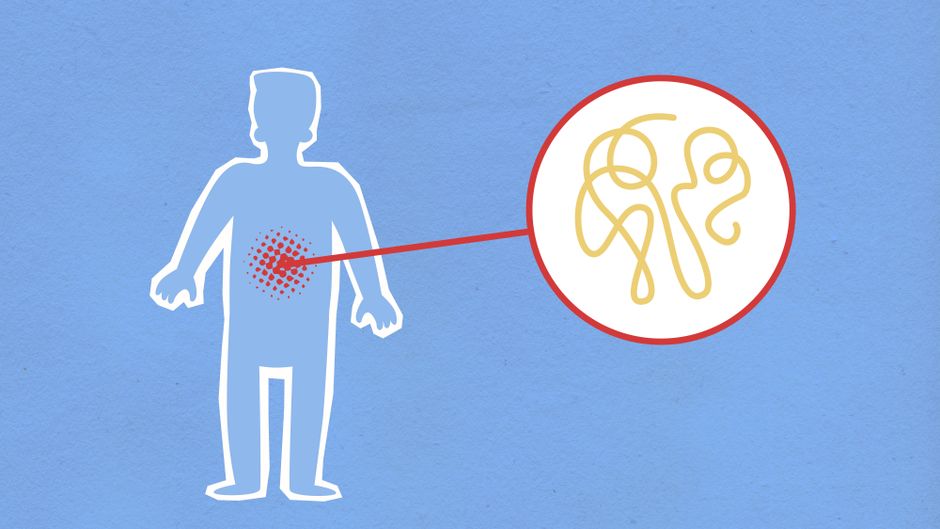
Stomach viruses are always circulating, and the most common one in the United States is norovirus. It causes sudden vomiting and diarrhea, and it spreads quickly through families, schools, cruise ships, and nursing homes. While other viruses like rotavirus and adenovirus can cause similar symptoms, norovirus is responsible for the majority of outbreaks you hear about each year.
What Stomach Virus Is Going Around Right Now?
Norovirus is the leading cause of viral gastroenteritis in the US. It accounts for roughly 1 in 5 cases of acute gastroenteritis worldwide and is the most frequent cause of foodborne illness outbreaks in the country.
Outbreaks tend to spike between November and April. This is why you often hear about “stomach bugs” during the winter months. The virus is highly contagious and requires only a tiny number of viral particles to infect a new person — fewer than 100 can make you sick.
How Does Norovirus Spread So Easily?
Norovirus spreads through the fecal-oral route. That means the virus from an infected person’s stool or vomit ends up in another person’s mouth. This happens more easily than most people realize.
Common transmission paths include:
- Direct contact with an infected person
- Eating food or drinking liquids contaminated with the virus
- Touching contaminated surfaces and then touching your mouth
- Breathing in airborne particles after someone vomits
The virus is tough. It survives on surfaces for days or even weeks. It also resists many common disinfectants and hand sanitizers. Alcohol-based hand sanitizers do not reliably kill norovirus. Washing hands with soap and water is the most effective way to remove the virus from your hands.
Symptoms: What Does Norovirus Feel Like?
Symptoms appear suddenly, usually 12 to 48 hours after exposure. Many people describe feeling fine one moment and violently ill the next.
The hallmark symptoms are:
- Sudden vomiting
- Watery diarrhea
- Nausea
- Stomach cramps
Some people also develop a low-grade fever, headache, or body aches. The illness is usually brief, lasting 1 to 3 days. Most people recover completely without medical treatment.
Dehydration is the main complication, especially in young children, older adults, and people with weakened immune systems. Signs of dehydration include dry mouth, decreased urination, dizziness, and extreme thirst. In infants, look for fewer wet diapers and unusual fussiness or lethargy.


How Long Are You Contagious?
You are most contagious while you have symptoms and for the first few days after you feel better. However, the virus can still be shed in your stool for up to two weeks after recovery.
This means you can unknowingly spread the virus even after you feel completely fine. Good hand hygiene should continue for at least two weeks after symptoms stop, especially if you prepare food for others.
People who work in food service, healthcare, or childcare should follow their workplace guidelines about when to return. Many facilities require you to be symptom-free for at least 48 hours before returning to work.
Treatment: What Actually Helps?
There is no antiviral medication for norovirus. Antibiotics do not work because the infection is viral, not bacterial. The illness resolves on its own.
The main goal of treatment is preventing dehydration. Clear fluids like water, broth, and oral rehydration solutions are the safest choices. Oral rehydration solutions such as Pedialyte contain the right balance of water, salt, and sugar that the body needs during vomiting and diarrhea.
Sipping small amounts frequently is better than drinking large volumes at once, which can trigger more vomiting. Start with a few teaspoons every few minutes and gradually increase as tolerated.
Avoid sugary drinks, sports drinks, and fruit juices. Their high sugar content can draw water into the intestines and worsen diarrhea. Caffeine and alcohol also dehydrate the body and should be avoided.
Once vomiting stops, bland foods like crackers, toast, rice, and bananas are gentle on the stomach. There is no evidence that the BRAT diet speeds recovery, but it is easy to tolerate while your digestive system settles.
Anti-diarrheal medications like loperamide (Imodium) are sometimes used in adults, but they are not recommended for everyone. If you have a high fever or bloody stools, do not take them. These symptoms can indicate a bacterial infection that needs different treatment. Check with a healthcare provider before using these products, especially in children.
When Should You See a Doctor?
Most cases of norovirus do not require medical care. But dehydration can become dangerous, and some situations warrant a call to your doctor.
Seek medical attention if you experience:
- Inability to keep any fluids down for more than 24 hours
- Blood in vomit or stool
- Severe abdominal pain
- High fever above 102°F
- Signs of dehydration that do not improve with fluid intake
For infants, young children, and older adults, dehydration can progress quickly. Do not wait to seek care if these groups show signs of dehydration. In some cases, intravenous fluids are needed to restore hydration.
How to Stop the Spread in Your Home
If someone in your household has norovirus, aggressive cleaning is essential. The virus survives on surfaces and resists many common cleaners.
Use a bleach-based disinfectant. A solution of 5 to 25 tablespoons of household bleach per gallon of water is effective against norovirus on hard, non-porous surfaces. Wear gloves while cleaning and wash your hands thoroughly afterward.
Wash laundry carefully. Handle soiled clothing and linens with gloves and wash them in hot water. Machine dry on the highest heat setting. Do not shake dirty laundry, as this can release virus particles into the air.
Clean bathrooms and high-touch surfaces frequently. Door handles, light switches, faucets, and toilet handles are common contamination points.
Anyone who is sick should stay home and avoid preparing food for others. Isolate the sick person in one bathroom if possible. Keep their dishes and utensils separate, although washing them in a dishwasher with hot water is sufficient to kill the virus.
Is It Norovirus or Something Else?
Several other infections cause similar symptoms. Rotavirus is common in infants and young children, though vaccination has reduced its impact significantly. Adenovirus and astrovirus also cause gastroenteritis, mainly in children.
Bacterial infections from Salmonella, E. coli, or Campylobacter can also cause vomiting and diarrhea. These are more likely to involve high fever, bloody stools, and longer duration of illness. If symptoms last more than 3 days or include bloody diarrhea, a bacterial infection is possible and should be evaluated.
Food poisoning is often confused with stomach virus. The difference is timing. Food poisoning symptoms appear within hours of eating contaminated food, while norovirus symptoms take 12 to 48 hours to develop. Both cause similar symptoms, and treatment is the same for most cases.
Can You Get Norovirus More Than Once?
Yes. There is no lasting immunity to norovirus. The virus has many different strains, and your immune system’s response to one strain does not protect you well against others.
Even if you have had norovirus recently, you can catch it again within the same season. This is one reason outbreaks persist in communities and closed settings like cruise ships.
Research is underway to develop a norovirus vaccine, but none is currently available. Until then, handwashing and careful sanitation remain the best protection.
Frequently Asked Questions
How long does a stomach virus last?
Most stomach viruses, especially norovirus, last 1 to 3 days. Symptoms usually resolve on their own without medical treatment.
When are you no longer contagious with a stomach virus?
You are most contagious while you have symptoms and for about 48 hours after they stop. You can still shed the virus in your stool for up to two weeks after recovery.
Does hand sanitizer kill norovirus?
No, alcohol-based hand sanitizers do not reliably kill norovirus. Washing hands with soap and water is the most effective way to remove the virus.
Can adults get rotavirus?
Yes, but it is much less common in adults than in children. Most adults have some immunity from childhood exposure, and infections in adults tend to be milder.
