
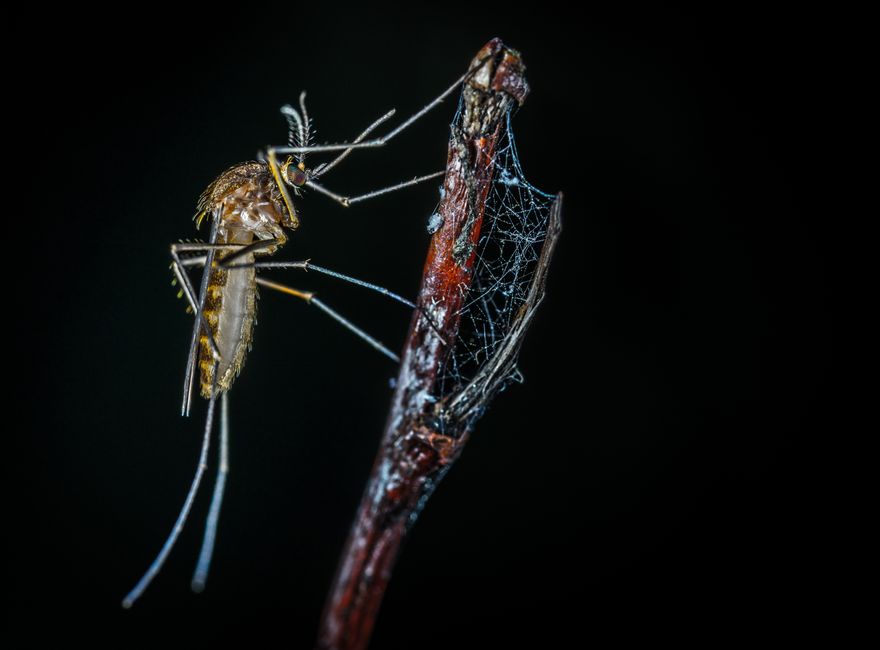
Mosquitoes are guided by smell, heat, and carbon dioxide. They are not attracted to everyone equally, and they are not repelled by every plant or gadget sold online. The most reliable answer is that mosquitoes hate DEET, picaridin, and other EPA-registered repellents, along with physical barriers like clothing and screens. They also dislike certain environmental conditions, such as moving air and dry, hot areas without standing water.
What Scents Do Mosquitoes Actually Dislike?
Mosquitoes detect odors through receptors on their antennae. Some natural compounds interfere with those receptors, making it harder for the mosquito to locate you. The most studied natural repellent is oil of lemon eucalyptus (OLE). The CDC recognizes it as an effective alternative to DEET when used at the correct concentration.
Other plant oils — including citronella, lavender, peppermint, and tea tree — show some repellent activity in laboratory studies. However, their effect fades quickly. Most commercial citronella candles do little beyond creating a small zone of smoke. Research consistently shows that natural oils evaporate faster than synthetic repellents, meaning they require far more frequent reapplication.
If you want a natural option that actually works, look for products with 30% oil of lemon eucalyptus. Products with lower concentrations, or those relying on diluted essential oils, offer limited protection for a short time.
Do Mosquitoes Hate Certain Colors or Clothing?
Mosquitoes use vision to find hosts, especially later in the day. Studies have found that they are more attracted to dark colors like black, navy, and red. Lighter colors reflect more heat and are less visually appealing to them.
Wearing long sleeves and pants remains the most effective clothing strategy. The fabric matters too. Mosquitoes can bite through thin cotton. Thicker materials, or clothing treated with permethrin, block bites more reliably. Permethrin-treated clothing is widely used by outdoor workers and is available as a spray for gear and apparel.
Color choice alone will not keep you bite-free. But combining light-colored, loose clothing with a repellent on exposed skin meaningfully reduces bites.
Why Do Mosquitoes Hate Moving Air?
Mosquitoes are weak fliers. A moderate breeze makes it physically difficult for them to land on you. This is why sitting near a fan is one of the simplest and most effective ways to avoid bites on a porch or patio.
A fan also disperses the carbon dioxide and body heat that initially attracts mosquitoes. When those signals are scattered, the mosquito has a harder time tracking you as a target. This is not a repellent in the chemical sense. It is a physical disruption of their hunting process.
For outdoor dining or evening gatherings, placing a box fan at ground level near seating areas can reduce mosquito approaches significantly.




What Smells Do Mosquitoes Hate on Your Skin?
The compounds that reliably deter mosquitoes on skin are synthetic. DEET remains the most thoroughly tested repellent in existence. It has been used for decades and works by blocking the mosquito’s ability to sense you.
Picaridin is a newer alternative that is nearly as effective as DEET. It has less odor and does not damage plastics or synthetic gear the way DEET can. Both are recommended by the CDC and the EPA.
IR3535 is another option found in some brands. It is effective but requires more frequent reapplication than DEET or picaridin. Oil of lemon eucalyptus is the only plant-based repellent that the CDC lists alongside these synthetic options.
Application matters as much as the product. Repellents only protect the skin they cover. Missed spots — ankles, wrists, the back of the neck — are the most common bite locations.
Do Mosquitoes Hate Certain Blood Types?
Some research suggests blood type influences mosquito preference. One small study found that mosquitoes landed on people with Type O blood nearly twice as often as those with Type A. The evidence is limited and has not been replicated on a large scale.
Other factors appear to matter more. You exhale more carbon dioxide when you are larger or physically active. You produce more lactic acid, uric acid, and ammonia in your sweat. These compounds attract mosquitoes. Pregnant women are bitten more often, likely because they exhale more carbon dioxide and run slightly warmer.
Body heat is a major signal. Mosquitoes locate warm-blooded hosts by detecting temperature differences. If you have just exercised and your skin is warm, you become an easier target.
What Mosquitoes Hate in Your Yard
Mosquitoes need standing water to reproduce. A female lays eggs in water, and the larvae develop there. Removing standing water is the single most effective yard strategy.
Check common sources: clogged gutters, flower pot saucers, bird baths, pet bowls, tarps, and children’s toys left outside. Even a bottle cap full of water can support mosquito larvae.
Some people plant citronella grass or marigolds hoping to repel mosquitoes. These plants contain compounds that repel mosquitoes when extracted and concentrated. The living plant itself releases very little of those compounds into the air. Planting them does not create a meaningful mosquito-free zone.
Professional yard treatments can reduce mosquito populations temporarily. These sprays target resting areas like shrubs and under decks. They do not eliminate mosquitoes entirely and require repeated applications.
Do Ultrasonic Devices and Bug Zappers Work?
No clinical evidence confirms that ultrasonic mosquito repellents work. These devices emit high-frequency sounds claimed to drive mosquitoes away. Controlled studies have found no significant effect on mosquito behavior.
Bug zappers are similarly ineffective for mosquito control. They attract and kill large numbers of beneficial insects, including moths and beetles. Studies have found that mosquitoes make up a very small percentage of the insects killed by zappers.
Mosquito traps that use carbon dioxide and heat to lure mosquitoes can reduce local populations when placed correctly. They work best at the perimeter of a yard, away from seating areas. If placed too close to people, they can draw mosquitoes toward you.
What Mosquitoes Hate Most: The Science-Backed Summary
Mosquitoes hate EPA-registered repellents applied correctly. They hate moving air. They hate light-colored, loose clothing. They hate dry environments without standing water.
They do not hate most of the viral remedies shared on social media. Vitamin B supplements have not been shown to repel mosquitoes. Eating garlic does not change your skin chemistry enough to deter them. No study has confirmed that ultrasonic apps or bracelets soaked in essential oils provide meaningful protection.
If you are heading into mosquito territory, use a proven repellent on exposed skin and wear protective clothing. That combination is the difference between a comfortable evening and one spent scratching.
Frequently Asked Questions
What smell do mosquitoes hate the most?
Oil of lemon eucalyptus is the most effective natural scent repellent. DEET and picaridin are the most effective synthetic options overall.
Does vitamin B12 keep mosquitoes away?
No research confirms that vitamin B12 or any B vitamin repels mosquitoes. This claim has circulated for years without clinical support.
Do mosquito repellent bracelets work?
Most repellent bracelets only protect the small area of skin they touch. Studies have found they offer little protection compared to spray repellents applied to exposed skin.
What color clothing keeps mosquitoes away?
Light colors like white and beige attract fewer mosquitoes than dark shades. Wearing light-colored long sleeves and pants reduces bites more effectively than color choice alone.
