
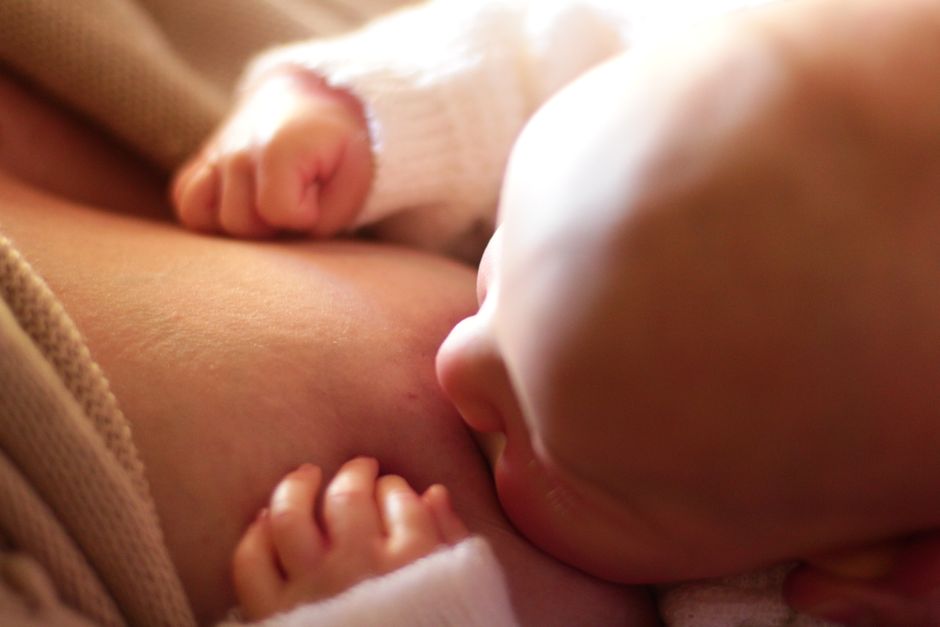
Breast size after breastfeeding is largely determined by genetics, body fat, and the structural tissue inside your breasts — not by anything you did or didn’t do during nursing. No exercise, cream, or food can reliably restore pre-pregnancy breast size. The honest answer is that some women return close to their previous size, many do not, and the changes are usually driven by factors outside your control.
That’s not a satisfying answer, but it’s the accurate one. What follows explains why breasts change during and after breastfeeding, what actually influences final size, and which popular fixes have evidence behind them versus which are mostly marketing.
Why Do Breasts Change Size After Breastfeeding?
Breast size is mostly fat and glandular tissue sitting on a framework of skin and connective tissue called Cooper’s ligaments. Pregnancy causes the glandular tissue to grow substantially, and the skin stretches to accommodate that growth. After weaning, the glandular tissue shrinks back — but the skin and ligaments don’t always snap back to their original shape.
That mismatch is the core of it. The fatty tissue that was displaced or reduced during lactation may not return to the same volume. The result is often a smaller, softer, or less full appearance, sometimes with a change in shape rather than a simple reduction in size.
It’s worth separating two things people often blend together: size and shape. A breast can return to roughly the same cup size but sit differently because the tissue has changed. Conversely, a breast can look smaller mainly because of lost upper-pole fullness rather than a true loss of volume.
Some of this is influenced by factors you can’t control — starting breast size, how much your breasts grew during pregnancy, your skin’s natural elasticity, and your genetics. Age matters too, since skin elasticity declines over time regardless of breastfeeding.
Does Breastfeeding Itself Cause Breasts to Shrink?
Breastfeeding is often blamed for breast changes, but the evidence suggests pregnancy is the bigger factor. Research has found that the number of pregnancies and pre-pregnancy breast size are more strongly linked to breast changes than whether a woman breastfed or for how long.
That’s a meaningful distinction. It means women who never breastfeed can still experience significant breast changes after pregnancy, and women who breastfeed for a long time don’t necessarily fare worse than those who don’t.
So if you’re looking for something to blame, the hormonal and physical changes of pregnancy itself are the more likely culprit. This doesn’t mean breastfeeding has no effect — it may — but it isn’t the sole or even the primary driver for most women.
Can You Actually Keep Your Breasts Big After Breastfeeding?
There is no proven method to reliably preserve or restore breast size after breastfeeding. This is the part most articles avoid saying plainly, so here it is: no supplement, cream, exercise, or dietary change has been shown in clinical studies to increase breast size after lactation.
What you can influence is your overall body composition, and that has a real but limited effect. Breasts contain fat, so gaining body fat can increase breast size somewhat — but it increases fat everywhere, and how much lands in your breasts is genetically determined. Losing body fat tends to reduce breast size for the same reason.
Here’s a non-obvious point worth understanding: breast tissue is not muscle. You cannot “build” your breasts through exercise. Chest exercises like push-ups or bench presses strengthen the pectoral muscles underneath the breasts, which can change how the chest looks and improve posture, but they do not add volume to the breast itself. A firmer underlying muscle can create a slightly lifted appearance, but it won’t make breasts bigger.
Any product claiming to regrow breast tissue after breastfeeding should be treated with skepticism. The tissue that shrank was glandular tissue responding to hormones, and no topical cream or oral supplement has been shown to bring it back.


Do Creams, Supplements, and Foods Increase Breast Size?
No cream or supplement has been shown in reliable clinical trials to increase breast size. This includes the many products marketed specifically to women after pregnancy and breastfeeding.
Some herbal products contain compounds that are weakly estrogenic, meaning they can mimic estrogen in the body to some degree. The theoretical idea is that estrogen promotes breast tissue growth. But theoretical plausibility is not the same as demonstrated benefit, and the actual amount absorbed from a cream or capsule is generally too small to produce a meaningful effect — if it produces any at all.
There are also safety considerations. Products marketed as natural breast enhancers are not tightly regulated in the US, so what’s on the label isn’t always what’s in the bottle. Some have been found to contain unlisted ingredients, including hormones or prescription drugs.
As for food, no specific food has been shown to increase breast size. Soy contains phytoestrogens, which has led to claims about breast growth, but research has not confirmed that eating soy changes breast size in women.
What Options Exist If You Want to Restore Breast Size?
If restoring breast size matters to you, the options with actual evidence behind them are medical or surgical, not lifestyle-based. This is a personal decision and one worth discussing with a qualified clinician.
The main approaches include:
- Breast augmentation — surgical placement of implants to increase size. This is the most direct way to add volume, and it’s a well-established procedure with known risks.
- Fat transfer — using your own fat, typically liposuctioned from elsewhere, to add volume to the breasts. Results tend to be more modest than implants, and some of the transferred fat is reabsorbed.
- Breast lift (mastopexy) — addresses shape and sagging rather than size. Often combined with augmentation.
Each of these carries real risks, including scarring, changes in nipple sensation, and the need for possible future procedures. Implants in particular may require replacement or removal over time. These are decisions to make with a board-certified plastic surgeon who can review your specific situation, not from a general article.
There is no non-surgical option with comparable evidence. That’s simply where the research stands.
Can Anything Prevent Breast Changes During Pregnancy?
There is no proven way to prevent pregnancy-related breast changes. Because the changes are driven largely by hormones and tissue remodeling, they happen regardless of what you do.
A few things are commonly discussed but not strongly supported by evidence:
- Supportive bras — some clinicians recommend well-fitted, supportive bras during pregnancy and breastfeeding to reduce discomfort and ligament strain. Whether this prevents long-term changes is not established.
- Gradual weaning — some suggest weaning slowly rather than abruptly to let tissue adjust. There’s no strong evidence this preserves size.
- Skin care and hydration — general skin health matters, but no cream has been shown to prevent breast changes from pregnancy.
Where the evidence is thin, it’s fair to say so. These practices may help with comfort, but they are not proven to preserve breast size or shape.
The Bottom Line on Breast Size After Breastfeeding
For most women, breast size after breastfeeding settles into a new normal that’s influenced mainly by genetics, body fat, pregnancy, and age — not by anything done during nursing. Some women return close to their previous size. Many don’t. Neither outcome reflects anything you did wrong.
If the change bothers you, the honest path forward is understanding that lifestyle fixes have limited effect and that surgical options are the only ones with real evidence. That’s not a sales pitch for surgery — it’s just where the data sits. For many women, the changes are modest and become less noticeable over time.
If you’re struggling with how your body has changed, that’s worth acknowledging rather than dismissing. A conversation with your OB-GYN or a breast specialist can help you understand your specific situation and what, if anything, you want to do about it.
Frequently Asked Questions
Do breasts go back to normal size after breastfeeding?
Some women return close to their pre-pregnancy size, but many do not. Final size depends mainly on genetics, body fat, and how much the breasts changed during pregnancy, not on breastfeeding itself.
Can exercise make your breasts bigger after breastfeeding?
No. Breast tissue is not muscle, so exercise cannot increase breast size. Chest exercises can strengthen the muscles underneath and slightly improve the appearance of the chest, but they do not add breast volume.
Do breast enhancement creams or supplements actually work?
No reliable clinical evidence shows that any cream or supplement increases breast size. These products are also not tightly regulated, so some have been found to contain unlisted ingredients.
What is the only proven way to increase breast size after breastfeeding?
Surgical options such as breast augmentation or fat transfer are the only approaches with evidence for adding breast volume. These carry real risks and should be discussed with a board-certified plastic surgeon.
