
Why Do Mosquito Bites Itch So Much?
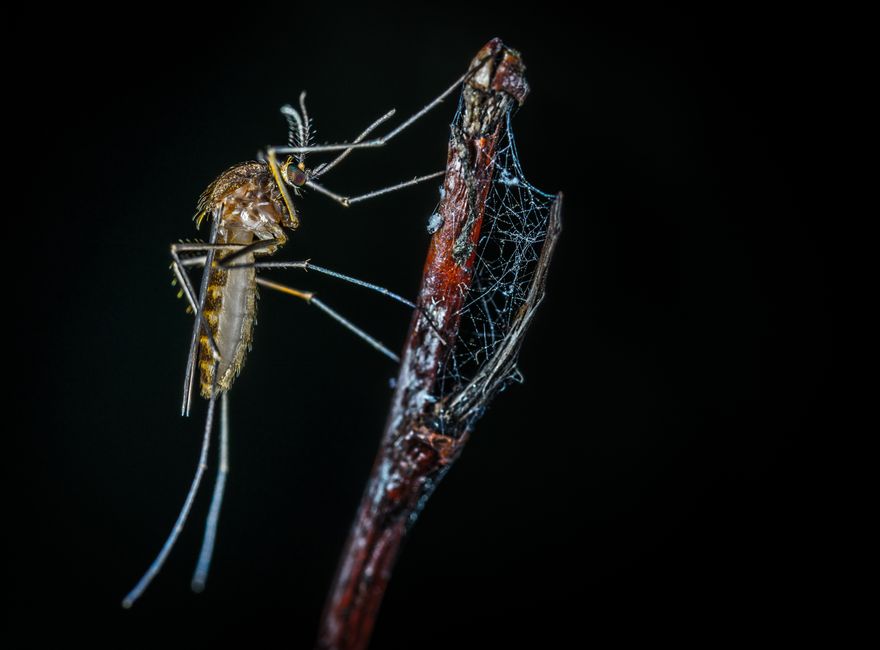
The itch comes from your own body. When a mosquito bites, it uses its proboscis — a long, thin mouthpart — to pierce your skin and find a blood vessel. Before it drinks, it releases saliva into the wound. This saliva contains anticoagulants to keep your blood flowing and proteins that act as a mild anesthetic so you do not feel the bite right away.
Your immune system recognizes these foreign proteins as invaders. It responds by releasing histamine, a chemical that causes blood vessels in the area to widen and leak fluid. This creates the raised, red welt. Histamine also irritates nearby nerve endings, which is what creates the sensation of itching.
The intensity of the itch varies from person to person. Some people have a mild reaction. Others develop large, swollen, and intensely itchy welts. The CDC reports that children often have stronger reactions than adults because their immune systems have not been exposed to mosquito saliva as many times. Over time, many people develop a tolerance and their reactions become less severe.
What Do Mosquito Bites Do to Your Skin and Body?
The immediate effect on your skin is localized inflammation. The bump, or papule, forms within minutes. For most people, this resolves within a day or two. Scratching can change the outcome significantly.
When you scratch, you damage the top layer of your skin. This can break the skin barrier and introduce bacteria from your fingernails into the bite wound. The result can be a secondary bacterial infection, most commonly from *Staphylococcus* or *Streptococcus* bacteria. Signs of infection include increasing redness, warmth, swelling, pus, and pain that gets worse instead of better.
In some people, the body’s reaction is more severe. This is called Skeeter syndrome. It is an allergic reaction to the proteins in mosquito saliva. Symptoms include a large area of swelling, redness, heat, and sometimes low-grade fever or hives. Skeeter syndrome is not dangerous in itself but it is uncomfortable and can be mistaken for a skin infection.
Research published in the *Journal of Allergy and Clinical Immunology* notes that Skeeter syndrome is more common in people with other allergies and in young children. If you develop a very large, warm, and swollen bite area, it is worth discussing with your doctor.
Can Mosquito Bites Transmit Diseases?
Yes. This is the most serious thing a mosquito bite can do. Mosquitoes are vectors, meaning they carry pathogens from one host to another. When a mosquito bites an infected person or animal, it picks up viruses or parasites. When it bites the next person, it injects those pathogens along with its saliva.
The diseases vary by region. In the United States, the most common mosquito-borne illnesses are West Nile virus, Eastern equine encephalitis (EEE), and La Crosse encephalitis. The CDC tracks cases of these diseases every year. West Nile virus is the most widespread, with cases reported in nearly every state.
Globally, the risks are higher. Malaria, dengue fever, Zika virus, chikungunya, and yellow fever are all transmitted by mosquitoes. The World Health Organization estimates that mosquito-borne diseases cause over 700,000 deaths each year worldwide.
It is important to keep this in perspective. The vast majority of mosquito bites in the United States do not lead to illness. Most mosquitoes are not carrying a disease. But the risk is real enough that public health agencies recommend taking steps to avoid bites, especially during peak mosquito season and in areas where disease outbreaks have occurred.



What Actually Works to Stop the Itch?
The evidence supports a few simple, effective treatments. The goal is to calm the histamine reaction and reduce inflammation.
First, wash the bite with soap and water. This removes any remaining saliva and reduces the risk of infection. Then apply a cold pack or ice wrapped in a cloth for 10 minutes. Cold reduces blood flow to the area, which lowers swelling and numbs the itch.
For more persistent itching, over-the-counter treatments work well. Here is a comparison of common options:
| Treatment | How It Works | Evidence Level |
|———–|————–|—————-|
| Hydrocortisone cream (1%) | Reduces inflammation | Strong. The American Academy of Dermatology recommends it for localized itching. |
| Calamine lotion | Mild cooling effect | Moderate. Some people report relief, though strong clinical trials are limited. |
| Oral antihistamines (cetirizine, loratadine) | Blocks histamine systemically | Strong. Effective for widespread or severe reactions. |
| Baking soda paste | No proven anti-itch mechanism | Weak. This is widely claimed though strong evidence is limited. |
| Heat pens or devices | Apply localized heat to denature proteins | Mixed. Some studies suggest temporary relief, but results vary. |
Oral antihistamines are particularly helpful if you have multiple bites. They work throughout your body and can reduce overall itching and swelling. Topical antihistamine creams are available but can sometimes cause skin sensitivity.
Avoid scratching at all costs. Trim your fingernails short if you are prone to scratching in your sleep. Cover the bite with a bandage if it helps. Scratching only makes the itch worse in the long run by triggering more histamine release and damaging the skin.
What Should You Avoid When Treating Mosquito Bites?
There are a few popular remedies that do not hold up to scrutiny. Avoid these approaches:
Rubbing alcohol or bleach. Some people apply alcohol to bites because it feels cool. But alcohol dries out the skin and can delay healing. Bleach is a skin irritant and should never be applied directly to a bite.
Raw garlic or onion. These are sometimes recommended as natural remedies. There is no clinical evidence that they reduce itching or swelling. They can cause contact dermatitis, which is a skin rash from irritation.
Heat from a hair dryer or hot spoon. High heat can burn your skin. The temporary relief is not worth the risk of a burn injury.
Homeopathic remedies. Products labeled as homeopathic for bug bites have not been proven effective in rigorous studies. The FDA does not evaluate them for safety or effectiveness.
The safest approach is to stick with treatments that have evidence behind them. If a home remedy sounds too simple to be true, it probably is.
How to Prevent Mosquito Bites in the First Place
Prevention is more effective than treatment. The CDC and the Environmental Protection Agency recommend the following strategies:
Use an EPA-registered insect repellent. The active ingredients with the strongest evidence are DEET, picaridin, IR3535, and oil of lemon eucalyptus (OLE). Products containing these ingredients are proven to reduce bites. DEET has been used for decades and is safe when used as directed.
Wear long sleeves and long pants when you are outdoors at dawn and dusk. Mosquitoes are most active during these times. Light-colored clothing is less attractive to mosquitoes than dark colors.
Eliminate standing water around your home. Mosquitoes breed in water. Empty flower pots, bird baths, gutters, and buckets. The CDC states that even a bottle cap of water can be enough for some mosquito species to lay eggs.
Use window screens and keep them in good repair. Sleep under a mosquito net if you are in an area with high disease risk.
Do not rely on ultrasonic devices, vitamin B patches, or wristbands that claim to repel mosquitoes. The Federal Trade Commission has warned companies about misleading claims for these products. Research published in the *Journal of Medical Entomology* found that many wearable repellent devices do not significantly reduce bite rates.
Frequently Asked Questions
Frequently Asked Questions
How long do mosquito bites last?
Most mosquito bites heal within 3 to 5 days. The itching usually peaks in the first 24 to 48 hours and then fades as your immune system clears the foreign proteins.
Can you get a disease from a mosquito bite in the US?
Yes, but the risk is low. West Nile virus is the most common mosquito-borne disease in the United States, with most infections causing no symptoms or only mild flu-like illness.
What is the best thing to put on a mosquito bite?
A cold pack and over-the-counter hydrocortisone cream are the most effective options. Oral antihistamines help if you have many bites or a strong reaction.
Why do mosquito bites swell up so much on some people?
This is called Skeeter syndrome, an allergic reaction to mosquito saliva. It is more common in children and people with other allergies and causes larger, warmer, and more swollen bumps.
