
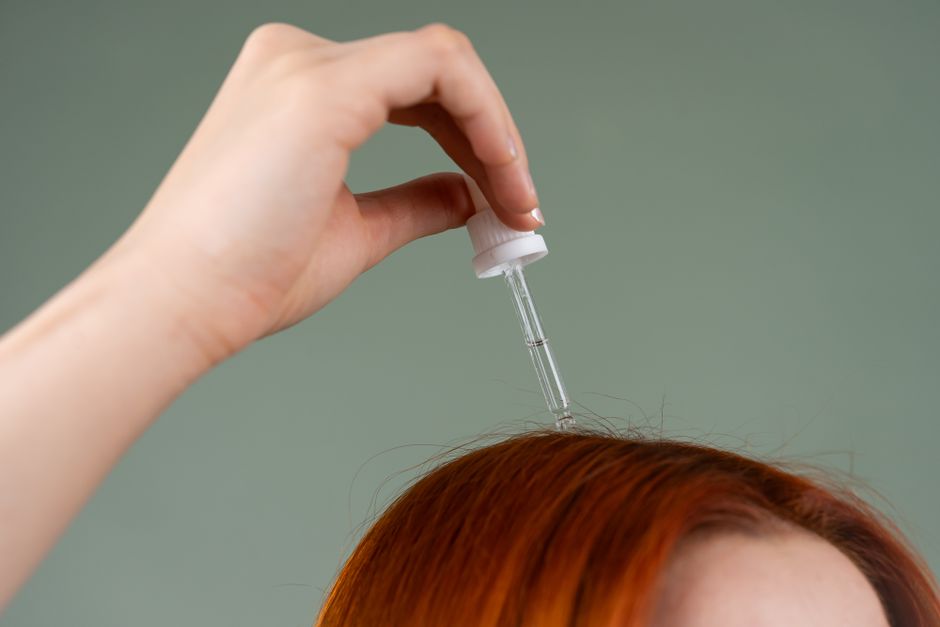
Lice are tiny parasitic insects that live on the human scalp and feed on blood multiple times a day. They do not fly, jump, or carry disease, but they cause intense itching and can spread quickly through head-to-head contact. Understanding exactly what lice do — from their feeding habits to their life cycle — is the first step to handling an infestation without panic or misinformation.
How Do Lice Survive on the Human Scalp?
Head lice are obligate parasites. This means they cannot survive without a human host for more than 24 to 48 hours. They depend entirely on the warmth of the scalp and regular blood meals to live.
A louse uses its six clawed legs to grip individual hair shafts near the scalp. It moves by crawling quickly — about 6 to 12 inches per minute — but it cannot hop or fly. The CDC confirms that lice do not have wings or strong jumping legs like fleas do.
Lice feed by piercing the scalp skin with their mouthparts and sucking small amounts of blood. They feed several times a day. The saliva they inject during feeding causes an allergic reaction in many people, which leads to the hallmark symptom: itching.
Without blood, a louse will starve within roughly two days. This is why lice rarely survive on combs, brushes, hats, or bedding for more than a short period. The idea that you need to bag stuffed animals for two weeks is not supported by evidence.
What Do Lice Do During Their Life Cycle?
Lice go through three distinct stages: egg (nit), nymph, and adult. The entire cycle from egg to egg-laying adult takes about three to four weeks.
Female adult lice lay eggs at the base of the hair shaft, right next to the scalp. They glue each egg firmly to the hair with a waterproof substance. This is why nits do not fall off easily and require combing or chemical treatment to remove.
Nymphs hatch from the eggs after 7 to 10 days. They look like smaller versions of adult lice and need blood to survive. Nymphs molt several times as they grow into adults over the next 9 to 12 days.
Adult lice are about the size of a sesame seed. They are tan to grayish-white in color. A female louse can lay up to 8 eggs per day once she reaches adulthood. The CDC reports that an untreated infestation can sustain itself indefinitely because the life cycle repeats continuously.
One important point: nits that are more than a quarter inch from the scalp are almost always empty shells or dead eggs. They do not need treatment. Only live lice or nits very close to the scalp require action.
What Does the Itching From Lice Actually Mean?
The itching is not caused by the bite itself. It is an allergic reaction to the louse’s saliva. The CDC notes that it may take 4 to 6 weeks after the first infestation for itching to develop. This delay is why many people do not realize they have lice right away.
Not everyone itches. Some people carry lice with no symptoms at all. Studies published in the Journal of the American Academy of Dermatology suggest that up to 20 percent of people with active lice never report itching. This makes visual inspection the only reliable detection method.
Scratching can lead to secondary bacterial infections. If the scalp becomes red, warm, or oozing, see a healthcare provider. This is rare but it happens.
Itching alone is not proof of lice. Many other scalp conditions — dandruff, eczema, dry skin, or allergic reactions to hair products — cause similar sensations. The only way to confirm lice is to find a live louse or a viable nit close to the scalp.




How Do Lice Spread From Person to Person?
Head-to-head contact is the primary route of transmission. Lice cannot jump or fly. They crawl from one head to another when hair touches hair. This is most common among children ages 3 to 11 who play closely together.
Less common routes include sharing hats, brushes, headphones, pillows, or upholstered furniture. The American Academy of Pediatrics states that the risk of transmission through objects is low because lice need the warmth and blood supply of the scalp.
Lice do not spread through pets. Human head lice are species-specific. They cannot feed on dogs, cats, or other animals. If your pet is scratching, it is not from human lice.
Personal hygiene has nothing to do with lice. Lice do not prefer dirty or clean hair. They simply need a warm scalp with blood. Studies show that lice infestations occur at similar rates across all socioeconomic groups and hygiene levels.
What Treatments Actually Work Against Lice?
Several treatment options exist, but not all of them work equally. The table below compares the most common approaches.
| Treatment Type | How It Works | Success Rate (per CDC) |
|---|---|---|
| Permethrin 1% (Nix) | Kills live lice but not eggs | 70-80% with two applications |
| Ivermectin lotion (Sklice) | Kills lice and some eggs | 70-85% with single application |
| Benzyl alcohol 5% (Ulesfia) | Suffocates lice | 60-75% with two applications |
| Wet combing (manual removal) | Physically removes lice and nits | Variable, depends on thoroughness |
| Essential oils (tea tree, lavender) | Some repellent effect | Limited evidence; not FDA-approved |
Permethrin is the most studied over-the-counter treatment. The CDC recommends a second application 7 to 9 days after the first to kill newly hatched nymphs. Resistance to permethrin has been reported in some regions, so if it does not work after two rounds, switch to a different active ingredient.
Prescription treatments like ivermectin or spinosad (Natroba) are options when over-the-counter products fail. Your pediatrician or dermatologist can advise based on local resistance patterns.
Wet combing with a fine-toothed nit comb can work, but it requires patience. You must comb through every section of hair every 3 to 4 days for at least two weeks. The British Medical Journal published a study showing that wet combing alone was as effective as chemical treatment when done correctly, but it is time-intensive.
What Common Misconceptions Should You Ignore?
Several myths about lice persist despite clear evidence against them. Here are the most important ones to ignore.
- Lice can jump or fly. They cannot. They only crawl. Transmission requires direct head contact or very close proximity.
- Lice carry disease. They do not. Unlike body lice, head lice are not known to transmit any pathogens. They are a nuisance, not a health threat.
- You need to fumigate your house. No. Lice die quickly off the scalp. Washing bedding and hats in hot water and drying on high heat is sufficient. Bagging stuffed animals for weeks is unnecessary.
- Home remedies like mayonnaise or olive oil kill lice. They may suffocate some lice but they do not reliably kill eggs. These methods have low success rates in clinical studies.
- Lice are a sign of poor hygiene. False. Lice infest clean and dirty hair equally. They are not attracted to dirt or repelled by cleanliness.
The most harmful misconception is that lice are dangerous. They cause itching and frustration, but they do not cause illness. The stress and stigma around lice are often worse than the infestation itself.
How Can You Prevent Lice From Spreading in Your Home?
Prevention focuses on reducing head-to-head contact. Teach children not to share hats, combs, brushes, headphones, or helmets. Avoid lying on beds or pillows that someone with lice has used until the items are washed.
Do not use preventive chemical treatments. The CDC and American Academy of Pediatrics both advise against using lice products on people who do not have an active infestation. These products can cause skin irritation and are not proven to prevent infestation.
If someone in your home has lice, check all household members weekly for three weeks. Use a fine-toothed nit comb on wet hair with conditioner. Look for live lice near the scalp, not just nits far down the hair shaft.
Wash bedding, towels, and clothing used by the affected person in hot water (130°F or higher) and dry on high heat. Items that cannot be washed can be sealed in a plastic bag for 48 hours. Lice will starve in that time.
Vacuum carpets and upholstered furniture where the person sat. This is a precaution, not a necessity. The risk of transmission from furniture is low.
Frequently Asked Questions
Can lice live on pillows or sheets?
Lice can survive on pillows and sheets for up to 48 hours if they have had a recent blood meal. Washing bedding in hot water and drying on high heat kills them.
Do lice prefer clean or dirty hair?
Lice do not prefer either. They need a warm scalp with blood and will infest any hair regardless of cleanliness.
How long can lice live off the human head?
Lice can live off the scalp for 24 to 48 hours. Nits cannot hatch off the scalp because they need body heat to develop.
Can you get lice from swimming pools?
Chlorinated water does not kill lice. However, transmission in pools is unlikely because lice hold tightly to hair and do not let go in water.
