
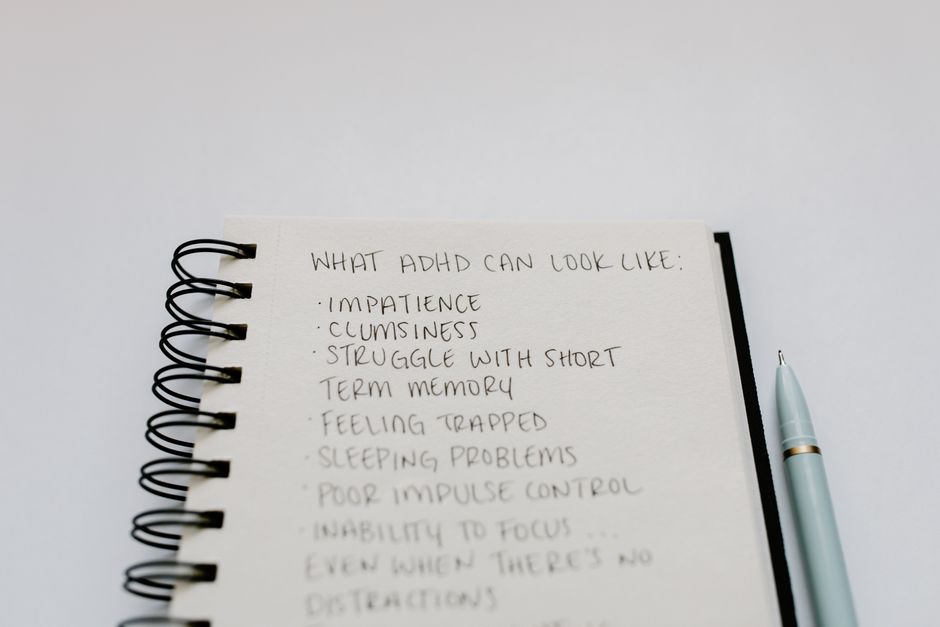
Impulsive behavior happens when you act quickly without thinking through the consequences. It is a normal human experience, but when it happens often, it can affect relationships, finances, and health. The causes range from brain chemistry and genetics to stress and certain medical conditions. Managing it starts with understanding why it happens and then using strategies that slow down the decision-making process.
What Is Impulsive Behavior, Exactly?
Impulsivity is acting on a whim without considering the outcome. It is not the same as spontaneity, which can be fun and planned in the moment. Impulsive actions are often reactive and can lead to regret.
Everyone acts impulsively sometimes. Buying something unnecessary, sending an angry text, or eating a whole bag of chips are common examples. The problem is when these actions happen regularly and cause real harm.
Impulsivity exists on a spectrum. On one end, it is a character trait. On the other end, it is a symptom of conditions like ADHD, bipolar disorder, or borderline personality disorder. Where you fall on that spectrum matters for treatment.
What Causes Impulsive Behavior And How To Manage It
The brain’s prefrontal cortex is the control center for impulse regulation. This area handles planning, reasoning, and self-control. When it is underactive or not fully developed, impulses are harder to resist.
The prefrontal cortex is not fully mature until the mid-20s. That is why teenagers and young adults often act more impulsively than older adults. The brain’s reward system, which is driven by dopamine, develops faster than the control system. This mismatch explains a lot of impulsive behavior in younger people.
Genetics also play a role. Studies of twins suggest that impulsivity is partly heritable. If a parent struggles with impulse control, their children are more likely to as well. This does not mean behavior is predetermined, but it does mean some people start with a harder job.
Managing impulsivity begins with identifying personal triggers. Common ones include stress, fatigue, hunger, and alcohol. When you know your triggers, you can plan around them. For example, if you tend to overspend when stressed, leave credit cards at home on hard days.
Slowing down is the core skill. Simple techniques like taking a deep breath, counting to ten, or physically stepping away from a situation give the prefrontal cortex time to catch up. These strategies work because they interrupt the automatic reward response.
Medical Conditions That Increase Impulsivity
Several diagnosed conditions list impulsivity as a core symptom. Attention deficit hyperactivity disorder, or ADHD, is the most well-known. People with ADHD often act before thinking because their brain struggles to pause and evaluate.
Bipolar disorder is another condition where impulsivity appears, especially during manic or hypomanic episodes. During these periods, a person may spend large sums of money, drive recklessly, or make sudden life changes.
Borderline personality disorder involves emotional dysregulation that often leads to impulsive acts like self-harm, substance use, or sudden relationship changes. Substance use disorders themselves both cause and worsen impulsivity.
Brain injuries and certain neurological conditions can also change impulse control. A stroke or head injury affecting the frontal lobe may cause a person to act differently than they did before. In these cases, impulsivity is a medical symptom, not a personality flaw.
If impulsive behavior is frequent, severe, or causing harm, a medical evaluation is appropriate. A doctor can assess whether an underlying condition is present. Treatment for the condition often reduces impulsivity as a result.





How Stress and Sleep Affect Impulse Control
Stress directly impairs the prefrontal cortex. When you are stressed, your brain shifts into survival mode. The emotional centers take over, and rational thinking takes a back seat.
This is why people make worse decisions when overwhelmed. The brain is literally less capable of weighing options under stress. Cortisol, the stress hormone, interferes with the neural circuits responsible for self-control.
Sleep deprivation has a similar effect. Research consistently shows that lack of sleep reduces activity in the prefrontal cortex while increasing activity in the amygdala, the brain’s fear and reward center. A tired brain is an impulsive brain.
Poor sleep also disrupts the balance of dopamine and serotonin, two chemicals involved in mood and decision-making. Even one night of poor sleep can make a difference in how impulsive you feel the next day.
Prioritizing sleep and managing stress are not soft advice. They are biological interventions that directly support the brain’s ability to control impulses.
Everyday Strategies to Reduce Impulsive Actions
Behavioral strategies can be highly effective, even for people with strong impulsive tendencies. The goal is not to eliminate spontaneity but to build a pause between urge and action.
- Name the urge. Say to yourself, “I am having the urge to do X.” Naming it creates distance between you and the impulse.
- Use the ten-minute rule. Wait ten minutes before acting. Most urges fade or weaken during this time.
- Remove temptations. If you impulse shop, unsubscribe from store emails. If you impulse eat, do not keep trigger foods at home.
- Practice mindfulness. Mindfulness training teaches you to observe thoughts without acting on them. It strengthens the same brain regions involved in impulse control.
- Write it down. Putting a thought on paper slows the process and gives your brain time to evaluate it.
These strategies work best when used consistently. One technique used once will not change a pattern. Using them together over weeks and months builds new habits.
Exercise also helps. Physical activity increases dopamine in a healthy way and improves mood regulation. Regular exercise has been shown to reduce impulsive behavior in both children and adults.
When Impulsivity Is a Sign of Something More Serious
Impulsive behavior becomes a concern when it leads to legal trouble, financial ruin, physical harm, or damaged relationships. If you or someone you know fits this pattern, professional help is warranted.
Therapy, particularly cognitive behavioral therapy, can help people identify the thoughts that lead to impulsive actions. CBT teaches skills for managing emotions without acting on them.
Medication may be part of the answer for some conditions. Stimulants are effective for ADHD. Mood stabilizers can help with bipolar disorder. These are prescription treatments that require a doctor’s oversight.
There is no shame in seeking help. Impulsivity is a brain function, not a moral failing. Treating it is no different from treating high blood pressure or diabetes.
If impulsive behavior includes thoughts of harming yourself or others, seek immediate help. Call 911 or go to the nearest emergency room. Crisis hotlines are also available 24 hours a day.
The Role of Diet and Substances
What you consume affects your impulse control. Alcohol is a well-known disinhibitor. It reduces activity in the prefrontal cortex, making it harder to resist urges. Many impulsive decisions happen while drinking.
Caffeine and nicotine are stimulants that can increase anxiety and agitation in some people. For those already prone to impulsive reactions, stimulants can make the problem worse. This varies by individual.
Blood sugar swings can also influence mood and decision-making. A rapid drop in glucose can trigger irritability and poor judgment. Eating regular, balanced meals helps keep blood sugar stable.
No food has been proven to cure impulsivity. Some research suggests that omega-3 fatty acids and certain vitamins may support brain health, but the evidence is not strong enough to make specific dietary recommendations for impulse control.
Frequently Asked Questions
Can impulsive behavior be a sign of ADHD?
Yes, impulsivity is one of the core symptoms of ADHD. It often appears alongside inattention and hyperactivity, but a doctor must make the diagnosis.
Is impulsive behavior a mental illness?
Impulsivity itself is not a mental illness, but it is a symptom of several conditions including ADHD, bipolar disorder, and borderline personality disorder.
Can adults learn to control impulsive behavior?
Yes. The brain remains capable of change throughout life. Therapy, mindfulness, and behavioral strategies can all reduce impulsive actions in adults.
What is the difference between impulsive and compulsive behavior?
Impulsive behavior is acting without thinking, often for pleasure or relief. Compulsive behavior is repetitive and driven by anxiety or a sense of pressure to perform the action.
