
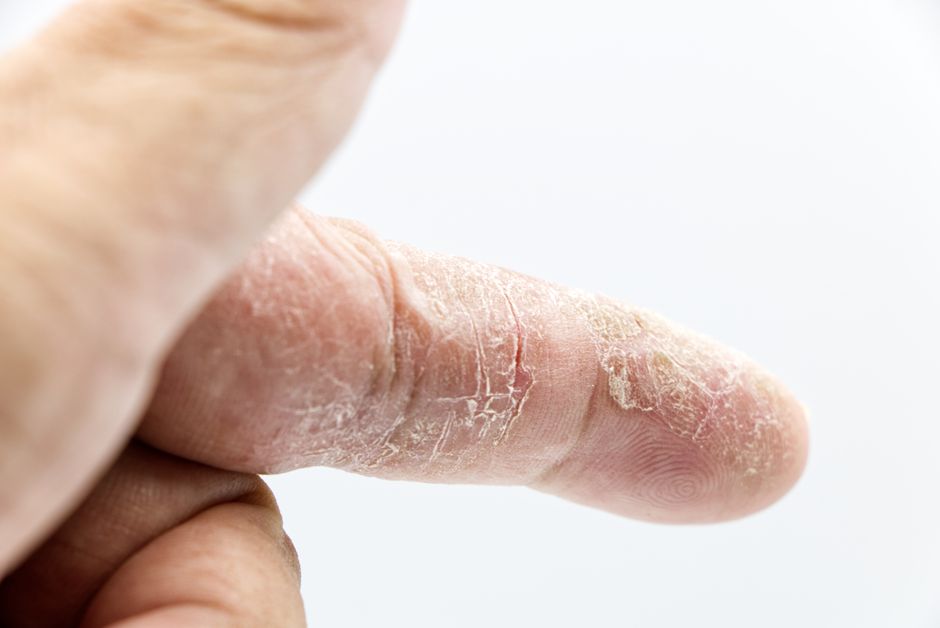
A deroofed blister is an open wound. The top layer of skin is gone, and the sensitive layer underneath is exposed. Your main jobs are to protect that raw skin, keep the wound clean, and let your body do the healing. Clean the area gently with mild soap and water, apply a thin layer of antibiotic ointment or plain petroleum jelly, and cover it with a sterile, non-stick dressing. Change the dressing daily, or more often if it gets wet or dirty. This routine prevents infection and gives the new skin the best chance to grow back without complications.
What Exactly Is A Deroofed Blister?
A blister forms when friction or heat damages the top layers of your skin. Fluid collects between the layers to cushion the area. When that top layer tears away completely, the blister is deroofed. You are left with a red, moist, and highly sensitive wound bed.
This exposed area is called the dermis. It contains nerve endings, which is why it hurts so much. It also contains the cells that will create new skin. Keeping this area moist and protected is critical. If it dries out, a hard scab forms, which slows down healing and increases the chance of scarring.
How To Heal A Deroofed Blister On Your Foot: First Steps
Your immediate action determines how smoothly the healing process goes. Do not panic if the blister has already torn. It happens. The most important thing is to prevent bacteria from entering the open wound.
Start by washing your hands thoroughly. Then, rinse the blister site with clean, lukewarm water. Use a mild, fragrance-free soap if you have it. Avoid using hydrogen peroxide or rubbing alcohol. These are too harsh and can damage the healthy tissue that needs to grow. Pat the area dry with a clean towel. Do not rub it.
After cleaning, apply a thin layer of plain petroleum jelly or a standard antibiotic ointment. This creates a moist environment that supports cell migration and healing. It also prevents the dressing from sticking to the raw wound.
Choosing The Right Blister Dressing
Not all bandages are suitable for an open blister. A standard adhesive bandage will likely stick to the moist wound and tear the new skin when you remove it. That sets your healing back significantly.
You need a sterile, non-stick dressing. Look for products labeled as non-adherent pads. These are designed to sit on the wound without sticking to it. You can secure them with medical tape or a light wrap bandage.
Hydrocolloid dressings are another excellent option. These are often sold as “blister plasters.” They are thicker and contain a gel that absorbs fluid and maintains a moist environment. They stick to the healthy skin around the wound, not the wound itself. A hydrocolloid dressing can often stay on for several days, which means less disturbance to the healing area.



Daily Care And Wound Cleaning
You need to clean and re-dress the wound at least once a day. If the dressing becomes wet, dirty, or if fluid is leaking through, change it sooner. Leaving a wet dressing on increases the risk of bacterial growth.
When you change the dressing, wash your hands first. Gently remove the old dressing. If it sticks, soak it in warm water for a few minutes to loosen it. Do not pull it off forcefully. Clean the wound again with mild soap and water or a sterile saline solution. Apply a fresh layer of petroleum jelly or ointment and cover it with a new non-stick dressing.
Watch the wound as it heals. You should see the area gradually become less raw and less painful. New pink skin will start to form from the edges inward. This is a sign that healing is progressing normally.
Signs Of Infection You Must Not Ignore
An open wound on your foot is vulnerable to infection. Your feet are exposed to dirt and bacteria daily. Recognizing the early signs of infection is essential.
Seek medical attention if you notice any of the following:
- Increasing pain that does not improve
- Redness spreading beyond the edge of the wound
- Warmth radiating from the area
- Swelling that gets worse
- Pus or yellow-green discharge
- Red streaks extending up your foot or leg
- A fever
These symptoms mean bacteria have entered the wound and your body is fighting an infection. Do not try to treat this at home. A doctor may need to prescribe oral antibiotics to clear the infection.
How Long Does It Take To Heal?
Healing time depends on the size of the blister and your overall health. A small deroofed blister on the foot typically takes 3 to 7 days to close over with new skin. Larger blisters can take up to two weeks.
Full strength in that new skin takes longer. The new skin will be thin and fragile for several weeks. It may look pink or slightly different in color for a while. This is normal. Protect the area during this time. Continue to wear a dressing if the blister is in a spot where footwear rubs against it.
People with diabetes or conditions that affect circulation need to be more cautious. Foot wounds heal more slowly for them. If you have diabetes and develop a blister on your foot, it is wise to have it checked by a healthcare professional early on. Do not wait for signs of infection to appear.
Should You Drain A Blister That Is Still Intact?
The best scenario is to keep an intact blister from breaking. The unbroken skin is a natural, sterile barrier. If the blister is small and not painful, leave it alone. Cover it with a dressing to protect it from friction.
If the blister is large, tense, or painful, you might consider draining it. This should be done carefully to reduce the risk of infection. Wash the area with soap and water. Swab the blister with rubbing alcohol. Use a sterile needle to puncture the edge of the blister. Let the fluid drain out, but leave the top skin in place. This skin acts as a natural bandage. Apply antibiotic ointment and cover with a dressing.
This is a common practice, but it carries some risk. Any break in the skin provides a route for bacteria. If you are unsure, or if you have a medical condition that impairs healing, have a clinician do this for you.
Preventing Blisters On Your Feet
Prevention is easier than treatment. Blisters are caused by friction and moisture. Address those two factors and you can avoid most foot blisters.
Wear shoes that fit properly. Shoes that are too tight create pressure points. Shoes that are too loose allow your foot to slide and rub. Break in new shoes gradually. Wear moisture-wicking socks instead of cotton. Cotton retains sweat and increases friction. If you know a specific spot on your foot is prone to rubbing, apply a friction-reducing balm or a protective moleskin pad before you start your activity.
What Not To Do With A Deroofed Blister
There are a few common mistakes that slow healing or cause complications. Avoid these actions.
Do not peel off any remaining loose skin. That skin, even if it looks ragged, provides some protection for the wound bed. Leave it in place and let it dry out naturally. Do not use harsh antiseptics like hydrogen peroxide or iodine on the open wound. They are cytotoxic, meaning they kill the cells you need for healing. Do not leave the wound uncovered. An open wound dries out, forms a crust, and heals much slower. Do not pop or drain the blister unless you have a clear reason and a sterile method.
Frequently Asked Questions
Should I soak a deroofed blister in salt water?
Soaking in warm salt water can help keep the wound clean, but it is not necessary if you are cleaning it daily with soap and water. Over-soaking can soften the surrounding skin too much and delay healing.
Can I walk on a foot with a deroofed blister?
You can walk, but you should minimize pressure and friction on the area. Wear a padded dressing and choose shoes that do not rub the wound. If walking causes significant pain, rest and keep weight off the foot.
When should I see a doctor for a blister on my foot?
See a doctor if you have diabetes, poor circulation, or a weakened immune system. Also seek care if you see signs of infection like spreading redness, pus, red streaks, or a fever.
Is it better to keep a deroofed blister moist or dry?
Keep it moist. A moist wound environment speeds up cell growth and reduces scab formation. Use petroleum jelly or a hydrocolloid dressing to maintain moisture.
