
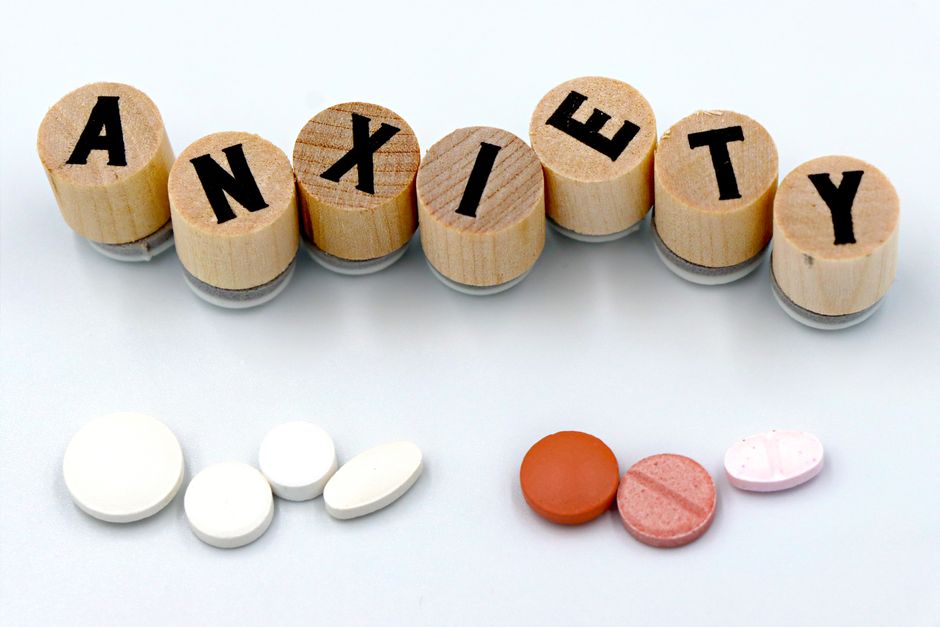
An anxiety attack feels overwhelming. Your heart races, your chest tightens, and you might feel like you are losing control. The first thing to know is that an anxiety attack is not dangerous, even though it feels that way. You can take steps to calm your body and mind, starting with slowing your breathing and grounding yourself in the present moment. These symptoms will pass, and having a plan can help you ride through them.
What Does an Anxiety Attack Feel Like?
An anxiety attack is a sudden surge of intense fear or discomfort. It peaks within minutes, usually around 10 minutes, and then gradually fades. The physical symptoms are real and can be alarming.
Common signs include a racing or pounding heart, shortness of breath, chest pain, sweating, trembling, and dizziness. You might feel a choking sensation, nausea, or numbness and tingling in your hands and feet. Many people describe a feeling of unreality, as if they are watching themselves from outside their body.
It is important to understand that these symptoms come from your body’s natural stress response. Your nervous system is flooding your body with adrenaline, preparing you to fight or flee a threat. The problem is that no actual threat exists. Recognizing this can help you avoid the added fear of thinking something is seriously wrong with your body.
If you experience chest pain, severe shortness of breath, or fainting, seek medical attention to rule out other conditions. These symptoms can also occur with heart problems, and it is always safer to get checked.
What Do I Do When I Have an Anxiety Attack?
When an anxiety attack hits, your first instinct may be to fight it or run from it. Both approaches tend to make things worse. Instead, try to ride it out.
Start with your breathing. Slow, deep breathing signals your nervous system to calm down. Try this pattern: breathe in through your nose for a count of four, hold for a count of four, and exhale slowly through your mouth for a count of six. Repeat this for several minutes.
Grounding techniques help pull your attention away from the fear and back to the present. One common method is the 5-4-3-2-1 technique. Name five things you can see, four things you can touch, three things you can hear, two things you can smell, and one thing you can taste.
Another approach is to remind yourself that this is temporary. Say to yourself, “This is an anxiety attack. It is uncomfortable but not dangerous. It will pass.” This simple statement can reduce the secondary fear that keeps the attack going.
Move your body if you can. Gentle movement, like walking slowly or stretching, can help burn off excess adrenaline. Avoid sudden or vigorous exercise during an attack, as it may intensify your heart rate.
How Long Does an Anxiety Attack Last?
An anxiety attack typically peaks within 10 minutes. Most attacks resolve within 20 to 30 minutes. Some people experience a lingering sense of unease or fatigue for hours afterward.
The length depends partly on what you do during the attack. If you focus on your racing heart and think you are having a medical emergency, the fear grows and the attack lasts longer. If you can shift your attention to your breathing and remind yourself that you are safe, the attack tends to resolve faster.
After the acute symptoms fade, you may feel drained. This is normal. Your body has just gone through a significant stress response. Give yourself time to recover, and do not push yourself to return to full activity immediately.
If you have attacks that last longer than 30 minutes or happen frequently, talk to a healthcare provider. There are effective treatments available, and you do not need to manage this alone.



Breathing Techniques That Actually Work
Breathing techniques are among the most effective tools for stopping an anxiety attack. The goal is to slow your exhale, which activates the calming branch of your nervous system.
One reliable method is diaphragmatic breathing. Place one hand on your chest and the other on your belly. Breathe in slowly through your nose, aiming to make your belly rise more than your chest. Exhale slowly through your mouth. The extended exhale is the key part.
Another option is box breathing. Breathe in for four counts, hold for four counts, exhale for four counts, and hold for four counts. Repeat this cycle for several minutes. The equal counts create a steady rhythm that can interrupt the chaotic breathing pattern of an anxiety attack.
You should not wait until an attack starts to practice these techniques. Practicing for a few minutes daily builds a skill you can rely on when anxiety spikes. The more you practice, the more automatic the response becomes.
What Causes an Anxiety Attack?
Anxiety attacks can happen without any clear trigger. This unpredictability is part of what makes them so frightening. However, certain factors increase the likelihood.
Stress is a major contributor. Periods of high stress at work, in relationships, or from financial pressures can build up until the nervous system reaches a breaking point. Sleep deprivation also lowers your threshold for anxiety.
Caffeine and other stimulants can trigger attacks in sensitive people. Caffeine activates the same fight-or-flight pathways that drive anxiety symptoms. If you experience anxiety attacks, reducing caffeine intake may help.
Underlying medical conditions can also produce symptoms that feel like anxiety. Thyroid disorders, heart arrhythmias, and low blood sugar can all cause racing heart, sweating, and dizziness. A healthcare provider can help determine whether your symptoms have a medical cause.
When Should You Get Professional Help?
Occasional anxiety attacks do not always require treatment. But if they interfere with your daily life, it is time to seek help. Signs that you need professional support include avoiding places or situations because you fear an attack, worrying constantly about having another attack, or experiencing attacks several times a week.
Cognitive behavioral therapy is the most well-studied treatment for anxiety disorders. It helps you identify and change the thought patterns that fuel anxiety. Many people see significant improvement within a few months.
Medication is another option. Selective serotonin reuptake inhibitors, commonly called SSRIs, are often prescribed for anxiety. They are not fast-acting, but they reduce the overall intensity of anxiety over time. Some doctors prescribe short-acting medications for immediate relief during an attack.
If you have thoughts of harming yourself, seek help immediately. Call or text 988 to reach the Suicide and Crisis Lifeline in the United States. This service is free, confidential, and available 24 hours a day.
Can You Prevent Anxiety Attacks?
You cannot always prevent an anxiety attack, but you can reduce how often they happen. Regular exercise is one of the most effective strategies. It burns off stress hormones and improves your mood over time. Aim for moderate activity most days of the week.
Sleep matters deeply. Poor sleep makes your nervous system more reactive. Prioritizing a consistent sleep schedule and getting seven to nine hours per night can significantly reduce your anxiety levels.
Limiting alcohol and caffeine helps some people. Alcohol can disrupt sleep and increase anxiety the next day. Caffeine directly stimulates the nervous system and can trigger attacks in vulnerable individuals.
Learning to notice early warning signs is also useful. Many people experience subtle changes before a full attack, such as muscle tension, irritability, or a racing mind. Catching these early signs gives you a chance to use calming techniques before the attack fully develops.
Frequently Asked Questions
Can an anxiety attack cause a heart attack?
An anxiety attack cannot directly cause a heart attack, but the symptoms can feel very similar. If you have chest pain, difficulty breathing, or pain spreading to your arm or jaw, seek emergency medical care to rule out a heart problem.
What is the fastest way to stop an anxiety attack?
Slow breathing with an extended exhale is the fastest way to calm your nervous system. Breathe in through your nose for four counts and out through your mouth for six counts, repeating until symptoms ease.
Should I take medication for an anxiety attack?
Some people benefit from fast-acting anti-anxiety medications, but they require a prescription and are not right for everyone. Talk to a healthcare provider about whether medication fits your situation.
Is an anxiety attack the same as a panic attack?
The terms are often used interchangeably, but panic attacks are a specific diagnosis in the DSM-5. Anxiety attacks are not a formal medical diagnosis, though the symptoms overlap significantly.
