
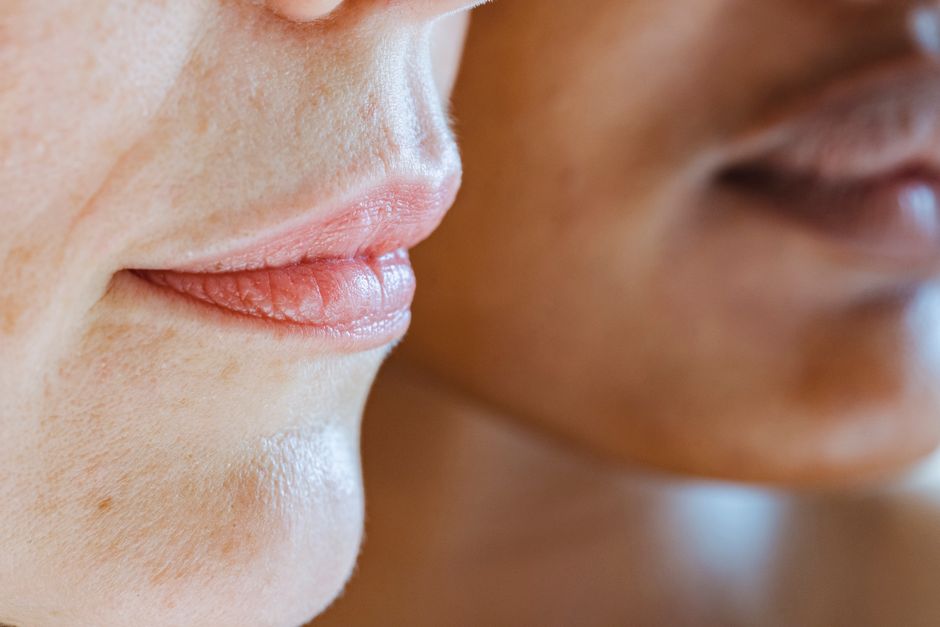
Dry lips are one of the most common complaints in any pharmacy or doctor’s office — and one of the most misunderstood. In most cases, dry lips mean the outer layer of skin on your lips has lost moisture faster than it can replace it, usually because of cold or dry air, lip licking, dehydration, or a reaction to a product. Sometimes, though, persistently dry or cracked lips are a sign of something deeper, including a nutritional deficiency, a skin condition, or a medical issue that needs attention. The treatment depends entirely on the cause, which is why the same lip balm works for one person and does nothing for another.
What Do Dry Lips Mean Signs Causes Treatment?
Lips are structurally different from the rest of your skin, and that difference explains why they dry out so easily. Unlike most skin, lips have no oil glands and no hair follicles. That means they cannot produce their own protective layer of sebum, the oily substance that seals moisture into skin elsewhere on your body.
The outer layer of lip skin is also thinner than facial skin and contains less melanin, the pigment that offers some protection from ultraviolet light. Blood vessels sit close to the surface, which is why lips look pink or red. All of this means lips lose water quickly and have very little built-in defense against cold, wind, sun, and saliva.
Saliva is a bigger factor than most people realize. When you lick your lips, the moisture feels soothing for a moment. As it evaporates, it pulls additional moisture from the lip surface with it. The enzymes in saliva that help digest food also break down the thin outer layer of lip skin. This is why chronic lip licking — often an unconscious habit — can create a cycle of dryness that gets worse the more you try to fix it.
The most common everyday causes
- Cold, dry, or windy weather, especially in winter
- Indoor heating or air conditioning that lowers humidity
- Frequent lip licking or biting
- Mild dehydration
- Irritation from lip products, toothpaste, or flavorings
- Mouth breathing, which dries the lips continuously
- Sun exposure without lip protection
When Are Dry Lips a Sign of Something More?
Occasional dryness that improves with basic care is rarely a medical concern. Dry lips that persist for weeks, crack at the corners, bleed, or come with other symptoms deserve a closer look.
Angular cheilitis is a common condition where the corners of the mouth become red, cracked, and sometimes painful. It can be caused by a mix of moisture, yeast, and bacteria collecting in that crease. It is more common in people who wear dentures, have deep skin folds at the mouth corners, or produce a lot of saliva. It often needs a different treatment than plain lip balm.
Cheilitis is the general medical term for inflamed lips. It can be triggered by irritants, allergens, sun exposure, or infections. If your lips are swollen, burning, or peeling rather than simply dry, that points more toward cheilitis than ordinary chapping.
Nutritional deficiencies can show up on the lips. Low levels of iron, vitamin B2 (riboflavin), vitamin B6, vitamin B12, folate, or zinc have been linked to cracked lips and cracks at the mouth corners. This does not mean every case of dry lips is a deficiency — far from it. But when dryness is persistent, severe, or accompanied by fatigue, pale skin, or a sore tongue, a doctor may check for these.
Underlying health conditions can also play a role. Thyroid problems, autoimmune conditions such as Sjögren’s syndrome, and some skin disorders like eczema or psoriasis can affect the lips. In these cases, lip dryness is one piece of a larger picture, not the whole story.
A note on one common assumption: dry lips are often blamed on not drinking enough water. Dehydration does contribute, but for most people who drink normally, the cause is more likely environmental or behavioral. Drinking more water helps, but it rarely fixes chronically dry lips on its own.
What Does It Mean If Your Lips Are Cracked at the Corners?
Cracks at the corners of the mouth are a distinct pattern that points toward angular cheilitis rather than simple dryness. The corners of the mouth stay moist from saliva, which creates an ideal environment for a type of yeast called Candida and for certain bacteria. The skin then splits and can become red, crusted, or sore.
Several factors raise the risk. Dentures that fit poorly can change the shape of the mouth and create deeper creases. Losing teeth or significant weight loss can do the same. People who lick their lips often or who have a habit of holding saliva at the corners may be more prone. In some cases, a nutritional deficiency — particularly of B vitamins or iron — is part of the picture.
Because the cause is often a mix of moisture, microbes, and sometimes a deficiency, treatment usually focuses on keeping the area dry and protected, and on addressing any underlying trigger. Plain lip balm is not always enough. A doctor or pharmacist can recommend an appropriate approach, which may include an antifungal or antibacterial product if an infection is present.





What Actually Helps Dry Lips?
The most effective approach is to stop moisture loss and give the lip barrier a chance to recover. That means protecting lips from the elements, avoiding the habits that make dryness worse, and using products that seal in moisture rather than ones that feel good briefly and then evaporate.
Ointments and balms based on petroleum jelly, mineral oil, or lanolin tend to work better than thin, watery, or heavily flavored products. These ingredients sit on the surface and block water loss. Products with added fragrance, flavoring, menthol, or camphor can irritate already-sensitive lips in some people, so simpler is often better.
Applying a thick layer before bed helps, because you are not licking or eating for several hours. Using a humidifier in dry indoor spaces can reduce how much moisture your lips lose overnight. A lip product with sun protection matters too, since ultraviolet exposure damages lip skin and worsens chapping over time.
The habit changes matter as much as the products. If you catch yourself licking or biting your lips, that is worth addressing directly. For some people, a bitter-tasting product applied to the lips can help break the habit. For others, simply being aware of the behavior is enough.
What tends to make dry lips worse
- Licking or biting your lips
- Peeling or picking at flakes, which can cause bleeding and infection
- Breathing through your mouth
- Alcohol-based or heavily fragranced lip products
- Toothpastes or mouthwashes that irritate the skin around the mouth
- Sun or wind exposure without protection
When Should You See a Doctor About Dry Lips?
Most dry lips improve with basic care within a week or two. If they do not, or if certain warning signs appear, it is worth getting checked.
See a doctor or dentist if your lips are cracked at the corners and not healing, if they bleed or develop sores, if there is swelling or pus, or if the dryness comes with other symptoms like fatigue, weight change, a sore tongue, or skin problems elsewhere. Persistent dryness that does not respond to any over-the-counter product is also a reason to have it looked at.
In rare cases, a non-healing sore or patch on the lip needs evaluation to rule out more serious conditions. This is uncommon, but it is the reason a lip sore that does not heal within a few weeks should not be ignored.
For most people, dry lips are a nuisance rather than a warning sign. But the pattern matters. Dryness that comes and goes with the weather is very different from dryness that stays for months, spreads, or comes with other changes. Paying attention to which one you have tells you a lot about what to do next.
Frequently Asked Questions
What deficiency causes dry cracked lips?
Low levels of iron, vitamin B2, vitamin B6, vitamin B12, folate, or zinc have been linked to cracked lips and cracks at the mouth corners. This is not the cause in most people, but it is worth checking if dryness is persistent or comes with fatigue or a sore tongue.
Why do my lips stay dry no matter what I use?
If lip balm is not helping, the cause is likely a habit like lip licking, ongoing exposure to dry air, or a condition such as angular cheilitis or cheilitis that needs different treatment. A persistent problem that does not respond to basic care is worth having evaluated.
Are dry lips a sign of dehydration?
Dehydration can contribute to dry lips, but it is rarely the main cause in people who drink normally. Environmental factors like cold air, indoor heating, and lip licking are more common triggers.
How long should dry lips take to heal?
Most cases improve within one to two weeks with consistent protection and by avoiding lip licking. Dryness that lasts longer, cracks at the corners, or lips that bleed should be checked by a doctor or dentist.
