
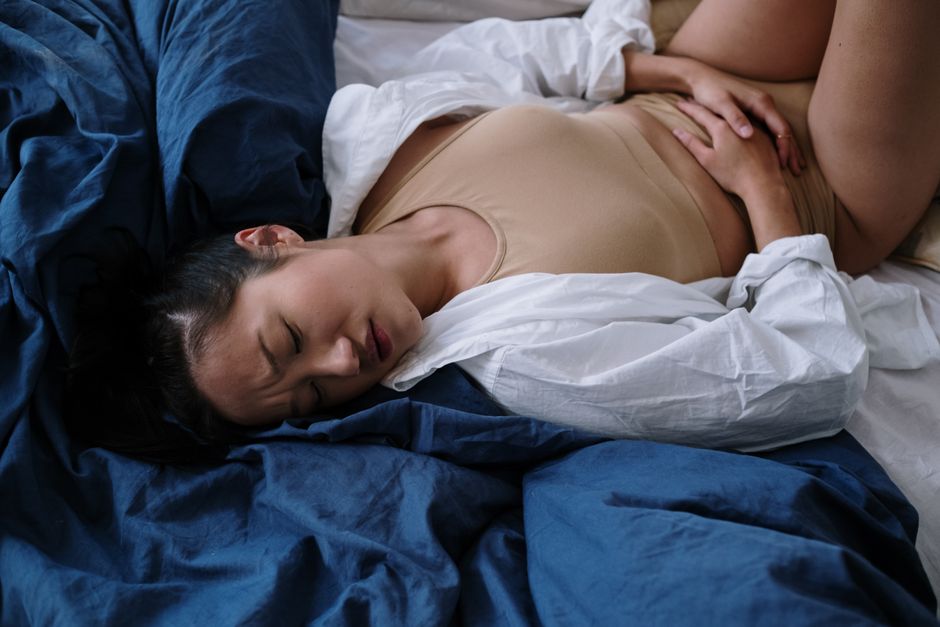
Cramps are involuntary muscle contractions that feel tight, pulling, or squeezing. In skeletal muscle, they usually hit suddenly during or after exercise and last seconds to a few minutes. Menstrual cramps feel different — a dull, aching pressure low in the belly that builds and fades in waves, often for one to three days each cycle. Both are real contractions. Where they happen and what triggers them explains why the two feel so different.
What Do Muscle Cramps Actually Feel Like?
A muscle cramp is a hard, sudden tightening you cannot relax on command. The muscle locks into a knot, and the area may visibly twitch or bulge. The pain is sharp at first, then settles into a deep soreness that can linger for hours after the contraction releases.
Most cramps last a few seconds to several minutes. They strike most often in the calf, thigh, foot, or hand. Night cramps in the legs are common in older adults. Exercise-associated cramps tend to hit during or right after intense activity, especially in heat.
The sensation has a distinct quality: the muscle feels shortened and rigid, as if it is pulling against itself. Trying to stretch it often increases the pain briefly before it eases. That is different from the cramping ache of menstrual pain, which comes in waves rather than locking into one spot.
How Menstrual Cramps Feel Different From Muscle Cramps
Menstrual cramps — called dysmenorrhea — sit low in the pelvis, not in a limb. The feeling is a cramping, gnawing ache that radiates into the lower back and sometimes down the thighs. It builds, peaks, and fades in cycles rather than holding steady.
The pain usually starts just before or with the first day of bleeding. For many people it is worst on day one and eases within two to three days. Along with the ache, you may feel pressure, heaviness, or a sense of the abdomen tightening.
Other symptoms often travel with it: nausea, headache, fatigue, diarrhea, or lower back pain. These come from the same chemical signals driving the contractions, not from a separate problem.
The key contrast is pattern. A skeletal muscle cramp is a single locked contraction. Menstrual cramps are repeated contractions of the uterus that rise and fall. One feels like a clenched fist. The other feels like a wave that rolls through and recedes.
Why Does the Uterus Cramp During a Period?
The uterus is a muscular organ, and menstrual cramps are that muscle contracting. Each month, the lining of the uterus thickens to prepare for a possible pregnancy. If no pregnancy occurs, the lining breaks down and sheds as menstrual blood.
To shed that lining, the uterus contracts. These contractions are driven by hormone-like compounds called prostaglandins. Higher prostaglandin levels mean stronger, more frequent contractions — and more pain.
Those same prostaglandins do more than squeeze the uterus. They can trigger nausea, diarrhea, and headache, which is why period pain often comes with a cluster of other symptoms. This is well established physiology, not a theory.
When the contractions are intense, they briefly reduce blood flow to the uterine muscle. That reduced flow is thought to contribute to the aching, ischemic quality of the pain — similar in some ways to the cramping ache of a muscle that is not getting enough oxygen.




What Causes Skeletal Muscle Cramps?
The exact cause of most muscle cramps is still debated. Several factors are known to contribute, but no single explanation covers every case.
Common triggers include:
- Muscle fatigue from intense or unfamiliar exercise
- Dehydration and loss of electrolytes through sweat
- Holding a muscle in a shortened position for a long time
- Certain medications, including some diuretics and statins
- Nerve compression or underlying nerve conditions
- Pregnancy, especially in the later months
- Medical conditions such as kidney disease, thyroid disorders, or diabetes
Electrolyte imbalance — particularly low levels of sodium, potassium, magnesium, or calcium — is often blamed. The evidence for this is stronger in some situations than others. In athletes who sweat heavily, replacing sodium and fluids does reduce cramp risk. In older adults with nighttime cramps, electrolyte explanations are weaker and the cause is often unclear.
This is an area where marketing often outruns evidence. Many products claim to stop cramps by correcting electrolytes. For some people in some situations that may help. For many others, no clear cause is ever found.
Do the Two Types of Cramps Have Different Treatments?
Yes, and the difference matters. What helps a calf cramp does not necessarily help period pain, and the reverse is also true.
For a skeletal muscle cramp, the first move is usually to stretch the muscle gently and hold it. Massage, heat, and moving around can also ease it. For people who get frequent cramps, addressing hydration and electrolyte intake may help, especially with heavy sweating. No single remedy works for everyone.
For menstrual cramps, the evidence is stronger for a few approaches:
- Nonsteroidal anti-inflammatory drugs (NSAIDs) such as ibuprofen reduce prostaglandin production and are considered first-line for period pain by most clinicians.
- Heat applied to the lower abdomen has been shown in studies to reduce cramp pain.
- Regular physical activity is associated with less menstrual pain in some studies.
- Hormonal birth control can reduce or eliminate menstrual cramps by thinning the uterine lining and lowering prostaglandin release.
NSAIDs work best when started at the first sign of bleeding or cramping, not after pain peaks. They are not appropriate for everyone — people with stomach ulcers, kidney problems, or certain other conditions should check with a clinician first.
This is where the two types diverge most. Menstrual cramps respond to blocking prostaglandins. Skeletal muscle cramps generally do not, because prostaglandins are not the main driver there.
When Should You Take Cramps Seriously?
Most cramps — both kinds — are uncomfortable but not dangerous. Some patterns warrant a medical evaluation.
See a clinician if you notice:
- Menstrual pain that does not improve with NSAIDs or heat
- Pain that starts before your period and gets worse over time
- Pain during sex, bowel movements, or urination
- Heavy bleeding along with severe cramps
- Muscle cramps that are frequent, severe, or come with weakness, numbness, or muscle wasting
- Cramps that persist despite hydration and stretching
Severe menstrual pain that interferes with daily life is common but not normal in the sense of being unavoidable. Conditions such as endometriosis, fibroids, and adenomyosis can cause intense period pain, and they are often underdiagnosed. If over-the-counter measures are not enough, that is a reason to seek care, not to push through.
For muscle cramps, persistent or worsening symptoms can point to nerve problems, medication side effects, or underlying disease. Cramps in the hands, feet, or around the mouth — especially with tingling — deserve prompt attention.
Can You Tell the Two Apart by Sensation Alone?
Usually, yes. Location and pattern give it away.
A muscle cramp is in a specific muscle you can point to. It locks, it hurts sharply, and it releases. You often feel a hard knot under the skin.
Menstrual cramps are in the lower belly and pelvis. They come in waves, tied to your cycle, and often bring nausea or back pain along. You cannot point to one tight muscle — the whole area aches and contracts.
There is overlap. Some people with pelvic floor tension or endometriosis describe pain that feels muscular. Some athletes get cramps in the abdominal wall. When the pattern is unclear or the pain is new and severe, a clinician can help sort out what is going on.
One useful distinction: muscle cramps respond to stretching the specific muscle. Menstrual cramps do not. If stretching a calf muscle reliably stops the pain, that points to a skeletal cramp. If the ache is low in the pelvis and follows your cycle, it points to menstrual pain.
Frequently Asked Questions
Do menstrual cramps feel like muscle cramps?
They share the quality of tightening, but menstrual cramps come in waves low in the pelvis while muscle cramps lock into a single spot. Most people can tell them apart by location and pattern.
Why do menstrual cramps hurt so much?
They are caused by prostaglandins, which make the uterus contract strongly to shed its lining. Higher prostaglandin levels generally mean stronger contractions and more pain.
What stops a muscle cramp fast?
Gently stretching the cramped muscle and holding the stretch is the most reliable first step. Massage and heat can help afterward.
When should I worry about cramps?
Seek care if menstrual pain does not respond to NSAIDs or heat, or if muscle cramps come with weakness, numbness, or happen often. These patterns can point to conditions that need evaluation.
