
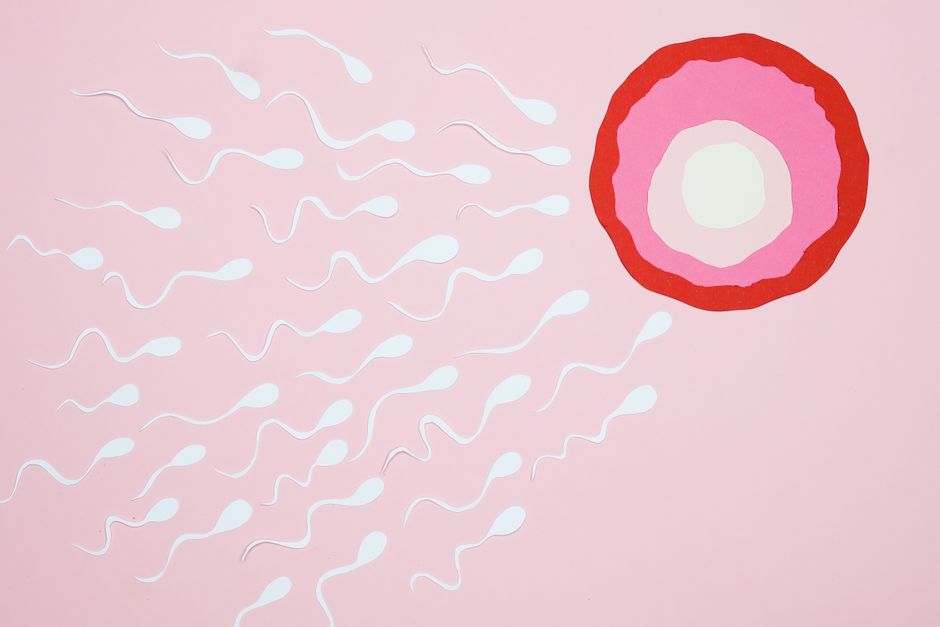
Ovulation typically takes place on day 14 of a 28-day menstrual cycle. That said, the exact day varies from person to person and even from cycle to cycle. The most reliable way to know your own timing is to count backward from your next expected period, since ovulation usually happens about 14 days before your next period starts.
How Is the Day of Ovulation Calculated?
Most people count from the first day of their period. That is day one. If you have a textbook 28-day cycle, ovulation lands on day 14. But few cycles are perfectly textbook.
Cycle length matters more than a fixed calendar date. A person with a 35-day cycle typically ovulates around day 21. A person with a 24-day cycle typically ovulates around day 10. The common thread is the luteal phase — the time between ovulation and your next period — which stays fairly consistent at about 14 days for most people.
So the practical formula is simple: take your usual cycle length and subtract 14. That gives you an estimated ovulation day. This works well for people with regular cycles and is far less accurate for those with irregular ones.
What Actually Happens During Ovulation?
Ovulation is the release of a mature egg from one of the ovaries. The egg travels into the fallopian tube, where it can be fertilized for about 12 to 24 hours. If sperm is present and fertilization occurs, the fertilized egg continues to the uterus. If not, the egg dissolves and the uterine lining sheds about two weeks later as your period.
The process is driven by hormones. A surge in luteinizing hormone (LH) triggers the release of the egg. This LH surge typically happens about 24 to 36 hours before ovulation itself. That is why ovulation predictor kits detect the LH surge — they give you a heads-up that ovulation is approaching.
Timing matters for conception because sperm can survive in the reproductive tract for up to five days. The fertile window spans about six days: the five days before ovulation plus the day of ovulation itself. Having intercourse during this window gives sperm time to wait for the egg.
What Day Does Ovulation Take Place for a 28-Day Cycle?
For a 28-day cycle, ovulation occurs on day 14 in the classic model. This assumes ovulation happens exactly 14 days before the next period. Many educational materials and fertility apps use this as a default.
But real cycles vary. Research shows that even among people with regular 28-day cycles, ovulation can occur anywhere from day 11 to day 17. A 2019 study in the journal Fertility and Sterility tracked over 600 women and found that fewer than 10 percent ovulated on day 14 consistently. The study also found that cycle length is a poor predictor of when ovulation happens for any individual.
The takeaway is that day 14 is a useful average, not a guarantee. If you are tracking for conception or contraception, relying on a fixed day will leave you guessing.




How Can You Confirm Your Own Ovulation Day?
Several methods can help you pinpoint your personal ovulation day. Each has different levels of accuracy and effort.
- Basal body temperature (BBT): Your resting temperature rises by about 0.5 to 1 degree Fahrenheit after ovulation due to progesterone. Tracking this daily can confirm ovulation happened, but it only tells you afterward.
- Ovulation predictor kits: These detect the LH surge in urine. A positive result means ovulation will likely occur within the next 24 to 36 hours.
- Cervical mucus changes: Around ovulation, mucus becomes clear, slippery, and stretchy — similar to raw egg whites. This signals peak fertility.
- Mittelschmerz: Some people feel a mild cramp or twinge on one side of the lower abdomen near ovulation. This is not reliable on its own but can be a helpful clue.
Combining two methods — such as an ovulation kit plus cervical mucus tracking — gives a clearer picture than any single method alone.
Does Ovulation Day Change With Age or Health Conditions?
Yes. Age affects cycle regularity and ovulation timing. Cycles may shorten in the late 30s and 40s, which means ovulation can occur earlier in the cycle. Perimenopause often brings irregular cycles where ovulation timing becomes unpredictable.
Certain health conditions also disrupt ovulation. Polycystic ovary syndrome (PCOS) can cause irregular or absent ovulation. Thyroid disorders can shift cycle length and timing. Stress, significant weight changes, and intense exercise can delay or suppress ovulation entirely.
Medications matter too. Some fertility drugs stimulate ovulation directly. Hormonal birth control prevents ovulation altogether. If you are taking any medication that affects hormones, your natural ovulation timing may not apply.
Can Ovulation Happen More Than Once in a Cycle?
The simple answer is no — a single menstrual cycle produces one ovulation event. But the reality is slightly more complex. The ovary can release more than one egg in the same cycle, which is how fraternal twins occur. These eggs release within about 24 hours of each other, not on separate days.
Some research has suggested that the ovaries may attempt multiple waves of egg maturation within one cycle. However, the established clinical position remains that only one ovulation occurs per cycle. The idea of ovulating twice at separate times in the same cycle is not supported by mainstream reproductive medicine.
What If You Have Irregular Cycles?
Irregular cycles make ovulation day much harder to predict. If your cycle length varies by more than a week from month to month, counting backward from an expected period date becomes unreliable.
In this situation, ovulation predictor kits and cervical mucus tracking become more valuable. They give real-time signals rather than relying on averages. If you are trying to conceive and have consistently irregular cycles, it is reasonable to discuss this with a healthcare provider. They can order blood tests or ultrasound monitoring to confirm whether and when ovulation occurs.
No clinical guidelines currently exist for predicting ovulation day in people with highly irregular cycles. The tools above provide estimates, not certainty.
Why Does the Day of Ovulation Matter?
For conception, timing is everything. The egg survives only 12 to 24 hours after release. Sperm can live up to five days. The fertile window therefore opens about five days before ovulation and closes about one day after. Intercourse during this window maximizes the chance of pregnancy.
For natural family planning, the stakes are different. The same fertile window matters for avoiding pregnancy. But this method requires careful tracking and has higher failure rates than other contraceptive methods. The effectiveness depends heavily on consistent, accurate tracking.
For general health awareness, knowing your ovulation day helps you understand your cycle. It can explain mid-cycle pain, mood changes, and why your period arrives when it does. It also gives you a baseline for noticing when something changes.
Frequently Asked Questions
Can ovulation happen on day 14 of a 30-day cycle?
No — in a typical 30-day cycle, ovulation happens around day 16. The rule is to subtract 14 days from your total cycle length to estimate ovulation day.
How many days after ovulation does your period start?
Your period typically starts about 14 days after ovulation. This luteal phase length is fairly consistent across most people, even when total cycle length varies.
Can you ovulate twice in one month?
You can release more than one egg in a single cycle, but this happens within about 24 hours — not on separate days. Only one ovulation event occurs per cycle.
Is day 14 ovulation the same for everyone?
No. Day 14 is an average for a 28-day cycle, but research shows most people do not ovulate on day 14 consistently. Your own timing depends on your cycle length and individual hormonal patterns.
