
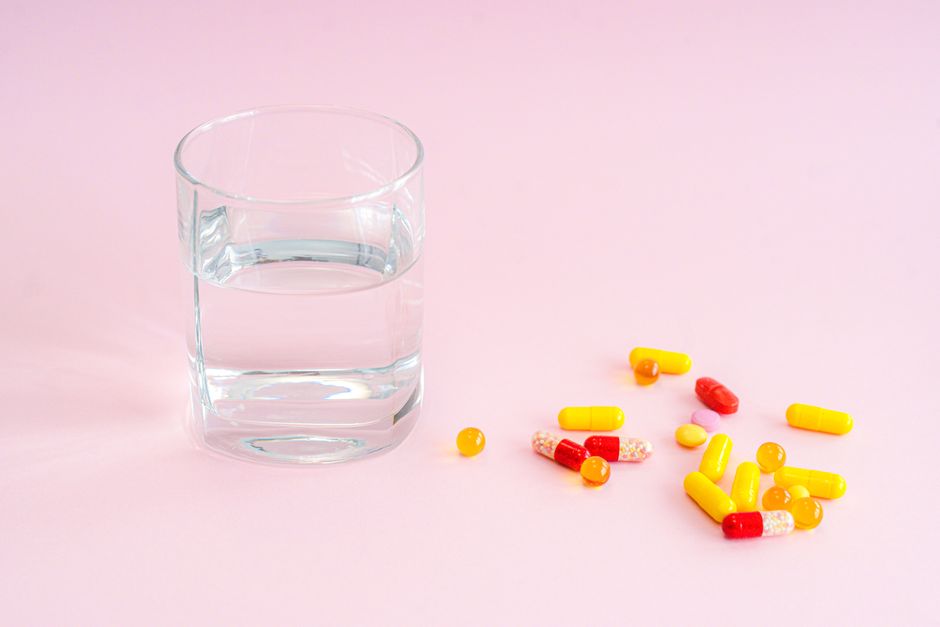
Staying hydrated is about more than just drinking glasses of water. Most people are surprised to learn that coffee, tea, milk, and even many solid foods all contribute to your daily fluid intake. The old advice to drink eight glasses of water a day ignores the fact that your body gets water from almost everything you consume. The real question is not whether these sources count, but how much they actually contribute to your hydration needs.
What Counts As Water Intake Coffee Food And More?
Plain water is the most direct source, but it is not the only one. Any beverage that is primarily liquid—coffee, tea, milk, juice, broth, and even soft drinks—counts toward your daily fluid intake. Solid foods also contribute a significant amount of water, with many fruits and vegetables containing 80 to 95 percent water by weight. For most healthy adults, about 20 percent of daily water intake comes from food, with the remaining 80 percent coming from beverages.
The Institute of Medicine set general guidelines that reflect this reality. For adult men, the recommended total water intake is about 3.7 liters per day. For adult women, it is about 2.7 liters per day. These totals include water from all beverages and foods, not just plain water. That means a person who drinks coffee, eats soup, and consumes fruits and vegetables is getting closer to their daily target than they might think.
Does Coffee And Tea Dehydrate You?
Coffee and tea do count toward hydration, and the idea that they dehydrate you is largely a myth. Caffeine is a mild diuretic, meaning it can increase urine production. However, the amount of water in the coffee or tea far outweighs any additional fluid lost through increased urination.
Research has consistently shown that moderate caffeine consumption does not lead to dehydration. Studies comparing caffeinated beverages to plain water found no significant differences in hydration status. The diuretic effect of caffeine is strongest in people who do not consume it regularly, and even then, the effect is temporary and mild. For regular coffee and tea drinkers, the body adapts, and the diuretic effect diminishes significantly.
One important distinction: this applies to caffeinated coffee and tea, not to alcohol. Alcoholic beverages, especially those with higher alcohol content, can have a more pronounced diuretic effect. A standard cup of coffee or tea is a hydrating beverage. A shot of liquor is not.
How Much Water Is In The Food You Eat?
Food contributes more water than most people realize. The water content of food varies widely, but many common foods are mostly water by weight. This water is absorbed during digestion and counts toward your total daily intake just like the water in a glass.
Fruits and vegetables are the most water-dense foods. Cucumbers and lettuce are over 95 percent water. Watermelon, strawberries, and tomatoes are over 90 percent water. Oranges, apples, and grapes range from 80 to 90 percent water. Even foods that seem dry contain water—bread is about 35 percent water, and cooked pasta is about 60 percent water.
Broth-based soups are particularly hydrating because they combine high water content with electrolytes. Yogurt, cottage cheese, and other dairy products also contain substantial water. A serving of yogurt is roughly 80 percent water, making it a hydrating snack that also provides protein and calcium.
The practical takeaway is that a diet rich in fruits and vegetables naturally supports hydration. A person eating five servings of fruits and vegetables per day is getting roughly 500 to 700 milliliters of water from food alone, depending on the specific choices.


What About Milk, Juice, And Sports Drinks?
Milk counts as a hydrating beverage and has some advantages over plain water. Milk contains sodium, potassium, and other electrolytes that help the body retain fluid. Research has suggested that milk may be more hydrating than plain water after exercise because of its electrolyte and protein content, though the differences are modest for everyday hydration.
Juice also counts toward fluid intake, but it comes with a caveat. Fruit juice is high in natural sugars and calories. Drinking large amounts of juice to meet hydration needs can contribute to excess calorie intake and blood sugar spikes. Whole fruit is generally a better choice than juice because it provides water, fiber, and fewer concentrated sugars.
Sports drinks contain water, electrolytes, and sugar. For most people doing everyday activities, they are unnecessary. Plain water is sufficient for normal daily hydration. Sports drinks are designed for prolonged, intense exercise lasting over an hour, where both fluid and carbohydrate replacement are needed. For a typical day of work, errands, and light exercise, they add calories without adding meaningful benefit.
Sugar-sweetened beverages like soda and sweetened iced tea also provide water, but they are not good hydration choices. The water in them counts toward your total, but the added sugar makes them less healthy overall. They should not be a primary source of hydration.
How Much Water Do You Actually Need?
There is no single number that works for everyone. The 3.7 liters for men and 2.7 liters for women are general reference points, not strict prescriptions. Individual needs vary based on body size, activity level, climate, and health status.
Thirst is a reliable indicator for most healthy people. The body signals when it needs fluid, and responding to thirst is generally sufficient for daily hydration. Urine color is another practical guide—pale yellow urine typically indicates adequate hydration, while dark yellow or amber urine suggests you need more fluids.
Certain situations increase fluid needs beyond what thirst alone might indicate. Physical activity that causes sweating requires additional fluids. Hot and humid weather increases fluid loss. Fever, vomiting, and diarrhea can cause significant fluid loss and require active rehydration. Older adults may have a diminished sense of thirst and may need to drink on a schedule rather than relying on thirst cues.
People with certain medical conditions—such as kidney disease, heart failure, or liver disease—may need to limit fluid intake. In these cases, following the advice of a healthcare provider is essential, as general hydration guidelines may not apply.
Signs You Are Not Drinking Enough
Dehydration develops gradually, and the early signs are easy to miss. Mild dehydration can cause headache, fatigue, dry mouth, and reduced concentration. Even a fluid loss of 1 to 2 percent of body weight can affect mood and cognitive function, though most people do not notice these subtle changes.
Dark urine is one of the most reliable early indicators. Other signs include infrequent urination, dry skin, and constipation. As dehydration progresses, symptoms become more noticeable and can include dizziness, confusion, rapid heartbeat, and sunken eyes.
Severe dehydration is a medical emergency and requires prompt treatment. Signs of severe dehydration include extreme thirst, very dry mouth, no urination for eight hours or more, weak pulse, and confusion. In infants and young children, additional signs include no tears when crying, no wet diapers for three hours, and unusual drowsiness. Severe dehydration requires immediate medical attention.
For most healthy adults, occasional mild dehydration is easily corrected by drinking fluids. The body is resilient, and hydration status can typically be restored within hours of adequate fluid intake.
Practical Tips For Staying Hydrated
Carrying a reusable water bottle makes drinking water more convenient and serves as a visual reminder. Keeping water on your desk or in your car increases the likelihood that you will drink throughout the day.
Eating water-rich foods is an easy way to boost hydration while getting nutrients. Adding fruits and vegetables to meals and snacks contributes meaningful water intake. Cucumber slices in salads, watermelon as a snack, and broth-based soups with meals all help.
Setting a routine can help people who forget to drink. Having a glass of water with each meal, drinking water when you take medications, and drinking before and after exercise are simple habits that add up. For people who do not like plain water, adding lemon, lime, or cucumber slices can improve the taste without adding sugar.
If you are active or spending time in hot weather, drink before you feel thirsty. Thirst lags behind actual fluid needs during exercise. Drinking small amounts regularly is more effective than drinking a large volume all at once.
Frequently Asked Questions
Does coffee count toward your daily water intake?
Yes, coffee counts toward your daily water intake. The water in coffee hydrates you, and moderate caffeine intake does not cause dehydration.
How much of your water intake comes from food?
About 20 percent of daily water intake comes from food for most people. Fruits and vegetables contribute the most water, with many varieties being over 90 percent water by weight.
Is drinking juice as good as drinking water for hydration?
Juice hydrates, but it is not as good as water because of its high sugar content. Whole fruit is a better choice than juice since it provides water and fiber without concentrated sugar.
Do sports drinks hydrate better than water?
Sports drinks are not better than water for everyday hydration. They are only useful for prolonged intense exercise lasting over an hour where electrolytes and carbohydrates need replacing.
