

Bloating happens when your belly feels tight, full, and often swollen after eating. It is not the same as belly fat — it comes and goes, sometimes within hours. The main causes are trapped gas, slow digestion, and certain foods that your body struggles to break down. Most people feel bloated from time to time, but understanding what triggers it can help you manage it without guessing.
What Exactly Happens in Your Body When You Bloat?
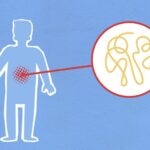
When you eat, your stomach and intestines work to break food down. Gas is a normal byproduct of this process. Most gas gets absorbed into your bloodstream or passed out. But sometimes gas builds up faster than your body can clear it. That buildup stretches the walls of your intestines. Your brain reads that stretch as pressure and fullness — that is bloating.
Another cause is slowed movement in your digestive tract. Your muscles push food through your intestines in waves called peristalsis. If those waves slow down, food sits longer. Bacteria in your gut have more time to ferment it. That fermentation produces more gas. Research published in the American Journal of Gastroenterology found that people with slow gut transit report bloating more often than those with normal transit.
Water retention can also play a role. When you eat a high-salt meal, your body holds onto water. That extra fluid can make your belly feel distended. This is temporary and usually resolves within a day.
What Foods Most Often Trigger Bloating?
Certain foods are well-known for causing gas. Beans and lentils contain complex sugars called oligosaccharides. Your small intestine cannot digest these fully. They pass into your large intestine where bacteria break them down, producing gas. This is normal and not harmful, but it can be uncomfortable.
Vegetables like broccoli, cauliflower, cabbage, and Brussels sprouts contain raffinose, another hard-to-digest sugar. Onions and garlic contain fructans, which are fermentable fibers. Many people also react to wheat products, not because of gluten sensitivity, but because of fructans in wheat. A 2018 study in Nutrients found that fructans caused bloating in people with irritable bowel syndrome more than gluten did.
Dairy is a common trigger for people with lactose intolerance. Lactose is the sugar in milk. If your body does not produce enough lactase enzyme, undigested lactose ferments in your gut. Symptoms include bloating, gas, and cramping within 30 minutes to two hours after eating dairy.
Carbonated drinks add gas directly to your stomach. The bubbles are carbon dioxide. Some of that gas gets trapped and causes immediate bloating. Chewing gum and drinking through a straw also make you swallow extra air, which can have the same effect.
Sugar alcohols like sorbitol, xylitol, and mannitol are common in sugar-free gum and candies. Your body absorbs them poorly. They pull water into your intestine and feed gut bacteria, both of which cause bloating.
How Do Digestive Conditions Cause Bloating?
Irritable bowel syndrome, or IBS, is one of the most common reasons people report chronic bloating. The CDC estimates that 10 to 15 percent of adults in the United States have IBS. In people with IBS, the gut is more sensitive to normal amounts of gas. Even a small amount can feel like a lot. The intestines may also move food too slowly or too quickly, both of which affect gas buildup.
Small intestinal bacterial overgrowth, often called SIBO, is another condition linked to bloating. Normally, the small intestine has relatively few bacteria. In SIBO, bacteria from the large intestine move up and grow where they should not. They ferment food early in digestion, producing gas before nutrients are fully absorbed. A 2020 review in Clinical and Translational Gastroenterology found that bloating was the most common symptom in people diagnosed with SIBO.
Gastroparesis is a condition where the stomach empties food too slowly. This can be caused by nerve damage, often from diabetes. Food sits in the stomach for hours longer than normal. That leads to fullness, nausea, and bloating after small meals.
Constipation is a straightforward cause. When stool stays in your colon longer than usual, bacteria continue to ferment it. That produces more gas. The stool itself also takes up space, adding to the feeling of distension. The Rome Foundation reports that about 12 percent of adults worldwide have chronic constipation, and many also report bloating.




Does What You Eat Cause Bloating Differently Than How You Eat?
Yes, and this is often overlooked. How you eat matters as much as what you eat. Eating too fast makes you swallow air. That air gets trapped in your stomach and causes immediate bloating before digestion even starts. Large meals also stretch your stomach more than small ones. That stretch signals fullness, but for some people it feels like painful pressure.
Eating while stressed changes digestion. Your nervous system has two main modes: rest-and-digest and fight-or-flight. When you are stressed, your body prioritizes fight-or-flight. Digestion slows down. Blood flow to your gut decreases. Food moves through more slowly, giving bacteria more time to produce gas. A 2019 study in Psychosomatic Medicine found that people who reported higher daily stress also reported more bloating episodes.
Lying down right after eating makes it harder for gas to move upward and escape. Gravity helps keep gas moving through your intestines. Sitting upright or walking gently after a meal supports that process.
What Actually Helps Reduce Bloating?
Slow down how fast you eat. Chew food thoroughly. This breaks food into smaller pieces and mixes it with saliva, which contains enzymes that start digestion. Eating slowly also gives your brain time to register fullness before you overeat.
Some research supports the low-FODMAP diet for people with IBS. FODMAPs are fermentable carbohydrates that many people digest poorly. A low-FODMAP diet restricts foods like onions, garlic, wheat, beans, dairy, and certain fruits for a few weeks, then slowly adds them back. A 2017 study in Gastroenterology found that 50 to 80 percent of people with IBS reported less bloating on this diet. However, it is restrictive and should be done with guidance from a dietitian.
Peppermint oil capsules are one of the few supplements with decent evidence. A 2019 meta-analysis in BMC Complementary Medicine and Therapies found that peppermint oil reduced bloating and abdominal pain in people with IBS. It works by relaxing the muscles in your intestines, which helps gas move through.
Probiotics may help some people but not everyone. Different strains do different things. Bifidobacterium infantis and Lactobacillus plantarum have some evidence for reducing bloating in IBS. But probiotics are not regulated like drugs, and product quality varies widely.
Walking after meals can help. Gentle movement stimulates gut motility. A small 2019 study in the Journal of Gastrointestinal and Liver Diseases found that a 15-minute walk after a meal reduced bloating in people with IBS compared to sitting still.
| Trigger | How It Causes Bloating | How Long It Lasts |
|---|---|---|
| Beans and lentils | Undigested sugars ferment in the colon | 2-6 hours |
| Carbonated drinks | Carbon dioxide gas trapped in the stomach | 30-60 minutes |
| Dairy (if lactose intolerant) | Undigested lactose ferments in the gut | 2-4 hours |
| Eating too fast | Swallowed air accumulates in the stomach | 30 minutes to 1 hour |
| Constipation | Stool and bacteria produce gas over time | Varies — until bowel movement |
Common Misconceptions About Bloating
A common myth is that bloating always means you have a food allergy. Most bloating is not caused by allergies. It is caused by normal fermentation of foods that are hard to digest. True food allergies involve the immune system and can cause hives, swelling, or trouble breathing — not just gas. Bloating alone is rarely a sign of an allergy.
Another myth is that drinking more water will flush out bloating. Water helps with constipation but does not directly remove gas. If you are bloated because of gas, drinking water will not push that gas out faster. It can help if your bloating is from constipation, because water softens stool. But for gas-related bloating, water is neutral.
Many people also believe that gluten is the main cause of bloating. For most people, it is not. As mentioned earlier, fructans in wheat are more likely the culprit. A 2018 study in Gastroenterology showed that people who thought they were sensitive to gluten actually reacted more to fructans. Gluten is a protein. Fructans are a carbohydrate. They are not the same thing.
Detox teas and juice cleanses are widely claimed to reduce bloating, but strong evidence is limited. Most of these products act as mild laxatives. They cause water loss, which temporarily makes your belly look flatter. That is not removing gas or improving digestion. It is just dehydration. The effect wears off within a day.
When Should You See a Doctor About Bloating?
Occasional bloating after a large meal is normal. But some signs point to a need for medical evaluation. If bloating happens regularly for more than a few weeks, that is worth discussing with a doctor. If it is accompanied by unintended weight loss, blood in your stool, or persistent diarrhea, those are red flags.
Bloating that gets worse over time, or that comes with severe pain, also warrants attention. In rare cases, bloating can be a symptom of ovarian cancer, especially in women over 50. The American Cancer Society notes that persistent bloating, along with pelvic pain and feeling full quickly, should not be ignored.
If you have been diagnosed with IBS and bloating is your main symptom, a gastroenterologist can help you identify specific triggers. They may recommend a breath test for lactose intolerance or SIBO. These tests are not perfect, but they can guide dietary changes more precisely than guessing.
For most people, bloating is a manageable inconvenience. It is not dangerous. But if it interferes with your daily life or causes anxiety about eating, that is reason enough to seek help. You do not need to suffer through it just because it is common.
Frequently Asked Questions
Does drinking water help with bloating?
Water helps if your bloating is from constipation, because it softens stool and makes it easier to pass. It does not directly remove gas from your intestines.
Can stress cause bloating?
Yes, stress slows down digestion by shifting your body into fight-or-flight mode, which allows food to ferment longer and produce more gas.
Is bloating a sign of a food allergy?
Bloating alone is rarely a sign of a food allergy. Allergies cause immune reactions like hives or swelling, not just gas and fullness.
How long does bloating usually last?
Most bloating from a single meal lasts between 30 minutes and 6 hours, depending on the trigger and your digestion speed.
