
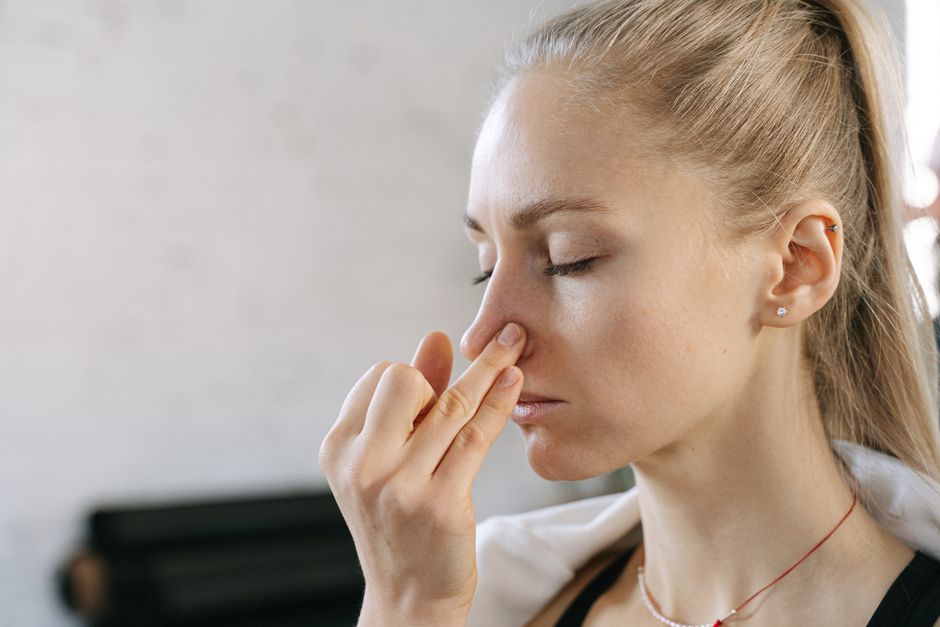
Look in the mirror and you may notice one nostril sits a little higher, a little wider, or a little more open than the other. For most people this is normal. The human face is not perfectly symmetrical, and the nose is one of the most common places that asymmetry shows up. Uneven nostrils usually come from how the nose developed before birth, from a deviated septum, from the shape of the nasal cartilage, or from an injury. In many cases the difference is cosmetic and harmless. When it affects breathing, that is a different conversation.
What Causes Uneven Nostrils?
The most common reason is natural asymmetry in the structures that make up the nose. The nasal septum is the wall of bone and cartilage that divides the nose into two halves. When that wall leans to one side, it can push one nostril into a different shape or position than the other. This is called a deviated septum, and it is extremely common. Some estimates suggest a large share of adults have some degree of septal deviation, though many never notice it.
The nostrils themselves are openings framed by cartilage and soft tissue. The size and angle of those openings depend on the shape of the lower lateral cartilages, the small curved pieces of cartilage that give the nose its tip and outer shape. If those cartilages differ from side to side, the nostrils will too. This is a structural feature, not a disease.
There is a detail worth knowing here. The two sides of the nose are not identical in how they function, even in people whose nostrils look even. The nasal cycle causes the lining of the nose to swell and shrink on a rotating basis, so one side tends to carry more airflow than the other at any given moment. That cycle can make a small structural difference look bigger than it is on any given day.
Is Uneven Nostril Size Genetic?
Yes, in large part. The shape of your nose is determined by your genes, the same way height and eye color are. The cartilage and bone that form the nose follow a blueprint set before birth. Small differences in how that blueprint plays out on each side are expected.
Facial asymmetry is the rule, not the exception. Researchers who study facial structure consistently find that no face is perfectly symmetrical, and the nose is frequently one of the more asymmetric features. A study using three-dimensional imaging to measure nasal asymmetry in healthy adults found measurable differences between the two sides in most participants. That is worth sitting with. If nearly everyone has some nasal asymmetry, then having it is not a sign that something went wrong.
Family resemblance matters too. If a parent or sibling has a similar nostril difference, that is a strong hint that the cause is inherited structure rather than injury or disease.
Can an Injury Change the Shape of Your Nostrils?
Yes. Trauma to the nose is one of the clearest causes of a new or worsening difference between the two nostrils. A broken nose, a sports collision, a fall, or a car accident can shift the septum or the cartilage that frames the nostrils. Sometimes the change is immediate. Sometimes it develops over months as the nose heals and scar tissue forms.
The timing matters for understanding what happened. If your nostrils have always been slightly uneven, the cause is almost certainly developmental. If the difference appeared after a specific event, injury is the likely explanation. A deviated septum from birth and one from trauma can look similar, but the history tells the story.
Past nasal surgery can also change nostril shape. Any procedure that alters the septum, the tip, or the openings can leave the two sides looking different, especially during the healing period.





When Uneven Nostrils Affect Breathing
Appearance and function are separate issues. Many people with visibly uneven nostrils breathe perfectly well. Others have a blockage that has nothing to do with how the nostrils look from the outside.
A deviated septum can narrow one nasal passage and make it harder to move air through that side. This is a mechanical problem. The septum takes up space inside the nose, and when it leans, it can crowd one airway. Symptoms that point to a functional problem include:
- Consistent blockage on one side that does not switch sides
- Difficulty breathing through the nose during exercise or sleep
- Frequent mouth breathing
- Loud snoring or disrupted sleep
- Recurring nosebleeds on one side
- Frequent sinus infections on one side
The key word is consistent. The normal nasal cycle makes blockage switch sides every few hours. Blockage that stays on one side is more likely to have a structural cause. If you are unsure which pattern you have, paying attention over a few days can help clarify it. A doctor can examine the inside of the nose directly.
One clarification worth making: a deviated septum does not always cause symptoms. Plenty of people have a significant deviation and no breathing complaints at all. The presence of a deviation on an exam does not by itself mean it needs treatment.
Does a Deviated Septum Always Need Treatment?
No. A deviated septum only needs treatment if it is causing problems. If you breathe well, sleep well, and are not bothered by the appearance, no treatment is required. This is a case where doing nothing is a reasonable and common choice.
When symptoms are significant, the options depend on the cause. For breathing problems tied to a structural blockage, some clinicians recommend a procedure called septoplasty, which straightens the septum. For cosmetic concerns about nostril shape, rhinoplasty addresses the external structure. These are different operations with different goals, and they are sometimes combined.
It is worth being clear about the evidence here. Septoplasty is a well-established operation for nasal obstruction, and many patients report improved breathing afterward. But outcomes vary, and not everyone gets full relief. Studies on septoplasty results show a range of satisfaction, and some patients continue to have symptoms. Anyone considering surgery should discuss realistic expectations with a surgeon rather than assume a guaranteed fix. Medical treatment, such as nasal steroid sprays, can help with the swelling and inflammation that often make a structural blockage feel worse, even though it does not change the shape of the septum.
What Else Can Make Nostrils Look Uneven?
Several other factors can create or exaggerate the appearance of uneven nostrils. It helps to know them so you do not assume the wrong cause.
- Swelling and congestion: Allergies, colds, and sinus infections swell the nasal lining. Because the two sides can swell differently, one nostril can look smaller or more closed temporarily.
- Nasal polyps or other growths: Noncancerous growths inside the nose can block one side and change how the nostril looks or functions.
- Collapsed nasal valve: The nasal valve is the narrowest part of the airway near the nostril opening. If it weakens or collapses, especially on inhale, one side can look or feel different.
- Skin and soft tissue differences: The tissue around the nostrils is not always symmetrical, and small differences in the alar (outer) cartilage are common.
- Facial nerve conditions: Rarely, weakness in the muscles of the face can change the resting shape of the nose and nostrils.
Most of these are not serious. Some, like polyps or a collapsing nasal valve, are worth having evaluated because they can affect breathing.
When Should You See a Doctor About Uneven Nostrils?
See a doctor if the difference is new, if it appeared after an injury, or if it comes with breathing trouble, persistent one-sided blockage, or recurring infections. A new asymmetry that develops without an obvious cause deserves a look, because it can occasionally signal something that needs attention.
You should also seek care if you notice:
- Nosebleeds that keep coming back on one side
- Pain, swelling, or a lump near the nose
- Loss of smell
- Changes in vision or facial numbness along with nasal changes
For most people, though, uneven nostrils are simply part of how their face is built. They are not a sign of illness, and they do not need fixing unless they bother you or affect how you breathe.
Frequently Asked Questions
Is it normal to have one nostril bigger than the other?
Yes, it is common and usually normal. Facial asymmetry is expected, and the nose is one of the features where small differences between the two sides show up most often.
Can uneven nostrils be fixed without surgery?
If the difference is caused by swelling or congestion, treating the underlying allergy or infection can reduce it. Structural differences in cartilage or a deviated septum do not change with medication.
Does a deviated septum always cause uneven nostrils?
No. A deviated septum can affect the inside of the nose without changing how the nostrils look on the outside, and many people have a deviation with no visible difference at all.
When should I worry about uneven nostrils?
Worry is not usually the right word, but you should see a doctor if the difference is new, followed an injury, or comes with breathing problems, repeated one-sided nosebleeds, or infections.
