
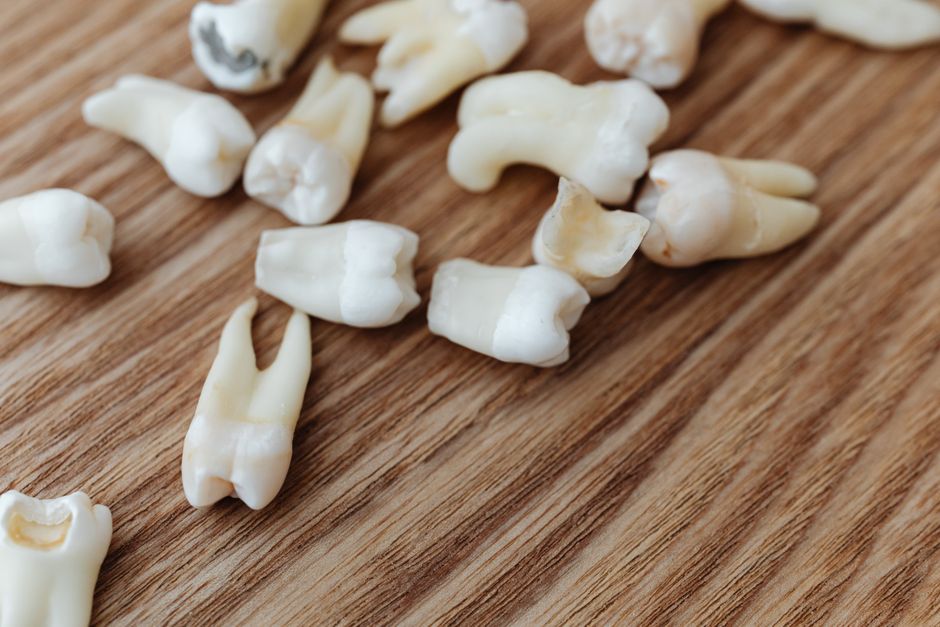
Tooth decay is caused by acid that bacteria produce when they break down sugars from the foods you eat. That acid attacks the hard outer layer of your teeth, called enamel, and over time it creates holes called cavities. It is a gradual process that starts with tiny mineral losses and only becomes a visible cavity if the acid attacks continue without repair.
What Causes Tooth Decay?
Tooth decay happens through a chain of events that starts with bacteria. Everyone has bacteria in their mouth. Some of these bacteria, mainly a group called Streptococcus mutans, feed on sugar and simple carbohydrates. When they digest these sugars, they release acid as a waste product.
That acid is the direct cause of decay. It lowers the pH in your mouth and pulls minerals like calcium and phosphate out of your tooth enamel. This process is called demineralization. Your saliva naturally works against this by returning minerals back to the enamel, a process called remineralization. Tooth decay develops when demineralization happens faster than remineralization over a sustained period.
It is not just about how much sugar you eat. It is about how often your teeth are exposed to acid. Frequent snacking, sipping sugary drinks all day, or poor brushing habits give bacteria a constant food supply. Each acid attack lasts about 20 to 30 minutes after you eat. If you snack every hour, your teeth rarely get a break from the acid.
How Do Cavities Actually Form?
A cavity is not an overnight event. It is the end stage of a process that takes months or even years. The first sign of trouble is a white spot on the tooth. That white spot is an area where minerals have been lost from the enamel but no hole has formed yet. At this stage, the damage can still be reversed with fluoride and better oral hygiene.
If the acid attacks continue, the enamel breaks down further and a small hole forms. Once that hole penetrates the enamel, it reaches the dentin, the softer yellow layer beneath. Dentin is less resistant to acid than enamel, so decay spreads faster at this point. This is often when people first feel sensitivity to cold, sweet, or hot foods.
If left untreated, the decay reaches the pulp, the innermost chamber that contains nerves and blood vessels. At this stage, the tooth may hurt constantly, and a root canal or extraction is usually needed. The infection can also spread to the jawbone and cause an abscess, which is a serious medical situation.
Which Foods and Drinks Matter Most?
Not all foods affect your teeth the same way. The biggest risk comes from foods that combine sugar with stickiness. Sticky foods like dried fruit, caramel, and chewy candies cling to the grooves of your teeth. That gives bacteria a longer feeding time compared to foods that wash away quickly with saliva.
Drinks are a major concern because people sip them over long periods. Sugary sodas, sports drinks, sweetened tea, and fruit juices all bathe the teeth in sugar. Even drinks that are not obviously sweet can be a problem. Milk contains lactose, a natural sugar, so constant bottle-feeding or sipping milk throughout the day can cause decay in children.
Acidic drinks do double damage. The acid in soda, citrus juices, and some sparkling waters directly erodes enamel on top of feeding bacteria. A 2016 study in the Journal of the American Dental Association found that both sugar content and acidity contribute to enamel erosion, but the combination is more damaging than either factor alone.
Foods that are less harmful include those high in protein and fat, like cheese, nuts, and plain yogurt. These foods stimulate saliva flow and can help neutralize acid. Crunchy vegetables like carrots and celery also increase saliva and physically scrub the teeth, though they are not a substitute for brushing.





Why Do Some People Get More Cavities Than Others?
Two people can eat the same diet and have very different cavity rates. Genetics play a real role. Some people naturally have thicker, harder enamel. Others have deep pits and fissures on their molars where food and bacteria easily get trapped. The shape of your teeth and the composition of your saliva are partly inherited.
Saliva is one of the most underappreciated factors in oral health. Saliva does more than keep your mouth moist. It buffers acid, washes away food particles, and carries the minerals needed to repair enamel. People with dry mouth, a condition called xerostomia, have significantly higher cavity risk. Dry mouth is a common side effect of many medications, including antihistamines, antidepressants, and blood pressure drugs.
Your oral microbiome also matters. Some people carry higher levels of cavity-causing bacteria, often passed from caregiver to child during infancy. Research published in the journal Caries Research has shown that mothers with untreated cavities are more likely to pass these bacteria to their children through shared utensils or kissing.
Age changes your risk profile too. Older adults often develop cavities around existing fillings and at the roots of teeth. Receding gums expose the root surface, which is covered by cementum, a material much softer than enamel. Root decay can progress quickly because this surface offers less protection.
What Are the Early Warning Signs?
Early tooth decay often has no symptoms at all. That is why regular dental checkups matter. A dentist can spot demineralization and small cavities long before you feel anything.
The first symptom people usually notice is tooth sensitivity. You might feel a twinge when drinking something cold or eating something sweet. This sensitivity happens because the enamel has thinned enough that temperature and sugar reach the nerves in the dentin.
Visible changes come later. You may see a brown or black spot on the tooth surface. You might feel a rough edge when you run your tongue over the tooth. Persistent tooth pain, especially pain that keeps you awake at night, usually means the decay has reached the pulp. Bad breath or a bad taste that does not go away can also signal advanced decay with infection.
If you notice any of these signs, see a dentist promptly. Waiting almost always makes the treatment more involved. A small cavity can be fixed with a simple filling. Advanced decay may require a crown, root canal, or extraction.
Can Tooth Decay Be Reversed?
Yes, but only in the earliest stage. When decay is limited to demineralization without an actual hole, the tooth can heal itself. This process requires fluoride, which accelerates remineralization and makes enamel more resistant to future acid attacks.
Fluoride works in three ways. It helps rebuild weakened enamel, it inhibits bacteria from producing acid, and it makes the tooth structure more resistant to dissolving. Most public water supplies in the United States contain fluoride at levels that reduce cavities by about 25 percent, according to the Centers for Disease Control and Prevention.
Fluoride toothpaste is also effective. Brushing twice a day with a toothpaste containing fluoride gives your teeth regular exposure to this mineral. Some dentists recommend prescription-strength fluoride toothpaste for patients at high risk of decay. Professional fluoride varnishes applied in the dental office provide a concentrated dose that lasts for several months.
Once a cavity has formed — meaning there is an actual hole in the tooth — it cannot heal on its own. The enamel is gone and does not regenerate. At this point, a dentist must remove the decayed tissue and restore the tooth with a filling. No home remedy, diet change, or supplement can repair a cavity once the structure of the tooth is broken.
How Can You Prevent Tooth Decay?
Prevention follows directly from the cause. Since bacteria need sugar to produce acid, limiting sugar exposure is the foundation. The American Heart Association recommends no more than 25 grams of added sugar per day for women and 36 grams for men, though this guideline is for heart health rather than dental health specifically. For dental purposes, the frequency of sugar exposure matters more than the total amount.
Brush twice a day with fluoride toothpaste. Brushing removes the sticky film of bacteria, called plaque, that forms on teeth. Plaque is the environment where bacteria thrive and produce acid. If plaque is not removed within 24 to 48 hours, it hardens into tartar, which cannot be removed by brushing alone.
Floss daily to clean between teeth where a toothbrush cannot reach. About 40 percent of tooth surfaces are between teeth, and decay in these areas is common when flossing is skipped.
Regular dental visits are essential. Most dentists recommend a checkup and cleaning every six months, though some people need more frequent visits based on their risk level. Professional cleanings remove tartar and give the dentist a chance to catch problems early.
Sealants are another effective tool. A sealant is a thin plastic coating applied to the chewing surfaces of molars. It fills the deep grooves where food gets trapped and prevents bacteria from reaching the enamel. The CDC reports that sealants prevent 80 percent of cavities in the back teeth for two years after application, though the protection continues beyond that.
Frequently Asked Questions
Can tooth decay spread from one tooth to another?
Tooth decay itself does not spread between teeth. The bacteria that cause decay can spread to other areas of your mouth, which is why untreated decay often leads to new cavities in other teeth.
Does sugar-free gum help prevent cavities?
Chewing sugar-free gum after meals increases saliva flow, which helps neutralize acid and wash away food particles. Some studies suggest xylitol-sweetened gum may also reduce cavity-causing bacteria, but gum is not a replacement for brushing and flossing.
Are cavities contagious?
The bacteria that cause cavities can be passed from person to person through saliva. Sharing utensils, kissing, or tasting food from the same spoon can transfer cavity-causing bacteria, especially from parents to young children.
How long does it take for a cavity to form?
It typically takes months to years for a cavity to develop. The speed depends on your diet, oral hygiene, saliva flow, and the strength of your enamel. Early demineralization can appear within weeks, but a visible hole usually takes much longer.
