
A hole in your tooth is a cavity, and it will not heal on its own. You cannot safely clean it at home in a way that stops the decay. The only safe way to clean and repair a cavity is to have a dentist remove the decayed tissue and fill the hole. At home, you can only keep the area clean to slow down further damage until you can see a professional. This article explains exactly what you can do safely, what you should never do, and why seeing a dentist is not optional.
What Is a Hole in Your Tooth?
A hole in your tooth is the result of tooth decay. Bacteria in your mouth feed on sugars from food and drink. As they digest these sugars, they produce acid. That acid eats away at the hard outer layer of your tooth, called enamel. Over time, the acid creates a small pit. Once the pit breaks through the enamel, it reaches the softer dentin layer underneath. This is when the hole becomes visible and often starts to cause pain.
The hole is not just a gap. It is an active bacterial infection inside your tooth structure. The bacteria continue to multiply and produce acid inside the hole. This is why the cavity keeps getting bigger. No home cleaning method can remove these bacteria from inside the tooth tissue. Only a dentist can physically remove the infected part of the tooth and replace it with a filling.
Can You Clean a Cavity at Home?
No. You cannot clean a cavity at home in a way that stops the decay. The infection is inside the tooth, not on the surface. Brushing, rinsing, or scraping the hole will not remove the bacteria that have already penetrated the enamel and dentin. You can clean the surface around the hole, and you can keep food particles out of it. But you cannot repair the damage or stop the decay process without professional treatment.
What you can do at home is manage the situation temporarily. Keeping the area clean and free of food debris can slow down the progression of the cavity. It can also reduce your risk of pain and further infection while you wait for a dental appointment. This is damage control, not treatment. The only true treatment for a cavity is a dental filling.
How To Clean A Hole In Your Tooth Safely At Home
If you have a cavity and cannot see a dentist immediately, here is the safest way to care for it at home. These steps will not fix the hole, but they will keep it as clean as possible and reduce the chance of the decay spreading quickly.
- Rinse gently with warm salt water. Mix about half a teaspoon of salt in a glass of warm water. Swish it gently around your mouth for 30 seconds. Spit it out. Do not rinse forcefully, as this can push food deeper into the hole. Salt water helps reduce bacteria on the surface and soothes irritated gum tissue.
- Brush around the hole carefully. Use a soft-bristled toothbrush and fluoride toothpaste. Brush the tooth gently, but do not press the bristles directly into the hole. Scrubbing inside the cavity can irritate the nerve and cause pain. Brush the chewing surface and sides of the tooth, then let the fluoride rinse over the hole naturally.
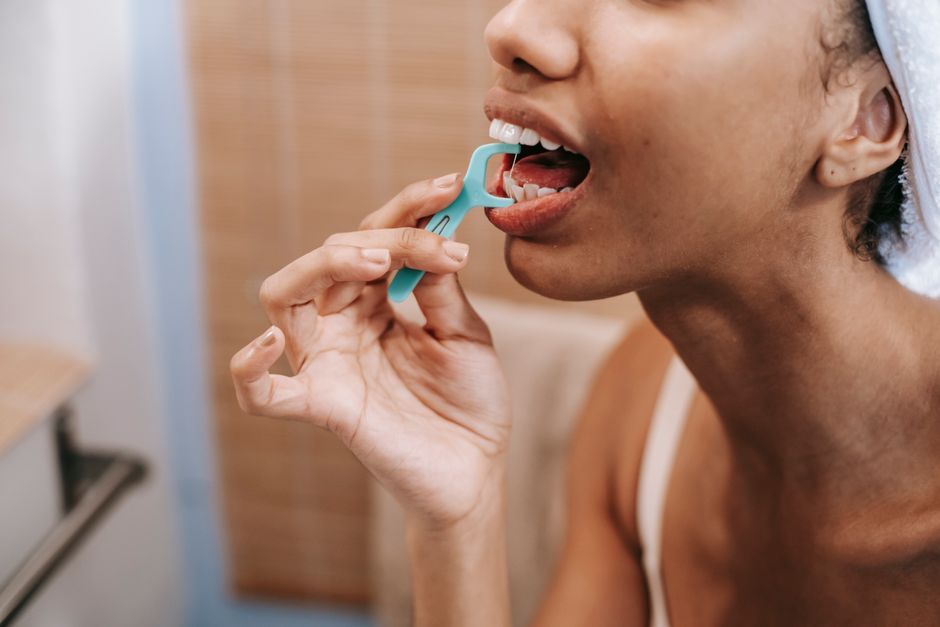
- Floss gently on both sides of the tooth. If food is stuck between the teeth, floss carefully to remove it. Do not snap the floss down hard against the gum. If the floss catches on the edge of the hole, do not force it. This can break off a piece of the tooth or push debris deeper.
- Avoid picking at the hole. Do not use toothpicks, needles, paper clips, or any sharp object to dig food out of the cavity. This can damage the tooth further, push bacteria deeper, and cause severe pain. If food is stuck, a gentle rinse with water is safer than any tool.
- Use fluoride rinse if you have it. An over-the-counter fluoride mouthwash can help strengthen the remaining enamel around the hole. It will not repair the cavity, but it may slow the decay slightly. Do not use a fluoride rinse more than twice a day unless your dentist directs otherwise.
These steps are temporary. They are not a treatment. If the cavity is large, deep, or painful, these home measures will not be enough. You need a dentist to clean the hole properly by removing the decayed tissue and placing a filling.





What Not To Do When You Have a Hole in Your Tooth
Some home remedies circulating online are dangerous. Do not use them. They can cause serious harm to your teeth and your overall health.
Do not use hydrogen peroxide directly in the hole. While dilute hydrogen peroxide is used in some mouthwashes, pouring it directly into a cavity can irritate the pulp, the living tissue inside your tooth. It can cause chemical burns on your gums and tongue. It will not kill the bacteria inside the tooth.
Do not pack the hole with cotton, wax, or other materials. Some people try to fill the hole themselves with cotton balls, candle wax, or chewing gum. This traps bacteria and food inside the cavity. It creates an environment where decay accelerates. It can also cause the tooth to crack from pressure when you chew.
Do not use aspirin directly on the tooth or gum. Aspirin is an acid. Placing it against your gum can cause a chemical burn, which is often more painful than the toothache itself. If you need pain relief, swallow the aspirin as directed on the label, or use an over-the-counter pain reliever that is appropriate for you.
Do not use DIY filling kits from the internet. These kits are not approved for home use. They do not bond properly to the tooth, and they can trap bacteria underneath. Some contain materials that are not safe for oral use. No clinical evidence supports their effectiveness.
Do not ignore the hole. A cavity will not stop growing. It will continue to spread into the dentin and eventually reach the pulp. When that happens, you will need a root canal or an extraction instead of a simple filling. The longer you wait, the more complex and expensive the treatment becomes.
Why a Dentist Must Clean the Hole
A dentist does more than just fill the hole. They remove all the decayed tissue first. This is a precise process that requires specialized tools. The dentist drills away the infected enamel and dentin until they reach healthy tooth structure. If any decay remains, the filling will fail and the cavity will continue to grow underneath it.
Dentists also assess how deep the cavity goes. If it has reached the pulp, a filling is not enough. You may need a root canal to remove the infected nerve tissue. If the tooth is too badly damaged, extraction may be the only option. X-rays are often needed to see the full extent of the decay, which cannot be seen with the naked eye.
Attempting to clean the hole yourself at home carries risks. You cannot see the full depth of the cavity. You cannot tell if the decay has reached the pulp. You cannot sterilize the inside of the tooth. Home cleaning only addresses the surface. The infection inside remains active and continues to spread.
When a Hole in Your Tooth Is an Emergency
Some symptoms mean you need urgent dental care. Do not wait for a routine appointment if you experience any of the following:
- Severe, throbbing pain that does not stop
- Swelling in your face, jaw, or cheek
- Fever or chills
- Difficulty swallowing or breathing
- A bad taste in your mouth that does not go away
- Pus draining from around the tooth
These symptoms suggest the infection has spread beyond the tooth into the surrounding tissue. This is a dental abscess, which is a serious medical condition. If the infection spreads to other parts of your face or body, it can become life-threatening. Go to an emergency room if you have severe swelling or trouble breathing. Do not try to treat this at home.
How To Prevent Future Cavities
Preventing cavities is far easier than treating them. The same bacteria that caused your current hole will cause new ones if you do not change the conditions in your mouth.
Brush your teeth twice a day with fluoride toothpaste. Floss once a day to remove plaque from between your teeth. Limit sugary snacks and drinks, especially between meals. When you do eat sugar, rinse your mouth with water afterward. This reduces the time your teeth are exposed to acid.
Regular dental checkups are essential. A dentist can catch cavities when they are small, before they become holes. Early-stage cavities can sometimes be treated with fluoride or a small filling. Waiting until you feel pain means the decay is already deep.
Frequently Asked Questions
Can I use a toothpick to clean food out of a cavity?
No. Toothpicks can push debris deeper into the hole and damage the tooth further. Rinse gently with warm water or use a soft toothbrush around the area instead.
Will salt water rinse help a cavity heal?
Salt water rinse will not heal a cavity or stop the decay. It can reduce surface bacteria and soothe irritated gums, but the hole itself requires professional dental treatment.
Is it safe to use a DIY filling kit at home?
No. DIY filling kits are not approved for home use and can trap bacteria under the material, making the decay worse. Only a dentist should place a filling.
How long can I wait before seeing a dentist for a cavity?
You should see a dentist as soon as possible, ideally within a few weeks. If you have severe pain, swelling, or fever, seek emergency dental care immediately.
