
Tooth decay is one of the most common health conditions in the world, but it is also one of the most preventable. You prevent tooth decay by removing the bacterial film (plaque) that forms on teeth, limiting how often your teeth are exposed to sugar, and using fluoride to strengthen enamel. These three actions—disrupting plaque, reducing sugar exposure, and supporting enamel repair—are the foundation of every effective prevention strategy.
What Actually Causes Tooth Decay?
Tooth decay is not caused by sugar itself. It is caused by specific bacteria that live naturally in your mouth. These bacteria feed on the sugars and carbohydrates you eat and produce acid as a waste product.
That acid is the problem. It pulls minerals out of your tooth enamel in a process called demineralization. Your saliva works against this by putting minerals back, which is called remineralization. Decay happens when the acid wins more often than your saliva does.
Every time you eat or drink something with sugar or refined carbohydrates, your mouth enters an acid attack that lasts about 20 to 30 minutes. If you snack constantly throughout the day, your teeth never get a real break from that acid. The frequency of sugar exposure matters just as much as the amount.
Once the enamel weakens enough, a cavity forms. At that point, the damage cannot be reversed at home. The tooth needs a filling or other dental treatment.
How Does Fluoride Prevent Tooth Decay?
Fluoride is the single most studied and most effective tool for preventing tooth decay. It works in two ways.
First, fluoride makes your enamel more resistant to acid. When fluoride is present in your saliva, it gets incorporated into the enamel surface and forms a stronger mineral called fluorapatite. This mineral is significantly harder for acid to dissolve than your natural enamel.
Second, fluoride helps reverse early decay. If demineralization has started but has not yet formed a cavity, fluoride can speed up remineralization. It actively repairs the damaged enamel before the decay becomes permanent.
Most public water supplies in the United States contain fluoride at levels adjusted to prevent decay. This is one of the most successful public health measures of the past century. If your water is not fluoridated, your dentist can recommend alternative sources such as fluoride toothpaste, mouth rinses, or professional fluoride treatments.
How Often Should You Brush and Floss?
Brushing twice a day is the standard recommendation from dental professionals. One of those brushings should be right before bed, because your saliva production drops while you sleep. With less saliva, your mouth has less natural protection, so going to bed with plaque on your teeth is especially damaging.
Use a toothpaste that contains fluoride. The amount of fluoride in standard toothpaste is well established and safe for adults and children over the age of two. For most adults, a pea-sized amount is sufficient.
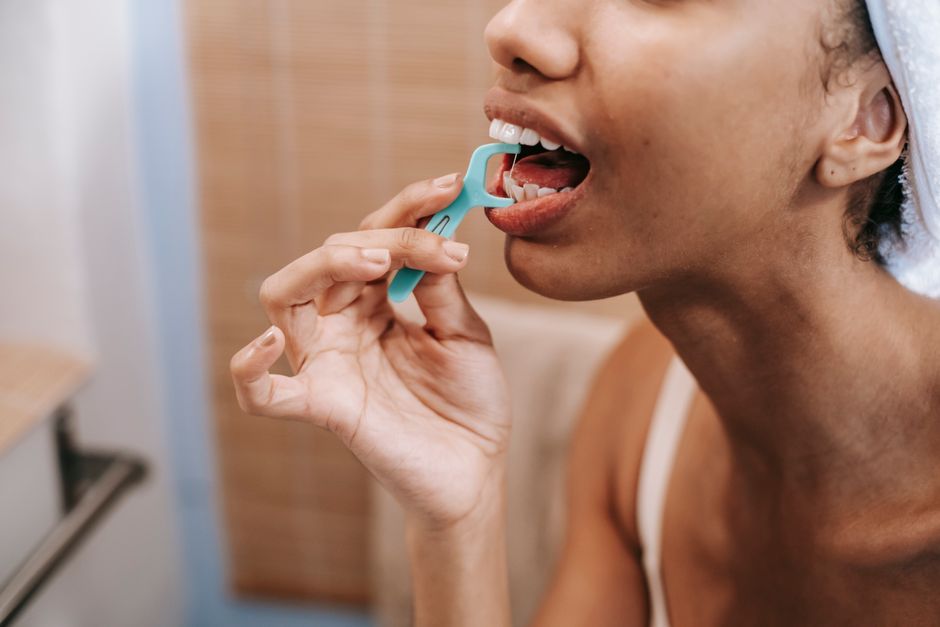
Flossing once a day is the guideline, and it matters for a specific reason. Your toothbrush cannot reach the tight spaces between your teeth. Plaque that forms in these areas is sheltered from both brushing and saliva. Over time, this hidden plaque causes decay between teeth that often goes unnoticed until it reaches the nerve.
Proper technique matters more than pressure. Brush gently in small circular motions along the gumline, not aggressively back and forth. Aggressive brushing can wear away enamel and push your gums back, exposing sensitive tooth roots that decay easily.



What Role Does Diet Play in Preventing Cavities?
Diet is not just a factor in tooth decay—it is the primary driver. The bacteria in your mouth cannot produce acid without fermentable carbohydrates to feed on.
Sugar is the most obvious culprit, but it is not the only one. Refined starches like white bread, crackers, and potato chips break down into sugars in your mouth. Even healthy foods like dried fruit and fruit juice are high in concentrated sugar. The issue is not the food itself but how it behaves in your mouth.
Sticky foods are worse than foods that clear quickly. A caramel that clings to your teeth feeds bacteria for a long time. A sugary drink that you finish in five minutes exposes your teeth for a shorter window. This is why sipping sweet drinks throughout the day is one of the most damaging habits for your teeth—it creates a constant sugar bath.
Some foods genuinely help. Cheese, for example, stimulates saliva and contains calcium and phosphate that support remineralization. Crunchy vegetables like carrots and celery also increase saliva flow and physically scrub tooth surfaces. Water, especially fluoridated water, rinses away food particles and dilutes acid.
If you do eat something sweet, the best time is with a meal. Saliva production increases during meals, which helps buffer the acid and clear the sugar more quickly.
How Do We Prevent Tooth Decay With Dental Sealants?
Dental sealants are thin plastic coatings applied to the chewing surfaces of the back teeth. These molars and premolars have deep grooves and pits where food and bacteria collect. These grooves are often too narrow for toothbrush bristles to reach, making them highly vulnerable to decay.
Sealants physically block bacteria and food from settling in these grooves. They are applied by a dentist or hygienist in a simple, painless procedure that takes minutes per tooth. The sealant bonds to the enamel and creates a smooth surface that is easy to clean.
Research consistently shows that sealants significantly reduce decay in the chewing surfaces of permanent molars. They are most effective when applied shortly after the molars erupt, which is why they are commonly recommended for children around ages 6 and 12. However, adults can benefit too, especially if they have deep grooves and no existing fillings on those teeth.
Sealants are not a replacement for brushing and flossing. They only protect the chewing surfaces, not the spaces between teeth or the areas near the gumline. But for the surfaces they cover, they are one of the most effective preventive interventions available.
How Often Should You Visit the Dentist?
The standard recommendation is a dental checkup every six months. However, this frequency is not right for everyone. Some people need to be seen every three to four months, while others can safely go once a year.
Your dentist determines the right interval based on your individual risk. Factors that increase risk include a history of cavities, poor saliva flow, gum disease, smoking, and certain medical conditions. If you have none of these risk factors and a strong home care routine, you may not need to be seen as frequently.
Regular visits matter because early decay is invisible to you. A cavity does not cause pain until it has progressed deep into the tooth. By the time you feel it, the treatment is more extensive and expensive. A dentist can detect early demineralization and intervene before a cavity forms.
Dental cleanings also remove tartar, which is hardened plaque that you cannot remove with a toothbrush. Tartar creates a rough surface that attracts even more plaque and bacteria.
Are There Effective Natural or Alternative Prevention Methods?
Some natural products have genuine evidence behind them. Xylitol, a natural sweetener derived from plants, has been studied extensively. Research indicates that xylitol reduces the growth of decay-causing bacteria. Chewing gum sweetened with xylitol after meals has been shown to reduce cavity rates in several studies.
Green tea contains compounds that may inhibit bacterial growth in the mouth. Some studies suggest it has a modest anti-cavity effect, though the evidence is not as strong as it is for fluoride.
Oil pulling, which involves swishing oil in your mouth for 15 to 20 minutes, has become popular on social media. The evidence for oil pulling is limited. Some small studies suggest it may reduce plaque, but no large clinical trials have confirmed that it prevents cavities. It is not a substitute for brushing with fluoride toothpaste.
Be cautious with claims about “natural” toothpastes. Many natural toothpastes do not contain fluoride, and some contain abrasive ingredients that can damage enamel. If you choose a natural toothpaste, check the label for fluoride. If it does not contain fluoride, it is not providing the primary protective ingredient proven to prevent decay.
What Are the Early Signs of Tooth Decay?
Early decay often has no symptoms at all. The first visible sign may be a white spot on the tooth surface. This indicates demineralization has begun, but the enamel is still intact. At this stage, the decay can be reversed with fluoride and improved hygiene.
As decay progresses, the white spot may turn brown or black. You might notice sensitivity to sweet foods or cold drinks. This sensitivity occurs because the enamel has thinned, allowing temperature and sugar to reach the softer dentin layer beneath.
Pain is a late sign. If you have a toothache that lingers after eating or drinking, the decay has likely reached the inner pulp of the tooth where the nerve lives. At this stage, a filling is no longer sufficient, and a root canal or extraction may be necessary.
If you notice any of these signs, see a dentist promptly. Waiting almost always results in more extensive treatment.
Frequently Asked Questions
Can tooth decay be reversed once it starts?
Yes, but only in the earliest stage before a cavity forms. When decay is limited to demineralization of the enamel surface, fluoride and good oral hygiene can repair it.
Is it better to brush before or after breakfast?
Brush before breakfast to remove overnight plaque, then rinse your mouth with water after eating if you cannot wait 30 minutes. Brushing immediately after eating acidic foods can damage softened enamel.
Do sugar-free drinks cause tooth decay?
No, sugar-free drinks do not feed decay-causing bacteria. However, acidic drinks like diet soda can still erode enamel over time, which makes teeth more vulnerable to decay.
Are electric toothbrushes better than manual ones?
Studies show electric toothbrushes, especially those with oscillating heads, remove slightly more plaque than manual brushes. The best toothbrush is the one you use correctly twice a day.
