
Most people think of blood problems as having too little blood, like anemia. But the opposite can also happen. The medical term is erythrocytosis or polycythemia. It means your body makes too many red blood cells. This makes your blood thicker than normal. Thicker blood flows more slowly, which raises your risk of blood clots, stroke, and heart attack. Understanding what causes this condition is the first step to managing it safely.
What Does It Mean to Have Too Much Blood?
Your blood is made of liquid plasma and solid cells. Red blood cells carry oxygen. When you have too many of them, the ratio of cells to liquid goes up. Doctors call this an elevated hematocrit. Hematocrit is the percentage of your blood that is made of red cells.
Normal hematocrit levels are roughly 36% to 50% for most adults, depending on age and sex. When the level climbs well above the normal range, your blood becomes viscous, or syrupy. This forces your heart to work harder to push blood through your veins and arteries.
Having too many red blood cells is not a disease itself. It is a sign that something else is going on in your body. The cause may be a bone marrow problem, a response to low oxygen, or a lifestyle factor.
What Causes Too Much Blood In The Body?
The causes fall into two main groups. Primary erythrocytosis means the bone marrow itself is overproducing cells. Secondary erythrocytosis means another condition is telling your body to make more red blood cells.
The most well-known primary cause is polycythemia vera. This is a myeloproliferative neoplasm, a type of blood cancer where the bone marrow makes too many red cells. It is driven by a mutation in the JAK2 gene in most cases. This is not caused by anything you did. It is not related to lifestyle or diet.
Secondary causes are more common. Your kidneys release a hormone called erythropoietin, or EPO, when they sense low oxygen in the blood. EPO signals the bone marrow to produce more red cells. Any condition that lowers oxygen levels in your blood can trigger this response. Chronic lung disease, sleep apnea, and heart failure are examples. Living at high altitude also naturally raises red blood cell counts because the air has less oxygen.
Some secondary causes are not about oxygen at all. Certain tumors can release EPO inappropriately. Kidney tumors and liver tumors are the main examples. These are rare but serious causes that require medical imaging to detect.
How Do You Know If Your Blood Is Too Thick?
Many people with mild erythrocytosis have no symptoms at all. The condition is often found during routine blood work for another reason. When symptoms do appear, they are caused by poor blood flow and tissue congestion.
Common symptoms include headaches, dizziness, and blurred vision. You may notice your skin looks flushed, especially on the face. Itching after a warm shower is a classic symptom of polycythemia vera, though not everyone experiences it. Fatigue and weakness are common because your tissues are not getting oxygen efficiently despite having more red cells.
More serious symptoms include chest pain, shortness of breath, and confusion. These can signal a blood clot. A clot in the leg causes swelling and pain. A clot in the lung causes sudden chest pain and trouble breathing. A clot in the brain causes stroke symptoms like weakness on one side of the body or difficulty speaking.
These symptoms are not specific to erythrocytosis. Many conditions cause them. The only way to know for sure is a complete blood count, or CBC, test.




What Tests Confirm the Diagnosis?
The diagnosis starts with a complete blood count. This test measures your red blood cell count, hemoglobin, and hematocrit. If these levels are high, your doctor will repeat the test to confirm it is not a temporary fluctuation.
Dehydration can falsely elevate hematocrit. When you are dehydrated, you have less plasma, so the red cells make up a higher percentage of the total blood volume. This is called relative polycythemia. The actual number of red cells is normal, but the concentration looks high. Rechecking after adequate fluid intake helps sort this out.
If the elevation is real, the next step is measuring your EPO level. A low EPO level suggests polycythemia vera. A high or normal EPO level points toward a secondary cause. Genetic testing for the JAK2 mutation can confirm polycythemia vera in most cases.
Your doctor may also order an oxygen saturation test. This measures how much oxygen is in your blood. Low oxygen levels point to a secondary cause like lung disease or sleep apnea. Imaging studies of the kidneys and liver may be needed if a tumor is suspected.
What Are the Risks of Untreated High Red Blood Cell Counts?
The main danger is blood clots. Thick blood flows sluggishly, and slow flow allows platelets to clump and form clots. These clots can block blood vessels anywhere in the body.
A clot in the brain causes an ischemic stroke. A clot in the heart causes a heart attack. A clot in the lungs is a pulmonary embolism, which can be fatal. Deep vein thrombosis, or DVT, occurs when a clot forms in a deep vein, usually in the leg.
People with polycythemia vera also have an increased risk of developing a condition called myelofibrosis over time. This is scarring of the bone marrow that eventually leads to marrow failure. There is also a small risk of the disease transforming into acute leukemia. These long-term risks are why polycythemia vera requires ongoing monitoring by a hematologist.
Untreated secondary erythrocytosis carries the same clot risks. The underlying cause, such as sleep apnea or heart disease, also needs treatment to protect your health.
How Is Too Much Blood Treated?
Treatment depends entirely on the cause. There is no one-size-fits-all approach.
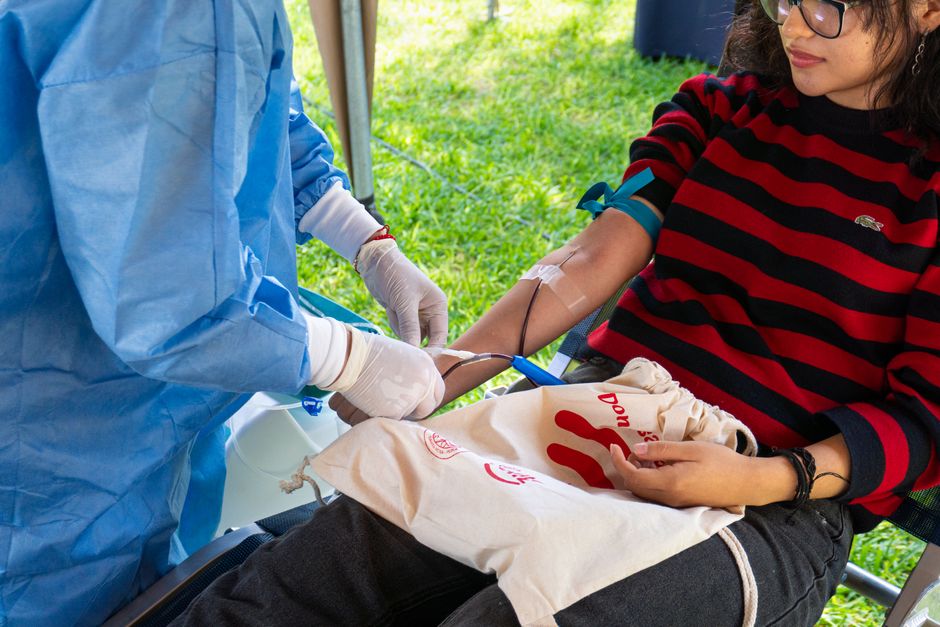
For polycythemia vera, the main treatment is therapeutic phlebotomy. This is the removal of a pint of blood, similar to donating blood. It lowers your red cell count and reduces blood thickness. The frequency depends on your hematocrit levels. Some people need phlebotomy every few weeks. Others need it only a few times a year.
Low-dose aspirin is often prescribed for people with polycythemia vera. It reduces the risk of blood clots. Some people need medication to suppress bone marrow activity. Drugs like hydroxyurea or interferon are used when phlebotomy alone is not enough.
For secondary erythrocytosis, the treatment targets the underlying cause. If you have sleep apnea, continuous positive airway pressure, or CPAP, therapy may correct the low oxygen. If you have lung disease, treating that condition is the priority. If you live at high altitude, moving to a lower elevation can help, though this is not always practical.
If a tumor is causing the problem, removing it surgically usually resolves the high red cell count. Some people with secondary erythrocytosis also need phlebotomy to manage symptoms while the underlying cause is being treated.
Can Lifestyle Changes Help?
Lifestyle changes do not cure polycythemia vera. This is a bone marrow disease, and no diet or supplement will fix a genetic mutation. Anyone who claims otherwise is selling something unsupported by evidence.
That said, lifestyle choices matter for managing your overall risk. Staying well hydrated helps keep blood from becoming even more concentrated. Avoiding tobacco is critical because smoking lowers blood oxygen and stimulates red cell production. Regular exercise improves circulation, but you should check with your doctor first if you have a high red cell count.
Some people use performance-enhancing drugs like EPO or blood transfusions to boost red cell counts for athletic gain. This is dangerous. It dramatically increases clot risk and can be fatal. It is also banned in all competitive sports.
No supplement has been shown to safely lower red blood cell counts. If your doctor recommends phlebotomy or medication, follow that advice rather than seeking unproven alternatives.
When Should You See a Doctor?
You should see a doctor if you have persistent headaches, dizziness, or unusual flushing that does not go away. You should also seek care if you have risk factors like sleep apnea, chronic lung disease, or a family history of polycythemia vera.
Seek emergency care immediately if you have sudden chest pain, trouble breathing, weakness on one side of your body, or difficulty speaking. These are signs of a blood clot and require urgent treatment.
If blood work shows a high red cell count, do not panic. Many causes are manageable. The key is getting an accurate diagnosis so you can receive the right treatment. A hematologist, a doctor who specializes in blood disorders, is the right specialist to guide your care.
Frequently Asked Questions
Can dehydration cause a falsely high red blood cell count?
Yes. Dehydration reduces plasma volume, which makes red cells look more concentrated than they really are. Repeating the blood test after adequate fluid intake clarifies the true count.
Is having too much blood the same as polycythemia vera?
No. Polycythemia vera is one specific cause of high red blood cell counts, but many other conditions can cause the same result. A doctor must run tests to identify the underlying cause.
Can high red blood cell counts be reversed?
It depends on the cause. Secondary causes like sleep apnea or dehydration can often be corrected. Polycythemia vera is a chronic condition that is managed over time but not cured.
Is too much blood dangerous even without symptoms?
Yes. The risk of blood clots exists even when you feel fine. This is why doctors monitor and treat high red cell counts even in people without symptoms.
