
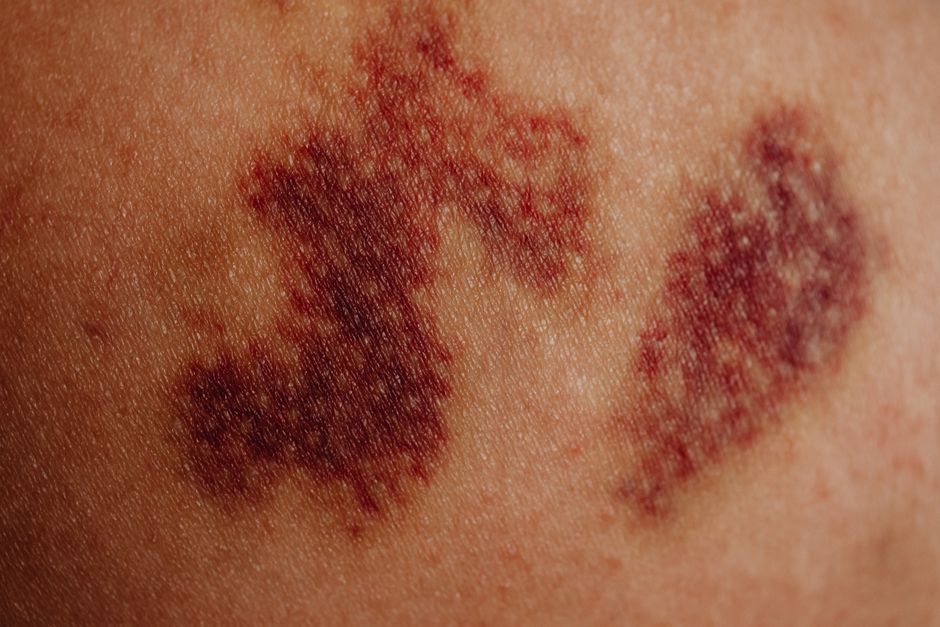
Injecting any substance — whether a medication, vitamin, or cosmetic filler — carries a risk of hitting a blood vessel. When the needle enters a vein or artery, the immediate result depends on what you are injecting and where the vessel is located. In most cases, hitting a blood vessel causes minor bleeding and bruising. In other cases, especially with certain medications or fillers, the consequences can be serious. The key difference lies in whether the injected substance is meant to go into the bloodstream or not.
What Happens If You Hit A Blood Vessel While Injecting?
When a needle punctures a blood vessel, you may see blood appear in the syringe hub — a process called “flashback” or “flash.” This is the most common sign that the needle tip is inside a vein or artery. If the substance you are injecting is safe for intravenous use, such as saline or certain medications, the main risk is minor bleeding and a bruise. If the substance is not meant for the bloodstream — like most cosmetic fillers or oil-based medications — the risk is much higher. The substance can block blood flow, damage tissue, or travel to the lungs or brain.
Arteries carry blood away from the heart under higher pressure. Hitting an artery is more dangerous than hitting a vein. The pressure can cause blood to spurt forcefully, and injecting into an artery can send the substance directly toward the fingers, toes, or brain depending on the injection site. This can cause severe pain, tissue death, and permanent damage.
What Are the Signs You Have Hit a Blood Vessel?
Several signs indicate the needle may be inside a vessel. The most obvious is blood appearing in the syringe when you pull back on the plunger. This is called aspiration, and it is the standard method healthcare providers use to check needle placement.
Other signs include:
- Blood flowing freely into the syringe without suction
- A sudden sharp pain or burning sensation at the injection site
- Swelling that appears quickly
- Skin turning pale or white around the injection site
- Numbness or tingling in the area beyond the injection site
If you feel a burning sensation that travels down your arm or leg, the needle may be inside an artery. This sensation occurs because the blood vessel walls are sensitive and the injected substance is moving in the wrong direction.
What Happens If Medication Is Injected Into a Blood Vessel?
Many medications are designed to be injected into muscle or fat tissue, not directly into the bloodstream. When a medication meant for intramuscular or subcutaneous injection enters a blood vessel instead, the drug enters the circulation all at once rather than being absorbed slowly. This can cause a sudden drop in blood pressure, rapid heart rate, or an allergic-type reaction.
The severity depends on the medication. Some drugs, like certain antibiotics or antipsychotics, can cause serious reactions when given intravenously at the wrong speed. Others may simply cause a metallic taste in the mouth, a cough, or a warm flushing sensation. These symptoms usually pass quickly but can be alarming.
Oil-based medications are especially dangerous if injected into a vein. Oils do not mix with blood. They can form a clot-like mass that travels to the lungs, a condition called pulmonary embolism. This is a medical emergency that can cause chest pain, difficulty breathing, and in severe cases, death. Testosterone injections and some vitamin formulations are oil-based, which is why proper technique matters.



What Happens If Filler Is Injected Into a Blood Vessel?
Cosmetic fillers — such as hyaluronic acid, calcium hydroxylapatite, or poly-L-lactic acid — are never meant to enter blood vessels. When filler is accidentally injected into an artery, it can block blood flow to the skin and underlying tissue. This is called vascular occlusion.
The first signs of vascular occlusion are usually pain and skin blanching — the skin turns white or pale because blood is no longer reaching it. Within hours, the skin may take on a bluish or mottled appearance. If blood flow is not restored quickly, the tissue dies. This can lead to permanent scarring, skin loss, or in severe cases, blindness if the filler travels to the ophthalmic artery.
Blindness from filler injections is rare but has been documented. It occurs most often when filler is injected into the glabella — the area between the eyebrows — or the nose. The arteries in these areas connect directly to the ophthalmic artery, which supplies the retina. Filler that enters this pathway can block the retinal artery and cause irreversible vision loss.
Hyaluronic acid fillers have a specific treatment for vascular occlusion. An enzyme called hyaluronidase can dissolve the filler and restore blood flow. This treatment must be given quickly — ideally within hours — to prevent permanent tissue damage. Other types of fillers do not have a dissolving agent, making vascular occlusion more difficult to reverse.
How Do Healthcare Providers Prevent Hitting a Blood Vessel?
Healthcare providers use several techniques to reduce the risk of hitting a blood vessel. The most important is aspiration — pulling back on the plunger before injecting. If blood appears in the syringe, the needle is repositioned. This is standard practice for intramuscular and subcutaneous injections.
For cosmetic fillers, providers use a technique called “low-pressure, slow injection.” They inject tiny amounts at a time while watching the skin for signs of blanching or pain. Some providers also use a cannula instead of a needle. A cannula is a blunt-tipped tube that is less likely to puncture a blood vessel.
Knowing the anatomy of the injection site is critical. Certain areas have larger or more superficial blood vessels. The buttocks, for example, have a major nerve and blood vessels that must be avoided. The upper arm has a deltoid muscle with a relatively safe injection zone. Providers are trained to identify these landmarks before inserting a needle.
Even with perfect technique, hitting a blood vessel can happen. The risk is reduced but never zero. This is why providers are trained to recognize the signs of vascular injection and respond immediately.
What Should You Do If You Accidentally Hit a Blood Vessel at Home?
If you are injecting at home — whether for testosterone, insulin, allergy shots, or other medications — and you see blood in the syringe, stop. Remove the needle and dispose of it safely. Apply gentle pressure to the site with a clean cloth or gauze. Most minor vessel punctures stop bleeding within a few minutes.
Watch for symptoms that require medical attention:
- Bleeding that does not stop after 10 minutes of pressure
- Severe pain at the injection site
- Numbness, tingling, or weakness in the limb
- Skin that turns pale, blue, or mottled
- Difficulty breathing or chest pain
- A rapid or irregular heartbeat
If you experience any of these symptoms, seek medical care immediately. Do not wait to see if symptoms improve. Some complications, like arterial injection or pulmonary embolism, progress quickly and require emergency treatment.
If you are injecting a medication that requires a specific technique — such as an oil-based drug or a medication that must go into muscle — and you repeatedly hit blood vessels, talk to your healthcare provider. They can review your technique, suggest a different injection site, or recommend a different administration method.
Is Injecting Into a Vein Ever Done on Purpose?
Yes. Intravenous injections are a routine part of medical care. Medications given intravenously are designed to enter the bloodstream directly. Chemotherapy, antibiotics, fluids, and contrast dyes for imaging are all commonly given through veins. In these cases, hitting a blood vessel is the goal, not an accident.
The difference is that the medication is formulated for intravenous use. The pH, osmolality, and particle size are all designed to be safe in the bloodstream. The person administering the injection is trained to confirm the needle is in the vein before injecting. If the needle slips out of the vein and the medication leaks into surrounding tissue — a condition called extravasation — the drug can cause tissue damage. This is why IV placement is done carefully and checked frequently.
When a substance is not formulated for intravenous use, entering the bloodstream is a complication, not an intended outcome. This distinction matters for anyone receiving injections outside a medical setting.
Frequently Asked Questions
How do you know if you hit a blood vessel while injecting?
Blood appearing in the syringe when you pull back on the plunger is the clearest sign. Sudden pain, burning, or rapid swelling at the injection site can also indicate the needle is in a vessel.
What happens if you inject air into a blood vessel?
A small amount of air — less than a few milliliters — is usually harmless and gets absorbed by the lungs. A large amount of air can block blood flow and cause a medical emergency, though this is rare with standard injections.
Can hitting a blood vessel during an injection cause permanent damage?
Most of the time, no. Minor vessel punctures heal on their own with only bruising. Permanent damage is possible but uncommon, and it usually involves injecting a substance that blocks blood flow, such as cosmetic filler or an oil-based medication.
Is bruising after an injection a sign I hit a blood vessel?
Not always. Bruising can occur when small capillaries are broken during needle insertion, which happens frequently and is harmless. Significant bruising with pain or swelling may indicate a larger vessel was punctured.
