
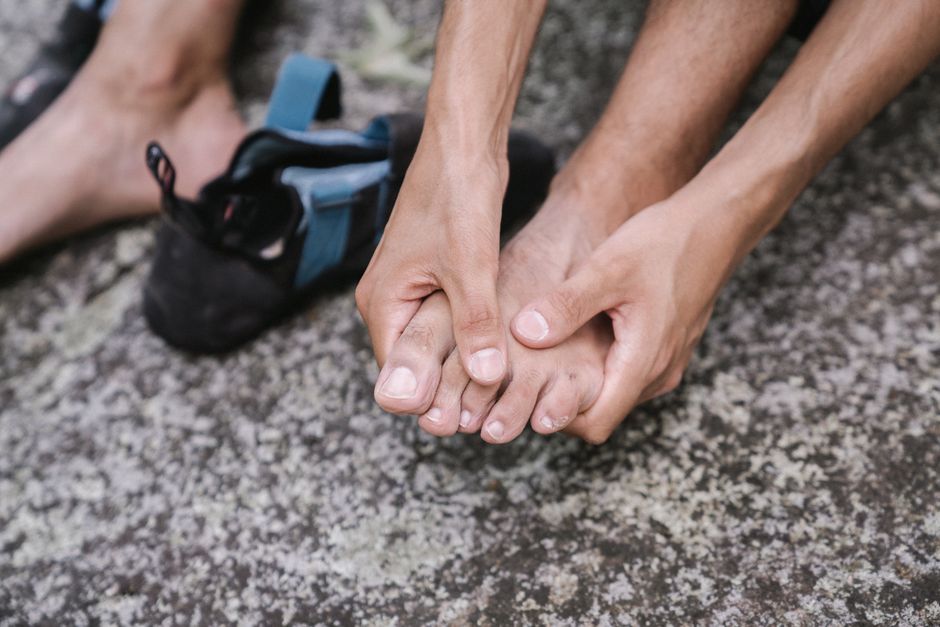
Tired feet at the end of the day are usually the result of ordinary load — hours of standing, long walks, tight shoes, or flat, hard floors — combined with the way your circulation, nerves, and muscles respond to that load. When fatigue in the feet shows up every day, lasts longer than it should, or comes with swelling, numbness, or pain, it can also point to a health issue such as poor circulation, nerve damage, thyroid problems, or iron deficiency. The feeling itself is common. The reason behind it is what matters.
What Causes Tired Feet From Daily Habits To Health Issues?
Most tired feet start with mechanical strain. Your feet carry your full body weight with every step, and the small muscles, tendons, and ligaments in the arch and toes work continuously to keep you balanced. Stand or walk for long stretches and those structures fatigue the same way any muscle does after repeated use.
Footwear makes this better or worse. Shoes with thin soles, no arch support, or a tight toe box force the foot into unnatural positions and increase the work required to walk. Hard surfaces like concrete add impact that softer ground would absorb. Cushioning and support reduce the load, which is why feet feel better after a shoe change for many people.
Beyond mechanics, several body systems affect how tired your feet feel:
- Circulation. Blood has to travel the longest distance in your body to reach your feet and return to the heart. Conditions that affect blood vessels or the heart can make that return trip less efficient, which shows up as heaviness and fatigue.
- Nerves. Nerve signals control sensation and muscle function in the feet. When nerves are irritated or damaged, feet can feel tired, numb, or burning.
- Fluid and swelling. Blood and fluid pool in the lower legs when you stand still for long periods. This adds weight and pressure to the feet.
- Metabolism and hormones. Thyroid function, blood sugar, and iron levels all influence how much energy your muscles have and how well your tissues are supplied with oxygen.
Daily habits and health conditions often overlap. Someone who stands all day at work and also has early nerve changes from diabetes may feel foot fatigue far sooner than either factor alone would cause.
Why Do My Feet Feel Tired Even When I Have Not Been Standing Much?
Foot fatigue without much standing usually means something other than simple overuse is involved. The most common explanations are footwear that does not fit properly, an underlying circulation or nerve issue, or a structural problem in the foot itself.
Shoes that are too small, too stiff, or worn down on one side can force your feet to work harder with every step, even on a short walk. An old pair of shoes that has lost its cushioning is a frequent culprit that people overlook.
Flat feet and high arches both change how weight distributes across the foot. With flat feet, the arch collapses and the muscles and ligaments along the inside of the foot stretch with each step. With very high arches, the foot is rigid and absorbs shock poorly. Either pattern can produce fatigue faster than a typical arch would.
Circulation problems are worth considering if fatigue comes with cold feet, color changes, or cramping in the calves when you walk. Nerve-related causes are more likely if you notice numbness, tingling, or a burning feeling. These patterns do not confirm a diagnosis on their own — a clinician can sort out which system is involved.
What Health Conditions Are Linked to Tired, Heavy Feet?
Several conditions are well known to cause foot fatigue as a symptom. The list below covers the ones most often seen in clinical practice.
Peripheral artery disease (PAD) narrows the arteries that supply the legs and feet. Reduced blood flow means less oxygen reaches the muscles, which can cause tiredness, cramping, or heaviness in the feet and calves, often worse with activity and better with rest.
Peripheral neuropathy affects the nerves in the feet. Diabetes is the most common cause in the United States, though other conditions and some medications can also damage peripheral nerves. Symptoms typically include numbness, tingling, burning, or a feeling that the feet are tired or “dead.”
Venous insufficiency happens when the veins in the legs cannot push blood back to the heart efficiently. Blood pools in the lower legs, causing swelling, heaviness, and fatigue that tends to worsen through the day and improve when you elevate your legs.
Hypothyroidism slows metabolism and can cause general fatigue along with muscle aches and swelling. Foot tiredness is not specific to thyroid problems, but it can be part of the overall picture.
Iron deficiency anemia reduces the oxygen-carrying capacity of the blood. Muscles, including those in the feet, tire more quickly when oxygen delivery is limited.
Diabetes can affect the feet through both nerve damage and poor circulation, and it is one of the most common health conditions linked to persistent foot symptoms.
Other possibilities include rheumatoid arthritis, gout, kidney disease, and vitamin deficiencies. A single symptom rarely points to one condition. Doctors look at the pattern, timing, and accompanying signs.





When Should Tired Feet Be Checked by a Doctor?
Occasional foot fatigue after a long day is normal. Persistent or worsening tiredness deserves a medical evaluation, especially when it comes with certain warning signs.
See a clinician if you notice any of the following:
- Numbness, tingling, or burning in the feet that does not go away
- Swelling that persists or affects only one foot
- Skin color changes — pale, blue, or unusually red feet
- Sores or wounds on the feet that are slow to heal
- Pain that wakes you at night or limits your walking
- Cramping in the calves or feet during activity that eases with rest
- Fatigue that has gotten worse over weeks or months
People with diabetes should have their feet checked at least once a year, and more often if a doctor recommends it. Diabetes can reduce sensation in the feet, which means small injuries can go unnoticed and become serious.
There is no single test for tired feet. A clinician typically starts with a physical exam, asks about your daily routine and medical history, and may order blood tests or circulation studies depending on what they find.
Can Everyday Habits Make Foot Fatigue Worse?
Yes. Several common habits increase the load on your feet or reduce their ability to recover.
Wearing the same worn-out shoes day after day is one of the most common. Cushioning breaks down over time, and a shoe that once supported your foot may no longer do so. Rotating between two pairs gives each pair time to decompress and reduces repetitive stress on the same spots.
Standing still for long periods is harder on the feet than walking. When you stand in one place, blood and fluid pool in the lower legs because the calf muscles are not contracting to help push blood back up. Shifting your weight, taking short walks, or using a footrest can help.
Being inactive most of the day and then doing a long walk or workout on the weekend is another pattern that leads to sore, tired feet. Building activity gradually gives the muscles and connective tissue time to adapt.
Other habits that matter:
- Wearing shoes with no support around the house for hours
- Ignoring foot pain and pushing through it
- Sitting with legs crossed or in one position for long stretches
- Not elevating the feet after a long day
- Skipping regular foot checks, especially if you have diabetes
What Helps Relieve Tired Feet?
Relief usually comes from reducing load and improving circulation. Elevating your feet above heart level for a short period helps fluid drain from the lower legs. Gentle movement, like walking or ankle circles, activates the calf muscles that help pump blood back toward the heart.
Supportive shoes with proper arch support and cushioning reduce the work your feet do with each step. For people who stand all day, cushioned insoles or anti-fatigue mats can make a difference, though the evidence on mats is limited and results vary.
A few habits that many clinicians suggest:
- Elevate your feet for 15 to 20 minutes after a long day
- Wear shoes that fit well and match the activity
- Take breaks from standing to walk briefly
- Keep feet clean, dry, and moisturized
- Check feet regularly for cuts, blisters, or color changes
If foot fatigue continues despite these changes, or if it comes with numbness, swelling, or pain, a medical evaluation is the right next step. Tired feet are common, but they are not something you have to accept as permanent.
Frequently Asked Questions
What does it mean if my feet are tired all the time?
Constant foot fatigue can point to circulation problems, nerve damage, or a structural issue in the foot, especially if it comes with numbness, swelling, or pain. A doctor can help identify the cause through an exam and simple tests.
Can vitamin deficiency cause tired feet?
Yes. Iron deficiency anemia and vitamin B12 deficiency can both reduce oxygen delivery or nerve function, which may cause foot fatigue and tingling. Blood tests can confirm whether a deficiency is present.
Is tired feet a sign of diabetes?
It can be. Diabetes often causes nerve damage and poor circulation in the feet, which may show up as tiredness, numbness, or burning. Anyone with these symptoms and risk factors for diabetes should be evaluated.
How can I stop my feet from getting tired every day?
Wear supportive shoes, take breaks from standing, elevate your feet after long days, and build activity gradually rather than in bursts. If fatigue continues despite these changes, see a doctor to rule out an underlying condition.
