
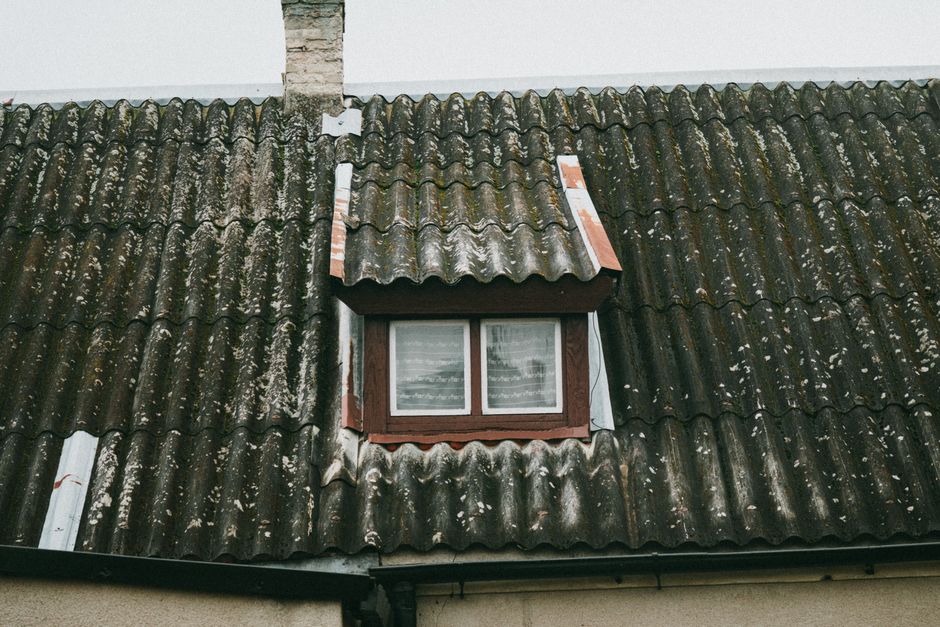
Asbestos is a group of naturally occurring mineral fibers known for their heat resistance and durability. When these microscopic fibers are inhaled, they can become lodged in lung tissue and cause serious diseases like mesothelioma, lung cancer, and asbestosis. Understanding the types of asbestos, where it hides, and how exposure happens is the first step in protecting yourself and your family.
What Is Asbestos and Why Was It Used So Widely?
Asbestos is not a single mineral. It is a category of six different fibrous silicate minerals that occur naturally in the earth. These fibers are strong, flexible, and resistant to heat, fire, and many chemicals. They also do not conduct electricity.
Those properties made asbestos incredibly attractive to manufacturers. For most of the 20th century, it was used in thousands of products. Builders put it in insulation, roofing, flooring, and cement. Automakers used it in brake pads and clutches. Shipbuilders used it heavily for fireproofing. Even household items like hair dryers and ironing board covers contained asbestos at one point.
The problem is not the material itself when it is intact. The danger starts when asbestos-containing materials are damaged, disturbed, or deteriorated. Then the fibers can become airborne and easily inhaled.
What Are the Main Types of Asbestos?
There are six regulated types of asbestos, but they fall into two mineral families. The first family is serpentine asbestos, which has curly, flexible fibers. The second is amphibole asbestos, which has straight, needle-like fibers that are more hazardous when inhaled.
Chrysotile is the only serpentine asbestos and accounts for about 90-95% of all asbestos used commercially in the United States. It was the primary type used in building materials, brake linings, and roof coatings. Its curly fibers are easier to expel from the lungs than straight fibers, but it is still a confirmed human carcinogen.
The amphibole family includes five types:
- Amosite — often called “brown asbestos,” commonly found in cement sheets and pipe insulation.
- Crocidolite — known as “blue asbestos,” considered the most dangerous type due to its extremely fine, sharp fibers.
- Tremolite — not often used commercially but can contaminate other minerals like talc and vermiculite.
- Actinolite — rarely used alone but can appear as a contaminant in other products.
- Anthophyllite — used occasionally in some insulation products and also found as a contaminant.
All six types are classified as known human carcinogens by major health authorities worldwide.
What Health Risks Are Linked to Asbestos Exposure?
The health risks from asbestos are serious and can take decades to appear. The latency period — the time between exposure and disease onset — is typically 10 to 40 years. This long delay is why many people are diagnosed years after their last known exposure.
Asbestosis is a chronic lung disease caused by inhaling asbestos fibers. The fibers cause scarring of lung tissue, which makes breathing progressively difficult. It is not a cancer, but it is a serious and irreversible condition. Symptoms include shortness of breath, a persistent dry cough, and chest tightness.
Lung cancer is the most common cancer caused by asbestos exposure. The risk is significantly higher in people who smoke. Some research suggests the combination of smoking and asbestos exposure increases lung cancer risk far more than either factor alone.
Mesothelioma is a rare and aggressive cancer that develops in the lining of the lungs, abdomen, or heart. It is almost exclusively caused by asbestos exposure. Even brief or low-level exposure can lead to mesothelioma, though the risk increases with higher and longer exposure.
Other cancers linked to asbestos include cancers of the larynx, ovary, and possibly the pharynx, stomach, and colorectum, though the evidence is stronger for some than others.





How Does Asbestos Exposure Actually Happen?
Asbestos exposure happens when fibers are released into the air and inhaled. The fibers are so small — often invisible to the naked eye — that they can remain suspended in the air for hours. Once inhaled, they can bypass the body’s natural defense mechanisms and reach the deepest parts of the lungs.
The most common exposure route is occupational. Workers in construction, shipbuilding, automotive repair, demolition, and manufacturing faced the highest risks historically. Today, the biggest risk is to renovation and demolition workers who disturb old building materials without knowing they contain asbestos.
Secondhand exposure is also real. Family members of asbestos workers sometimes developed asbestos-related diseases from fibers carried home on work clothes, hair, or skin. This is sometimes called para-occupational or take-home exposure.
Environmental exposure can also occur. Natural asbestos deposits in certain geographic areas can release fibers into the air. Contaminated vermiculite insulation from a specific mine in Libby, Montana, caused widespread exposure in that community and beyond.
Where Is Asbestos Found in Homes Today?
Homes built before 1980 are the most likely to contain asbestos. The material was used so broadly that it can appear in many unexpected places. Knowing where it hides helps you avoid accidental disturbance.
Common locations include:
- Insulation around pipes, boilers, and heating ducts
- Popcorn ceiling texture applied before the 1980s
- Floor tiles, vinyl sheet flooring, and the backing or adhesive beneath them
- Roofing shingles and siding
- Textured paint and patching compounds
- Old window putty and caulking
- Heat-resistant fabrics like fire blankets and oven mitts
- Brake pads and clutch plates in older vehicles
If these materials are in good condition and undisturbed, they generally pose little risk. The fibers are bound within the material and are not being released into the air. The danger arises when the material is cut, sanded, drilled, broken, or otherwise damaged.
How Can You Test for Asbestos and What Should You Do If Found?
You cannot tell if a material contains asbestos just by looking at it. The only reliable way to know is through laboratory testing. If you suspect a material in your home contains asbestos, do not touch or disturb it.
Hire a certified asbestos inspector to take samples and send them to an accredited laboratory. Inspectors are trained to collect samples safely and know where to look. If you attempt to take a sample yourself, you risk releasing fibers into the air.
If asbestos is confirmed, your options depend on the condition of the material. If it is intact and not likely to be disturbed, leaving it alone is often the safest and most practical approach. Encapsulation — coating the material with a sealant — can also prevent fiber release.
Removal is the most invasive option and should only be performed by licensed asbestos abatement contractors. Professional removal is expensive but necessary when materials are damaged, crumbling, or will be disturbed during renovation or demolition.
Never attempt to remove asbestos yourself. Improper removal can contaminate your entire home and put everyone in the household at risk. The dust created during removal is the most dangerous part of the entire process.
What Should You Do If You Have Been Exposed?
If you believe you have been exposed to asbestos, the first step is to stop the exposure. Leave the area, close off the space if possible, and avoid tracking dust to other parts of the home.
Do not panic. A single brief exposure does not mean you will develop an asbestos-related disease. The risk is cumulative and dose-dependent, meaning higher and longer exposures carry greater risk. Many people with past exposure never develop health problems.
However, you should inform your doctor about the exposure. There are no medical tests that can detect asbestos fibers in the body for the purpose of predicting disease. But knowing your exposure history helps your doctor interpret future symptoms and screening results more accurately.
If you have a history of significant occupational exposure, some clinicians recommend periodic chest imaging and lung function tests. The evidence for routine screening in people without symptoms is limited, but a doctor familiar with your history can help determine what monitoring, if any, is appropriate.
Frequently Asked Questions
How long after asbestos exposure do symptoms appear?
Diseases like asbestosis, lung cancer, and mesothelioma typically develop 10 to 40 years after the first exposure. This long latency period is why symptoms often appear decades after the exposure ended.
Can one-time asbestos exposure cause mesothelioma?
Yes, even brief exposure has been linked to mesothelioma, though the risk is much lower than with prolonged exposure. The disease is rare, and most cases occur after repeated or high-level exposure over many years.
Is it safe to live in a house with asbestos?
Yes, if the asbestos-containing materials are intact and undisturbed. The fibers are only dangerous when released into the air, so undamaged materials generally pose no immediate risk.
How much does asbestos removal cost?
Costs vary widely depending on the amount of material, its location, and local regulations. Professional removal can range from a few hundred to several thousand dollars, and it should only be done by licensed abatement contractors.
