
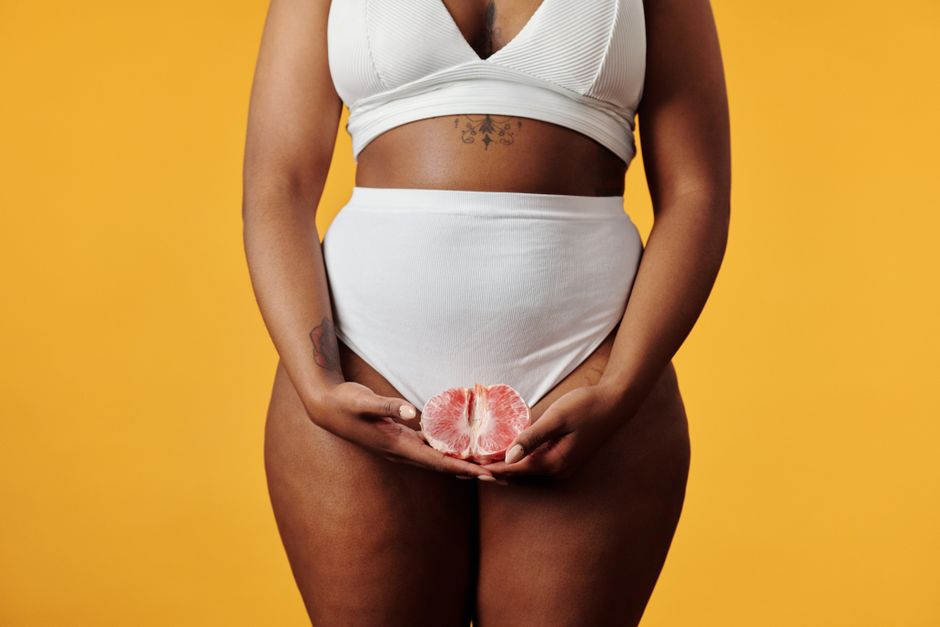
Labia minora come in a wide range of shapes and sizes, and enlargement is usually a normal variation rather than a sign of disease. The most common drivers are genetics and natural hormone changes, especially during puberty and pregnancy. True medical causes — cysts, hormone disorders, or rare conditions — are far less common than most people assume.
Many people search for this because they have noticed a change and want to know if something is wrong. Often nothing is. But knowing what actually causes the labia minora to enlarge helps you tell normal variation apart from something that deserves a doctor’s attention.
What Causes The Labia Minora To Be Enlarged?
Genetics and hormones explain the great majority of cases. The labia minora are hormone-sensitive tissue, and their size is largely set by your genetic blueprint and influenced by the hormonal shifts of puberty and pregnancy.
During puberty, rising estrogen causes the labia minora to grow and thicken. This is a normal part of sexual development. The final size varies enormously from person to person, and there is no single “correct” size.
Pregnancy is another common trigger. Increased blood flow and higher levels of estrogen and progesterone can cause the labia minora to swell or enlarge temporarily. Some of this change resolves after childbirth. Some does not. Both outcomes are normal.
Weight changes and aging can also affect appearance. As estrogen levels decline after menopause, the labia minora may actually become thinner and flatter rather than larger, though this varies. The tissue loses some of its fullness over time.
What is not a cause: sexual activity, masturbation, wearing tight underwear, or riding a bike. These are persistent myths. No evidence supports the idea that friction or sexual behavior permanently enlarges the labia minora.
What Is the Normal Range for Labia Minora Size?
There is no standard size, and that is the most important thing to understand. Research on genital anatomy has consistently found a wide range of normal variation among people who have no symptoms and no medical concerns.
Studies that measured labia minora length and width in adult women found a broad spread — some measuring just a few millimeters in width, others several centimeters. Both ends of that range were found in people reporting no problems. This matters because many people worry they are “abnormal” based on comparison alone.
The labia minora may also be asymmetric. One side is often longer or thicker than the other. This is common and not a sign of a problem.
What makes a size clinically relevant is not a number. It is whether the tissue causes pain, interferes with daily activity, makes hygiene difficult, or causes distress that affects your quality of life. Those are the factors clinicians actually consider.
Can Hormonal Changes Cause Enlargement?
Yes. Hormones are one of the clearest drivers of labia minora size and appearance. The tissue responds to estrogen in particular.
Puberty is the most significant hormonal event for this tissue. Before puberty, the labia minora are relatively thin and small. As estrogen rises, they grow. This process happens on its own timeline for each person and is not something you can control or influence.
Pregnancy causes changes through a combination of increased blood flow and elevated hormone levels. The labia minora and labia majora often appear fuller and darker during pregnancy. Much of this is temporary. Some changes may persist after delivery.
Certain hormonal conditions can also affect the external genitalia, though these are uncommon. Conditions that cause excess androgen production, such as polycystic ovary syndrome, are sometimes associated with changes in genital tissue, but the relationship is not straightforward and is not a primary feature of the condition.
If you notice enlargement alongside other symptoms — unusual hair growth, voice changes, irregular periods, or rapid changes over a short period — that combination is worth discussing with a doctor. The genital change alone is rarely the whole picture.





When Is Enlargement a Medical Problem Rather Than a Variation?
A medical cause is present when the enlargement comes with symptoms that do not fit normal variation. The tissue itself is not the issue — what it is doing is.
Signs that warrant a medical evaluation include:
- A new lump, bump, or swelling that was not there before
- Pain, tenderness, or a feeling of pressure in the area
- Redness, warmth, or swelling that appeared quickly
- Discharge, bleeding, or an open sore
- Rapid enlargement over days or weeks rather than years
- Difficulty urinating, sitting, or walking because of the tissue
These symptoms can point to a cyst, an infection, a hematoma, or another treatable condition. A Bartholin gland cyst, for example, forms near the vaginal opening and can cause one-sided swelling. It is not the same as labia minora enlargement, but people sometimes confuse the two.
Rarely, a mass in this area can be something more serious. This is uncommon, but it is one reason a new, firm, or rapidly growing lump should always be checked rather than watched at home.
What About Labial Hypertrophy?
Labial hypertrophy is the medical term for labia minora that are larger than average. It is a description, not a disease. Many clinicians now avoid the term entirely because it frames a normal variation as a disorder.
The diagnosis is generally made when the tissue causes physical symptoms — such as irritation during exercise, discomfort with certain clothing, or difficulty with hygiene — or when a person experiences significant distress about the appearance.
It is worth being clear about something: the existence of a medical label does not mean the tissue is abnormal. It means the size is at the larger end of the range and is causing a problem for that individual. Two people with identical anatomy might have very different experiences.
There is no evidence that labial hypertrophy causes health problems on its own. It does not increase cancer risk. It does not affect fertility. It does not affect sexual function in any predictable way.
Does Enlargement Affect Health or Function?
For most people, no. Larger labia minora do not affect fertility, menstrual cycles, urination, or sexual function in any consistent way. The tissue has no role in reproduction.
When symptoms do occur, they tend to be mechanical rather than medical. The tissue may rub against clothing, cause chafing during exercise, or make certain activities uncomfortable. Some people find it harder to keep the area dry and clean. These are practical issues, not signs of underlying disease.
Some people report discomfort during sex, but this is highly individual. It depends on the specific anatomy, the activity, and many other factors. It is not a predictable consequence of size.
The psychological impact can be more significant than any physical symptom. Distress about appearance is a real concern and a legitimate reason to talk to a doctor. It is also a common one — many people who seek medical advice about labia minora size are primarily bothered by how it looks, not by pain or dysfunction.
What Does Not Cause Enlargement
Several popular beliefs about labia minora size have no scientific support. It is worth addressing them directly because they cause unnecessary worry.
Sexual activity does not stretch or enlarge the labia minora. The tissue is not like a muscle that grows with use. Frequency of sex, number of partners, and type of activity have no established effect on labia minora size.
Masturbation does not cause enlargement. This is a myth with no evidence behind it.
Tight clothing, bike riding, and horseback riding do not permanently change the tissue. They may cause temporary irritation or friction, but not lasting growth.
Weight gain does not specifically enlarge the labia minora, though it can change the appearance of the entire genital area by adding fat to the labia majora and mons pubis.
Aging does not reliably enlarge the labia minora either. In fact, declining estrogen after menopause often causes the tissue to become thinner and less full.
Frequently Asked Questions
Is it normal for labia minora to be large?
Yes. Labia minora vary widely in size, and larger ones are a normal variation, not a disorder. What matters clinically is whether they cause pain, interfere with daily activities, or cause significant distress — not the size itself.
Can labia minora get bigger with age?
They typically do not enlarge with age. After menopause, declining estrogen usually causes the tissue to become thinner and flatter rather than larger, though individual experiences vary.
Does sex or masturbation cause labia minora to enlarge?
No. There is no evidence that sexual activity or masturbation permanently changes the size of the labia minora. This is a common myth, not a documented effect.
When should I see a doctor about enlarged labia minora?
See a doctor if you notice a new lump, pain, rapid swelling, discharge, bleeding, or difficulty with urination or daily activities. Gradual size that has been stable for years and causes no symptoms generally does not require medical attention.
