
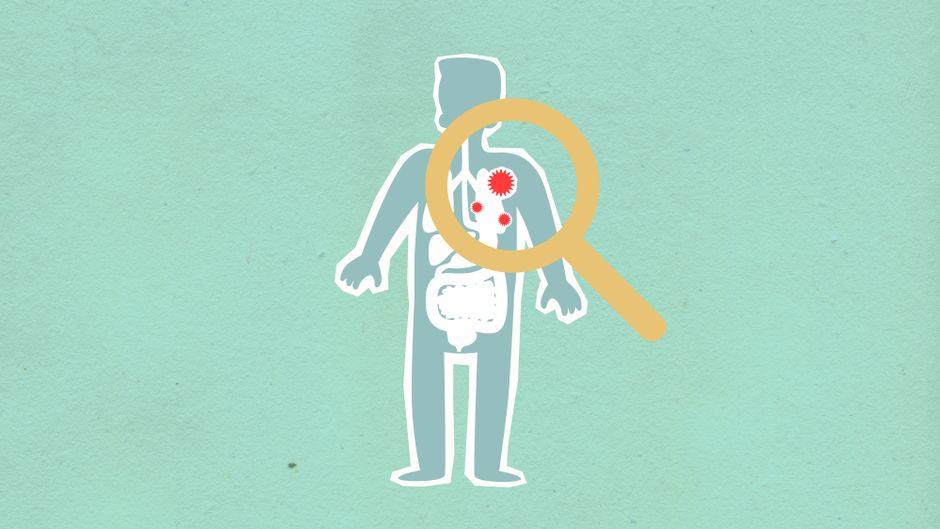
Group B Streptococcus (GBS) is a common bacterium that lives naturally in the human body, and it is not something people “catch” from poor hygiene or a contaminated environment. The main cause of GBS presence is simple colonization: the bacteria take up residence in the gastrointestinal tract and can also be found in the vagina or rectum of roughly 1 in 4 healthy adult women. It is not a sexually transmitted infection, and it does not come from food, water, or surfaces. Most people who carry it never know it and never get sick from it.
What Is Group B Streptococcus?
Group B Streptococcus is a type of bacteria scientifically named Streptococcus agalactiae. It is different from Group A Streptococcus, the bacteria behind strep throat and some skin infections. GBS is a normal part of the digestive tract flora in many people.
The bacteria can also colonize the vagina and rectum. This is called “colonization” rather than infection. Colonization means the bacteria are present and living on or in the body without causing harm or symptoms. A person who is colonized is called a carrier.
GBS is not the same as Group A strep, and it is not the same as the bacteria that cause strep throat. This distinction matters because the two require completely different clinical approaches.
How Do People Get Group B Streptococcus?
GBS is not transmitted in the way most people think of when they hear “bacterial infection.” You do not get it from touching a doorknob, breathing airborne droplets, or eating contaminated food.
The bacteria are acquired through close contact with colonized body sites. In adults, GBS primarily lives in the gut. From there, it can spread to the genital or rectal area. This is a normal process and does not indicate anything wrong.
Newborns can acquire GBS during childbirth if the mother is colonized. The baby may come into contact with the bacteria while passing through the birth canal. This is the most well-known route of transmission, and it is why pregnant women are routinely screened for GBS in many countries.
Adults generally do not transmit GBS to other adults through casual contact. Sexual transmission is possible but not the primary route, and GBS is not classified as a sexually transmitted infection.
What Causes Streptococcus B Colonization in the Body?
The short answer is that GBS colonization happens naturally and for reasons that are not fully understood. Some people carry it, and some do not. The bacteria simply find a suitable environment in the digestive tract.
Several factors are associated with higher rates of GBS colonization:
- Being female — colonization in the vagina or rectum is more common in women
- Pregnancy — hormonal and physical changes may affect colonization rates
- Age — colonization is more common in adults than in children
- Geographic region — rates vary around the world
These are associations, not causes. No specific behavior or lifestyle choice has been shown to reliably cause or prevent GBS colonization. This is a key point that is often misunderstood.




Is Group B Streptococcus an Infection or Just a Carrier State?
This is one of the most important distinctions in understanding GBS. Being colonized is not the same as being infected.
Colonization means the bacteria are present but cause no symptoms and no harm. Most GBS carriers fall into this category. They have no idea they carry it unless they are tested.
Infection means the bacteria have moved into a part of the body where they should not be, or they have multiplied enough to cause symptoms. This is much less common.
In adults, GBS can occasionally cause infections such as urinary tract infections, bloodstream infections, or skin infections. These are more likely in people with weakened immune systems, diabetes, or other underlying health conditions. In most healthy adults, colonization never progresses to infection.
In newborns, GBS can cause serious infections including pneumonia, meningitis, and sepsis. This is why prevention efforts focus heavily on pregnancy and birth.
Why Is Group B Streptococcus a Concern During Pregnancy?
GBS is a concern during pregnancy because of the small but real risk of passing the bacteria to the newborn during delivery. A newborn’s immune system is not fully developed, making it harder for the baby to fight off certain infections.
When a baby is exposed to GBS during birth, most will not become ill. A small percentage will develop what is called early-onset GBS disease, which typically appears within the first week of life. Late-onset GBS disease can occur from one week to several months after birth, and the source is not always clear.
Because of this risk, many countries recommend routine screening for GBS in pregnant women, usually between 36 and 37 weeks of gestation. The screening involves a simple swab of the vagina and rectum. If the test is positive, intravenous antibiotics are typically offered during labor to reduce the risk of transmission to the baby.
This approach has significantly reduced the rate of early-onset GBS disease in countries where it is standard practice. The evidence for this is strong and consistent.
Can You Prevent Group B Streptococcus?
There is no proven way to prevent GBS colonization. No diet, supplement, hygiene practice, or lifestyle change has been shown in clinical trials to reliably clear GBS from the body or prevent someone from becoming colonized.
Some clinicians recommend probiotics or vaginal health products, but the evidence for these approaches is limited. No large human trials have confirmed that probiotics eliminate GBS colonization or reduce transmission to newborns. Anyone considering such products should discuss them with a healthcare provider rather than assuming they work.
Antibiotics can temporarily clear GBS, but recolonization is common. Routine antibiotic treatment of GBS carriers outside of labor is not recommended because it does not reliably prevent infection and contributes to antibiotic resistance.
The most effective prevention strategy currently available is screening during pregnancy and administering antibiotics during labor when indicated. This is an established clinical practice supported by substantial evidence.
What Does Not Cause Group B Streptococcus?
Several myths about GBS causes circulate online and in casual conversation. Here is what the evidence actually shows:
- Poor hygiene does not cause GBS. The bacteria are not acquired through uncleanliness.
- Sexual activity is not the primary cause. GBS is not classified as a sexually transmitted infection.
- Food and water do not transmit GBS. It is not a foodborne illness.
- Stress does not cause GBS. No evidence supports a link between stress and colonization.
- Antibiotics do not cause GBS. They may disrupt normal flora, but they do not create GBS.
Understanding what does not cause GBS matters because misinformation can lead to unnecessary worry or ineffective attempts at prevention.
How Is Group B Streptococcus Diagnosed?
GBS is diagnosed through laboratory testing. In pregnancy, the standard test involves swabbing the lower vagina and rectum. The sample is then cultured in a lab to see if GBS bacteria grow.
Newer rapid tests can detect GBS faster, sometimes within hours. These are increasingly used in some clinical settings, particularly when a woman arrives in labor without a documented GBS test result.
For non-pregnant adults, GBS is diagnosed when it is found in a sample from a normally sterile site, such as blood or urine, alongside symptoms of infection. Finding GBS on a skin swab or in the vagina without symptoms is considered colonization, not infection, and does not require treatment.
Testing is not routinely recommended for non-pregnant adults because colonization is common and usually harmless.
What Should You Do If You Test Positive for GBS?
If you test positive for GBS during pregnancy, the standard next step is to receive intravenous antibiotics during labor. Penicillin is the preferred antibiotic when there is no allergy. For women with a penicillin allergy, alternative antibiotics are available.
A positive GBS test does not mean a cesarean delivery is needed. It does not mean the baby will definitely get sick. It means extra precautions during labor can reduce an already small risk.
If you are not pregnant and test positive for GBS without symptoms, no treatment is typically needed. If you have symptoms of an infection, your healthcare provider will determine whether antibiotics are appropriate.
It is reasonable to ask your provider questions about what a positive result means for your specific situation. GBS management is well-established in pregnancy, and the guidelines are clear.
Frequently Asked Questions
Is Group B Streptococcus contagious?
GBS is not contagious in the way that a cold or flu is. It is not spread through casual contact, airborne droplets, or contaminated surfaces.
Can Group B Streptococcus go away on its own?
GBS colonization can come and go naturally over time. Some people clear it without treatment, but recolonization is also common.
How did I get Group B Streptococcus if I am not pregnant?
GBS is a normal part of the digestive tract in many adults and is not caused by any specific behavior. Most carriers have no symptoms and never develop an infection.
Does Group B Streptococcus mean my baby will be sick?
Most babies exposed to GBS during birth do not become ill. Screening and antibiotics during labor reduce the risk of early-onset GBS disease significantly.
